
Life is full of ups and downs, and sometimes people experience moments of misfortune, disappointment, or unexpected failure. In such situations, writers often use similes for unfortunate to express emotions more clearly and vividly. Similes are an important part of figurative language because they compare one thing to another using the words “like” or “as,” making abstract feelings easier to understand.
They help readers connect emotionally with difficult situations by creating strong mental images. Just as trees symbolize strength, growth, resilience, wisdom, and human emotion in nature similes, even unfortunate moments can represent lessons, endurance, and personal growth.
Similes in literature are often used to describe hardship in a relatable and meaningful way. They make writing more expressive, emotional, and impactful. In this article, you will explore creative similes for unfortunate, along with meanings, examples, and practical writing tips.
What Is a Simile?
A simile is a figure of speech that compares two different things using the words “like” or “as.” It helps readers understand emotions and ideas through vivid comparisons.
Example:
His luck was as unfortunate as a broken compass in the middle of a storm.
As Unfortunate as a Broken Compass in a Storm
Meaning
Describes complete loss of direction and control in life situations.
Usage Insight
Best used when expressing confusion mixed with bad luck.
Example Sentences
- His journey felt as unfortunate as a broken compass in a storm.
- The decision turned out as unfortunate as a broken compass in a storm.
Like a Tree Struck by Lightning
Meaning
Represents sudden misfortune or unexpected disaster.
Usage Insight
Ideal for dramatic and emotional storytelling.
Example Sentences
- The project ended like a tree struck by lightning.
- His dreams collapsed like a tree struck by lightning.
As Unlucky as a Rain Cloud Over a Picnic
Meaning
Describes repeated bad luck ruining good moments.
Usage Insight
Perfect for light but emotional writing.
Example Sentences
- She felt as unlucky as a rain cloud over a picnic.
- The trip turned as unlucky as a rain cloud over a picnic.
Like a Bird Flying into a Closed Window
Meaning
Represents failure despite effort.
Usage Insight
Useful for expressing frustration or setbacks.
Example Sentences
- His attempt felt like a bird flying into a closed window.
- The plan crashed like a bird flying into a closed window.
As Miserable as a Winter Without Sunlight
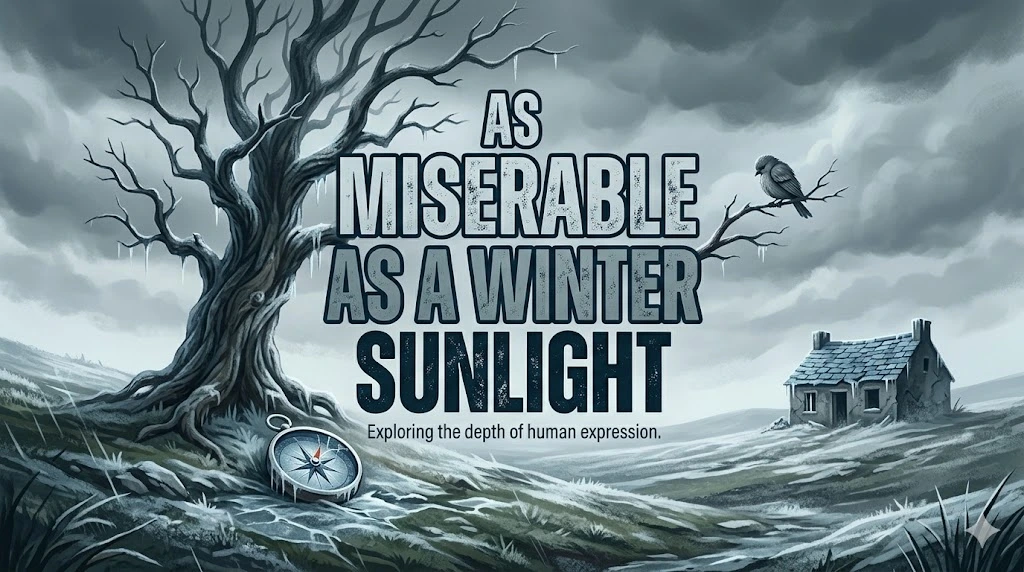
Meaning
Describes prolonged sadness and lack of hope.
Usage Insight
Great for emotional and reflective writing.
Example Sentences
- Her days were as miserable as a winter without sunlight.
- The situation felt as miserable as a winter without sunlight.
Like a Boat Lost in Foggy Waters
Meaning
Represents confusion combined with misfortune.
Usage Insight
Ideal for uncertain life situations.
Example Sentences
- He felt like a boat lost in foggy waters.
- The company moved like a boat lost in foggy waters.
As Unfortunate as a Flower in a Storm
Meaning
Describes vulnerability facing harsh conditions.
Usage Insight
Works well in poetic writing.
Example Sentences
- Her hope was as unfortunate as a flower in a storm.
- The young athlete felt as unfortunate as a flower in a storm.
Like a Candle Burning in Heavy Wind
Meaning
Represents weak chances of success under pressure.
Usage Insight
Useful for describing fragile situations.
Example Sentences
- His confidence faded like a candle burning in heavy wind.
- The project survived like a candle burning in heavy wind.
As Unlucky as a Coin Landing on Its Edge
Meaning
Describes extremely rare and bad outcomes.
Usage Insight
Great for emphasizing unpredictability.
Example Sentences
- Her timing was as unlucky as a coin landing on its edge.
- The outcome felt as unlucky as a coin landing on its edge.
Like a Bridge Collapsing Midway
Meaning
Represents sudden failure or breakdown.
Usage Insight
Perfect for dramatic events or plans failing.
Example Sentences
- Their partnership ended like a bridge collapsing midway.
- The deal fell apart like a bridge collapsing midway.
As Hopeless as a Desert Without Rain
Meaning
Describes extreme lack of success or relief.
Usage Insight
Useful in emotional or serious writing.
Example Sentences
- His efforts felt as hopeless as a desert without rain.
- The situation was as hopeless as a desert without rain.
Like a Star Lost in a Cloudy Sky
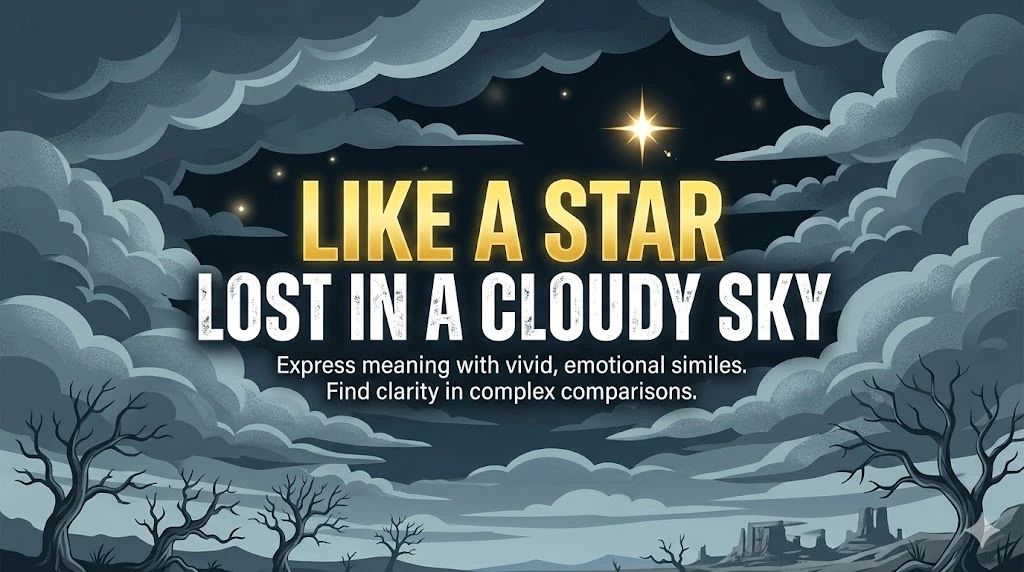
Meaning
Represents lost potential or hidden success.
Usage Insight
Ideal for reflective or poetic descriptions.
Example Sentences
- Her talent felt like a star lost in a cloudy sky.
- His dreams seemed like a star lost in a cloudy sky.
As Unfortunate as a Map Without Directions
Meaning
Describes confusion with no guidance.
Usage Insight
Best for describing unclear situations.
Example Sentences
- The instructions were as unfortunate as a map without directions.
- The plan looked as unfortunate as a map without directions.
Like a Garden Overrun by Weeds
Meaning
Represents decline and lack of success.
Usage Insight
Useful for negative growth or failure themes.
Example Sentences
- His business became like a garden overrun by weeds.
- The project turned like a garden overrun by weeds.
As Sad as Rain Falling on a Ruined House
Meaning
Describes deep emotional loss and misfortune.
Usage Insight
Perfect for strong emotional writing.
Example Sentences
- Her expression was as sad as rain falling on a ruined house.
- The memory felt as sad as rain falling on a ruined house.
Like a Clock That Has Stopped Ticking
Meaning
Represents stagnation and loss of progress.
Usage Insight
Ideal for describing halted progress or failure.
Example Sentences
- His motivation felt like a clock that has stopped ticking.
- The project ended like a clock that has stopped ticking.
How to Use Similes Effectively in Writing
Similes can turn simple descriptions into powerful emotional expressions. poetry, they create deep imagery and mood. In stories, they help readers understand characters’ struggles and feelings. In essays, similes clarify abstract ideas through relatable comparisons. Songwriters use similes to create emotional impact in lyrics. When writing about misfortune or hardship, choose comparisons that match the tone of your message. Avoid overusing similes in one paragraph to keep writing natural and strong. The best similes are simple, clear, and emotionally meaningful.
FAQs About Similes for Unfortunate
What are similes for unfortunate?
Similes for unfortunate are comparisons using “like” or “as” to describe bad luck, failure, or difficult situations.
What is the difference between a simile and a metaphor?
A simile uses “like” or “as” to compare two things, while a metaphor directly states one thing is another.
Why are similes useful in describing misfortune?
They help readers understand emotional struggles through clear and vivid imagery.
Can similes for unfortunate be used in academic writing?
Yes, they can make explanations clearer and more engaging when used appropriately.
How do similes improve creative writing?
They add emotional depth, clarity, and powerful imagery that makes writing more memorable.
Conclusion
Similes for unfortunate are powerful tools in figurative language that help writers express hardship, loss, and disappointment in meaningful and relatable ways. They transform abstract emotions into vivid images that readers can easily understand and feel. Whether used in poetry, storytelling, essays, or reflective writing, these similes bring clarity, emotional depth, and creativity. Like strong examples of similes in literature and nature similes, they help connect human experience with expressive language. By mastering these comparisons, writers can turn even difficult themes into impactful and engaging writing.