
The ocean has inspired writers, poets, and storytellers for centuries with its beauty, mystery, and endless energy. One of the best ways to describe the ocean is through similes, which create vivid comparisons that help readers visualize and feel what is being described. Similes are an important part of figurative language because they make writing more engaging, expressive, and memorable.
Whether you are writing poetry, fiction, essays, or songs, similes can transform simple descriptions into powerful imagery. They allow readers to connect emotionally with the scene and imagine it more clearly. Nature often provides the richest inspiration for similes because natural elements reflect human emotions and experiences.
Trees, for example, are powerful symbols of strength, growth, resilience, wisdom, and human emotion, making them a frequent source of literary comparisons. In this guide, you will discover creative similes for the ocean, along with meanings, usage tips, and examples that can enrich your writing.
What Is a Simile?
A simile is a figure of speech that compares two different things using the words “like” or “as.” These comparisons help readers understand ideas more vividly by connecting them to familiar images.
Example:
The ocean shimmered like a field of scattered diamonds beneath the sun.
This simile helps readers picture the sparkling surface of the water in a memorable way.
As Endless as the Ocean Meeting the Horizon
Meaning
Describes something that seems limitless or infinite.
Usage Insight
Perfect for expressing vastness, dreams, possibilities, or time.
Example Sentences
- Her imagination was as endless as the ocean meeting the horizon.
- The opportunities ahead seemed as endless as the sea itself.
Like a Mirror Reflecting the Sky
Meaning
Represents calmness, beauty, and reflection.
Usage Insight
Works best when describing peaceful ocean scenes.
Example Sentences
- The water lay like a mirror reflecting the sky.
- At dawn, the bay looked like polished glass beneath the clouds.
As Powerful as Ocean Waves During a Storm
Meaning
Suggests tremendous strength and force.
Usage Insight
Useful when describing emotions, events, or people with great impact.
Example Sentences
- His determination was as powerful as ocean waves during a storm.
- The crowd’s reaction hit her with the force of crashing surf.
Like a Giant Breathing in Rhythm
Meaning
Describes the steady movement of waves.
Usage Insight
Excellent for creating vivid sensory imagery.
Example Sentences
- The ocean sounded like a giant breathing in rhythm.
- The tide moved in and out like a sleeping creature.
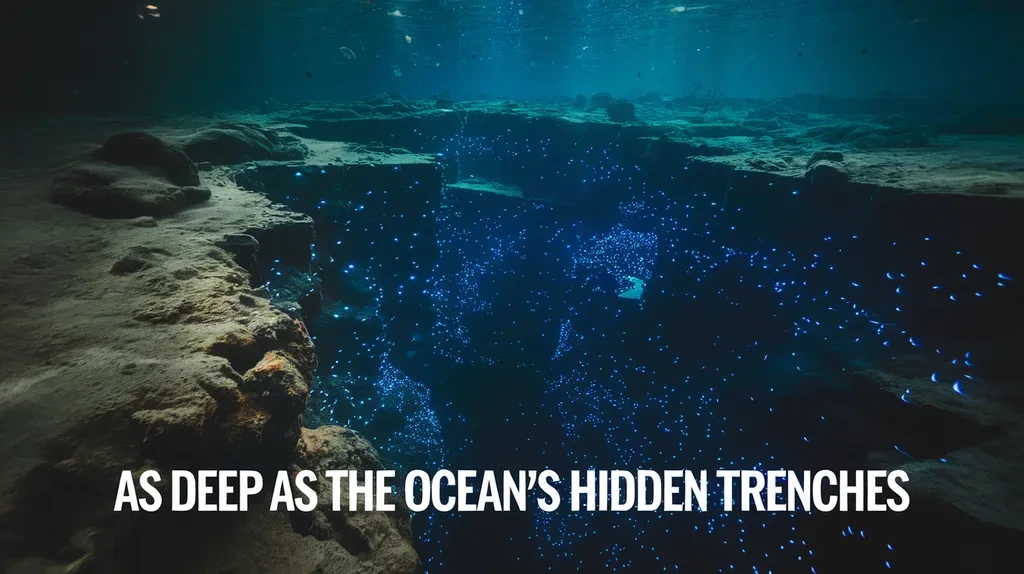
As Deep as the Ocean’s Hidden Trenches
Meaning
Represents profound thoughts, emotions, or mysteries.
Usage Insight
Ideal for emotional and reflective writing.
Example Sentences
- Her wisdom was as deep as the ocean’s hidden trenches.
- The mystery surrounding the island felt endlessly deep.
Like a Blanket of Sapphire Stretching Forever
Meaning
Highlights the ocean’s beauty and color.
Usage Insight
Perfect for descriptive travel and nature writing.
Example Sentences
- The sea looked like a blanket of sapphire stretching forever.
- From the cliff, the water appeared endlessly blue and serene.
As Restless as the Tides
Meaning
Describes constant movement or change.
Usage Insight
Useful when portraying uncertainty or energy.
Example Sentences
- His thoughts were as restless as the tides.
- The city felt alive and shifting like the sea.
Like a Symphony of Crashing Waves
Meaning
Represents the natural music of the ocean.
Usage Insight
Works well in poetic and sensory descriptions.
Example Sentences
- The shoreline echoed like a symphony of crashing waves.
- We fell asleep to the ocean’s endless music.
As Mysterious as the Ocean at Midnight
Meaning
Suggests secrecy, wonder, and the unknown.
Usage Insight
Ideal for suspenseful or imaginative writing.
Example Sentences
- Her expression was as mysterious as the ocean at midnight.
- The distant island seemed wrapped in mystery.
Like Liquid Silver Beneath the Moon
Meaning
Describes moonlight shimmering on water.
Usage Insight
Perfect for romantic and atmospheric scenes.
Example Sentences
- The sea glowed like liquid silver beneath the moon.
- Moonlight transformed the bay into a shining masterpiece.
As Free as a Wave Riding the Wind
Meaning
Represents freedom and independence.
Usage Insight
Excellent for inspirational writing.
Example Sentences
- She felt as free as a wave riding the wind.
- His adventurous spirit carried him wherever life called.
Like a Treasure Chest Full of Secrets

Meaning
Highlights the ocean’s hidden wonders.
Usage Insight
Useful for educational, creative, and literary writing.
Example Sentences
- The ocean is like a treasure chest full of secrets.
- Every dive revealed another hidden surprise.
As Vast as an Ocean Beneath the Sun
Meaning
Describes immense size and scale.
Usage Insight
Ideal for emphasizing greatness or abundance.
Example Sentences
- Their knowledge was as vast as an ocean beneath the sun.
- The desert stretched before them with incredible magnitude.
Like a Painter’s Canvas of Blue and Green
Meaning
Represents beauty and artistic inspiration.
Usage Insight
Works best in descriptive and creative writing.
Example Sentences
- The coastline looked like a painter’s canvas of blue and green.
- Nature displayed its artistry across the water.
As Timeless as the Ocean’s Song
Meaning
Suggests permanence and enduring beauty.
Usage Insight
Perfect for discussing traditions, memories, or natural wonders.
Example Sentences
- Their friendship was as timeless as the ocean’s song.
- The beach held memories that never seemed to fade.
How to Use Similes Effectively in Writing
Poems
- Use sensory and emotional comparisons.
- Draw inspiration from nature and personal experiences.
- Focus on vivid imagery that evokes feelings.
For Stories
- Match similes to the mood and setting.
- Use comparisons to reveal character emotions.
- Avoid overusing similar imagery.
Essays
- Use similes to clarify complex ideas.
- Keep comparisons relevant and purposeful.
- Maintain a balance between creativity and clarity.
For Songs
- Create memorable images through simple comparisons.
- Use similes to reinforce themes and emotions.
- Focus on rhythm and emotional resonance.
Creative Descriptions
- Engage multiple senses through imagery.
- Experiment with original comparisons.
- Ensure each simile strengthens the description.
FAQs About Similes for the Ocean
What are similes for the ocean?
Similes for the ocean are comparisons that use “like” or “as” to describe the sea’s beauty, power, depth, movement, or mystery.
What is the difference between a simile and a metaphor?
A simile compares two things using “like” or “as,” while a metaphor makes a direct comparison without those words.
Why are similes important in ocean descriptions?
They help readers visualize the ocean more clearly and connect emotionally with the scene.
Can similes be used in academic writing?
Yes. Similes can clarify ideas and make explanations easier to understand when used appropriately.
Are similes commonly used in literature?
Absolutely. Similes in literature help create imagery, establish mood, and make descriptions more memorable.
Conclusion
Similes for the ocean offer writers a powerful way to capture the beauty, strength, mystery, and endless wonder of the sea. Whether comparing the ocean to a mirror reflecting the sky, a giant breathing in rhythm, or liquid silver beneath the moon, these figurative language examples create vivid mental images that engage readers. They add depth to poems, stories, essays, songs, and creative descriptions while making writing more expressive and memorable. By mastering these comparisons and exploring nature similes inspired by the sea, writers can bring their words to life with clarity, imagery, and emotional depth. The right simile can transform an ordinary description into an unforgettable literary experience.