
Similes are one of the most exciting tools in the English language because they help us create vivid pictures with words. They make writing more colorful, engaging, and easy to understand. A simile compares two different things using the words “like” or “as.” Children often enjoy similes because they turn ordinary descriptions into imaginative expressions.Similes are an important part of figurative language and help young writers develop creativity and stronger communication skills.
Many similes are inspired by nature, including trees, rivers, mountains, and animals. Trees, in particular, are powerful symbols of strength, growth, resilience, wisdom, and human emotion because they stand tall through changing seasons and weather. Learning simple similes for kids can make stories, poems, essays, and conversations more interesting while helping young learners express their thoughts with confidence.
What Is a Simile?
A simile is a figure of speech that compares two different things using the words like or as.
Example: The tree stood as strong as a giant guarding the forest.
This comparison helps readers imagine the tree’s strength more clearly. Similes make writing more descriptive, memorable, and enjoyable to read.
As Strong as an Oak Tree
Meaning
This simile describes someone or something that is very strong, dependable, and resilient.
Usage Insight
Use this simile when describing physical strength, determination, or someone who remains steady during difficult times.
Examples
- Despite his age, Grandpa was as strong as an oak tree.
- The old bridge stood as strong as an oak tree during the storm.
As Tall as a Pine Tree
Meaning
This simile refers to someone or something that is very tall.
Usage Insight
It works well in stories and descriptions where height is an important feature.
Examples
- The basketball player was as tall as a pine tree.
- The castle tower rose as tall as a pine tree above the village.
As Busy as a Tree Full of Birds
Meaning
This simile describes a place or person filled with activity.
Usage Insight
Use it to create lively scenes in stories and essays.
Examples
- The playground was as busy as a tree full of birds.
- The market became as busy as a tree full of birds before sunset.
As Calm as a Tree in Gentle Rain
Meaning
This simile represents peace, calmness, and relaxation.
Usage Insight
It is perfect for describing quiet moments and peaceful feelings.
Examples
- She remained as calm as a tree in gentle rain during the competition.
- The classroom was as calm as a tree in gentle rain after story time.
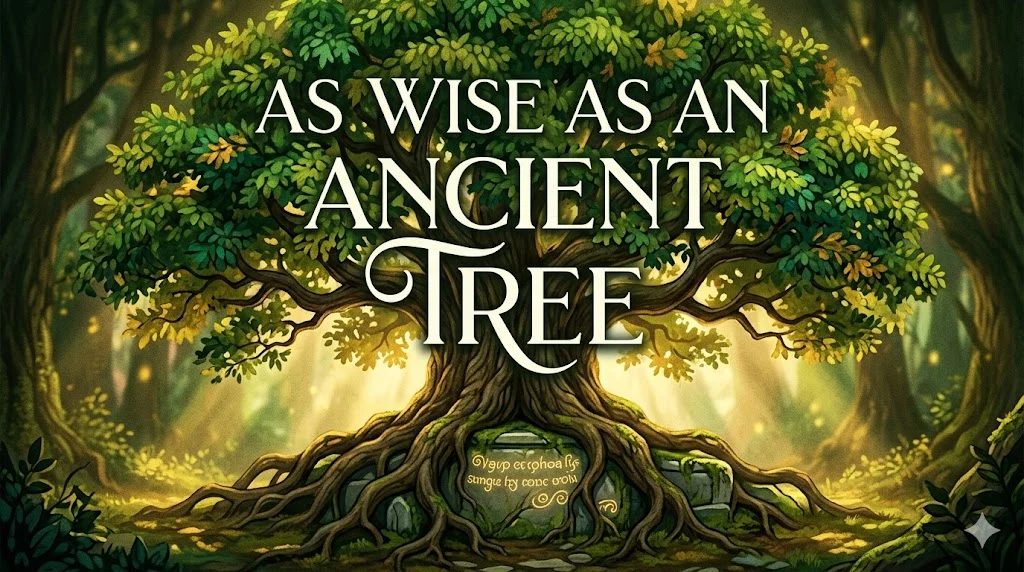
As Wise as an Ancient Tree
Meaning
This simile suggests great wisdom and experience.
Usage Insight
Use it when describing people who give valuable advice or possess deep knowledge.
Examples
- The teacher was as wise as an ancient tree.
- The village elder seemed as wise as an ancient tree.
As Steady as a Tree Root
Meaning
This simile describes stability and reliability.
Usage Insight
It works well when emphasizing trustworthiness and consistency.
Examples
- Her support was as steady as a tree root.
- The team’s captain remained as steady as a tree root throughout the season.
As Flexible as a Willow Tree
Meaning
This simile refers to adaptability and grace.
Usage Insight
Use it when describing people who adjust easily to changing situations.
Examples
- The dancer was as flexible as a willow tree.
- He stayed as flexible as a willow tree when plans suddenly changed.
As Patient as a Growing Tree
Meaning
This simile symbolizes patience and gradual progress.
Usage Insight
It is excellent for describing long-term goals and steady growth.
Examples
- She was as patient as a growing tree while learning to paint.
- Success often comes to those who are as patient as a growing tree.
As Bright as Sunlight Through Leaves
Meaning
This simile represents happiness, positivity, and brightness.
Usage Insight
Use it when describing cheerful personalities or uplifting moments.
Examples
- His smile was as bright as sunlight through leaves.
- The room felt as bright as sunlight through leaves after the good news.
As Peaceful as a Forest Tree
Meaning
This simile conveys tranquility and serenity.
Usage Insight
It works beautifully in descriptive and creative writing.
Examples
- She sat as peaceful as a forest tree beside the lake.
- The garden felt as peaceful as a forest tree at dawn.
As Helpful as a Tree Giving Shade
Meaning
This simile describes kindness and generosity.
Usage Insight
Use it to praise someone who helps others willingly.
Examples
- My friend is as helpful as a tree giving shade on a hot day.
- The volunteer was as helpful as a tree giving shade to weary travelers.
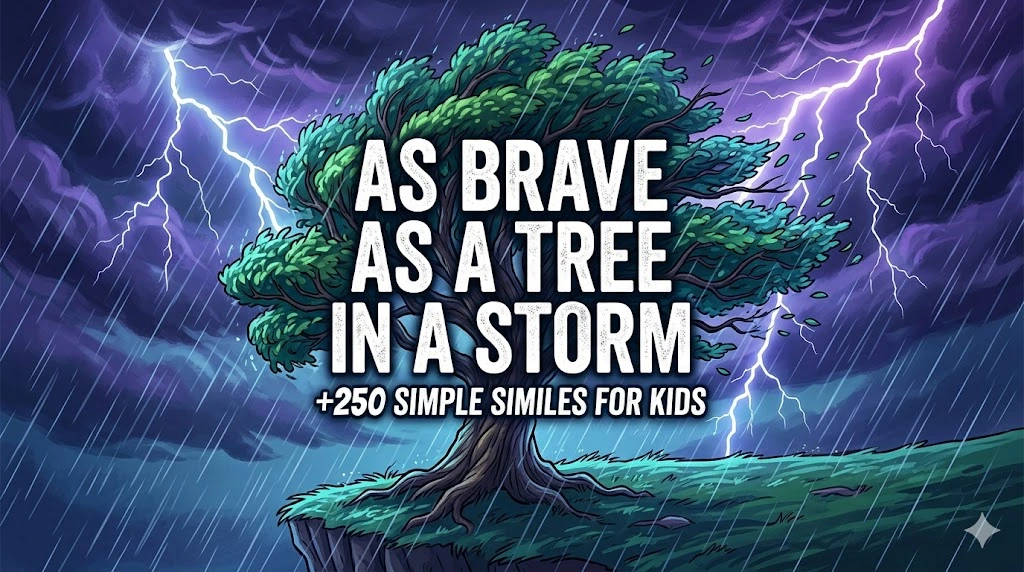
As Brave as a Tree in a Storm
Meaning
This simile symbolizes courage in difficult situations.
Usage Insight
Use it when describing people who face challenges fearlessly.
Examples
- The firefighter was as brave as a tree in a storm.
- She stood as brave as a tree in a storm during the presentation.
As Quiet as a Tree at Midnight
Meaning
This simile refers to complete silence and stillness.
Usage Insight
Perfect for creating peaceful or mysterious scenes.
Examples
- The library was as quiet as a tree at midnight.
- The street became as quiet as a tree at midnight after the rain.
As Strong-Minded as a Deep-Rooted Tree
Meaning
This simile describes determination and firm beliefs.
Usage Insight
Use it when discussing perseverance and confidence.
Examples
- He was as strong-minded as a deep-rooted tree.
- The young athlete remained as strong-minded as a deep-rooted tree despite setbacks.
As Hopeful as a Tree in Spring
Meaning
This simile symbolizes optimism and new beginnings.
Usage Insight
It works especially well in inspirational writing.
Examples
- She felt as hopeful as a tree in spring on the first day of school.
- The community was as hopeful as a tree in spring after the rebuilding efforts.
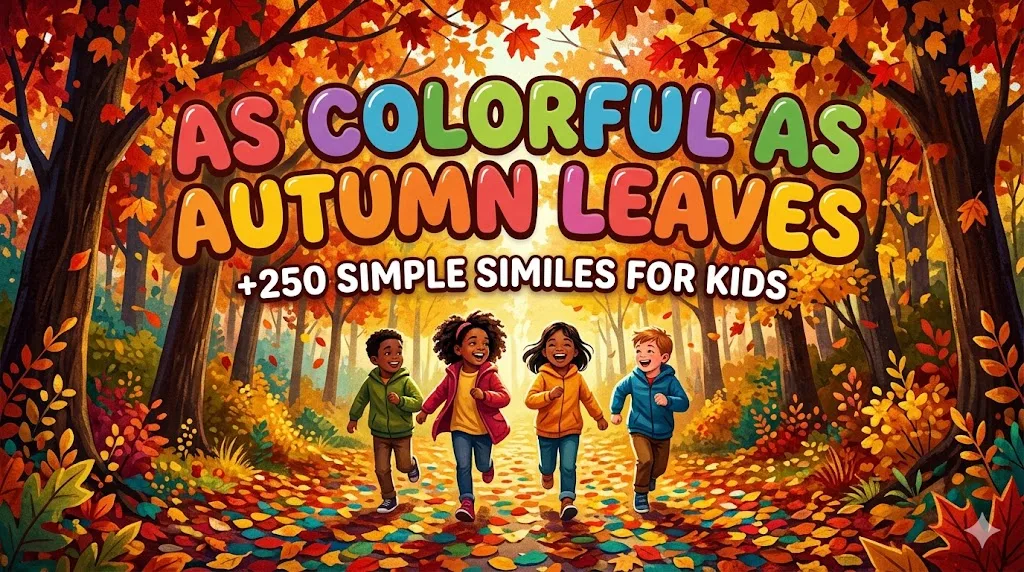
As Colorful as Autumn Leaves
Meaning
This simile describes something vibrant, lively, and full of variety.
Usage Insight
Use it to add vivid imagery to stories, poems, and descriptions.
Examples
- Her artwork was as colorful as autumn leaves.
- The festival decorations were as colorful as autumn leaves.
How to Use Similes Effectively in Writing
Similes can transform ordinary writing into something memorable and engaging. Here are some practical tips:
Poems
- Use similes to create strong imagery.
- Compare emotions to natural objects and scenes.
- Keep comparisons simple and meaningful.
Stories
- Help readers visualize characters and settings.
- Use similes to reveal personality traits.
- Add emotion and excitement to important moments.
Essays
- Use similes sparingly to clarify ideas.
- Choose comparisons that support your topic.
- Avoid overusing figurative language in formal writing.
In Songs
- Create memorable lines with relatable comparisons.
- Use rhythm-friendly similes that sound natural.
- Connect emotions with vivid images.
Creative Descriptions
- Draw inspiration from nature similes.
- Focus on comparisons readers can easily understand.
- Choose fresh and original examples rather than common clichés.
FAQs About Simple Similes for Kids
What are simple similes for kids?
Simple similes for kids are easy comparisons that use “like” or “as” to describe something clearly and creatively. For example, as strong as an oak tree.
What is the difference between a simile and a metaphor?
A simile compares two things using like or as, while a metaphor directly states that one thing is another thing without using those words.
Why are similes important in figurative language?
Similes help readers visualize ideas, understand emotions, and enjoy more colorful descriptions in writing.
Can similes be used in academic writing?
Yes, similes can be used in academic writing when they help explain complex ideas clearly, though they should be used carefully and appropriately.
Where can children find similes in literature?
Children can find similes in poems, storybooks, novels, songs, and many examples of creative writing where authors use comparisons to make descriptions more vivid.
Conclusion
Simple similes for kids are a wonderful way to make language more expressive, engaging, and memorable. By using thoughtful comparisons, young writers can create vivid images, communicate emotions, and bring their ideas to life. Whether inspired by nature similes, everyday experiences, or examples from literature, similes help readers see the world from a fresh perspective. From being as strong as an oak tree to as hopeful as a tree in spring, these figurative language examples encourage creativity while improving writing skills. The more children practice using similes, the more confident and imaginative they become as writers. Similes add clarity, imagery, and emotional depth to communication, making every story, poem, essay, and description more enjoyable to read.