
Similes are one of the most powerful tools in the English language. They help writers paint vivid pictures, express emotions, and make descriptions more memorable. Whether you are writing poetry, stories, essays, or creative content, similes bring life to ordinary words through meaningful comparisons.
They are an essential part of figurative language because they connect unfamiliar ideas with familiar images. Nature often inspires some of the best similes, especially when describing growth, change, and new beginnings. A shoot, which is a young plant beginning to grow, symbolizes hope, potential, and fresh opportunities.
Like trees that represent strength, wisdom, resilience, and emotional depth, shoots remind us that even the smallest beginnings can lead to remarkable growth. In this guide, you’ll discover creative similes for shoot that can enrich your writing and help you create stronger imagery.
What Is a Simile?
A simile is a figure of speech that compares two different things using the words “like” or “as.” Similes make descriptions more vivid and easier for readers to imagine.
Example:
The young shoot rose from the soil like a tiny green flag of hope.
This comparison helps readers visualize the shoot while also understanding its symbolic meaning.
Like a Green Arrow Piercing the Earth
Meaning: A shoot emerging quickly and forcefully from the soil.
Usage Insight: This simile works well when describing determination, growth, or the arrival of spring.
Examples:
- The fresh shoot burst through the ground like a green arrow piercing the earth.
- After the rain, tiny sprouts appeared like green arrows piercing the earth.
As Hopeful as a Shoot Reaching for Sunlight
Meaning: Full of optimism and potential.
Usage Insight: Ideal for themes of personal growth and new opportunities.
Examples:
- She felt as hopeful as a shoot reaching for sunlight after receiving the scholarship.
- The startup was as hopeful as a shoot reaching for sunlight.
Like a Whisper of Spring in the Soil
Meaning: A subtle sign of change and renewal.
Usage Insight: Perfect for poetic and seasonal writing.
Examples:
- The tiny shoot appeared like a whisper of spring in the soil.
- New ideas emerged like whispers of spring in the soil.
As Delicate as a New Shoot in the Wind
Meaning: Fragile yet full of life.
Usage Insight: Useful when describing vulnerability or early stages of development.
Examples:
- The child was as delicate as a new shoot in the wind.
- Their friendship felt as delicate as a new shoot in the wind.
Like a Tiny Flame of Green

Meaning: Small but vibrant and energetic.
Usage Insight: Effective for highlighting vitality and life.
Examples:
- The shoot stood in the garden like a tiny flame of green.
- Her ambition burned like a tiny flame of green.
As Determined as a Shoot Breaking Through Stone
Meaning: Persistent despite obstacles.
Usage Insight: Excellent for motivational and inspirational writing.
Examples:
- He was as determined as a shoot breaking through stone.
- The community recovered as determinedly as a shoot breaking through stone.
Like a Child Taking Its First Steps
Meaning: Representing beginnings and growth.
Usage Insight: Great for describing new experiences.
Examples:
- The young shoot stretched upward like a child taking its first steps.
- Her writing career began like a child taking its first steps.
As Fresh as a Shoot After Rain
Meaning: Renewed, healthy, and vibrant.
Usage Insight: Useful in nature descriptions and positive transformations.
Examples:
- The landscape looked as fresh as a shoot after rain.
- He returned from vacation as fresh as a shoot after rain.
Like a Green Thread Stitching Life into the Earth
Meaning: Bringing life and renewal.
Usage Insight: Works beautifully in poetic and descriptive writing.
Examples:
- The shoot appeared like a green thread stitching life into the earth.
- Each act of kindness was like a green thread stitching life into the community.
As Gentle as a Shoot Unfolding Its Leaves
Meaning: Calm, graceful, and natural.
Usage Insight: Suitable for peaceful scenes and emotional descriptions.
Examples:
- Her voice was as gentle as a shoot unfolding its leaves.
- The morning arrived as gently as a shoot unfolding its leaves.
Like a Promise Growing from the Ground
Meaning: Symbolizing future success and possibility.
Usage Insight: Ideal for hopeful narratives.
Examples:
- The shoot looked like a promise growing from the ground.
- The new project was like a promise growing from the ground.
As Resilient as a Shoot After a Storm
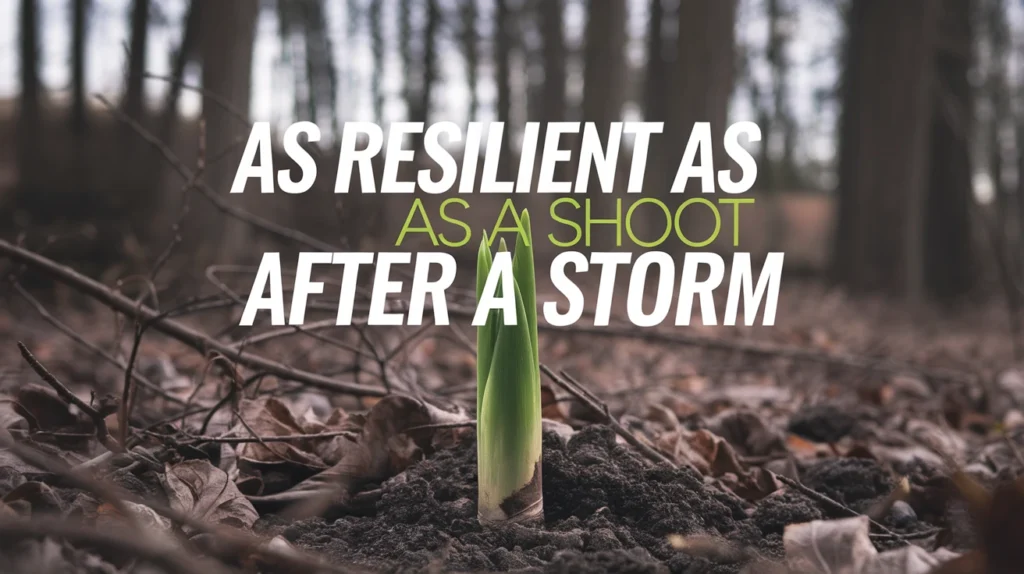
Meaning: Recovering strongly from difficulties.
Usage Insight: Effective for themes of resilience and perseverance.
Examples:
- She remained as resilient as a shoot after a storm.
- The village stood as resilient as a shoot after a storm.
Like a Painter’s First Brushstroke of Green
Meaning: The beginning of something beautiful.
Usage Insight: Excellent for artistic and creative descriptions.
Examples:
- The shoot emerged like a painter’s first brushstroke of green.
- Spring arrived like a painter’s first brushstroke of green.
As Eager as a Shoot Greeting the Morning
Meaning: Enthusiastic and ready for growth.
Usage Insight: Useful when describing motivation and excitement.
Examples:
- The students were as eager as shoots greeting the morning.
- He approached the challenge as eagerly as a shoot greeting the morning.
Like a Spark of Life Beneath the Soil
Meaning: Hidden potential waiting to emerge.
Usage Insight: Perfect for discussing talent, ideas, or future possibilities.
Examples:
- The shoot was like a spark of life beneath the soil.
- Her creativity remained like a spark of life beneath the soil until the right opportunity arrived.
As Steady as a Shoot Following the Sun
Meaning: Consistently moving toward growth and improvement.
Usage Insight: Great for describing dedication and focus.
Examples:
- He was as steady as a shoot following the sun.
- The company grew as steadily as a shoot following the sun.
How to Use Similes Effectively in Writing
Using similes effectively can transform ordinary writing into vivid, engaging content. Here are some practical tips:
- Choose comparisons that readers can easily understand.
- Use nature similes to create strong visual imagery.
- Avoid overusing similes in every sentence.
- Match the simile to the tone of your writing.
- Use similes in poems to create rhythm and emotion.
- Include similes in stories to make characters and settings memorable.
- Add similes to essays carefully to clarify ideas.
- Use figurative language examples to make songs more expressive.
- Create original comparisons rather than relying on clichés.
- Read similes in literature to learn how skilled authors use them effectively.
FAQs
What are similes for shoot?
Similes for shoot are comparisons that describe a young plant shoot using “like” or “as” to highlight growth, hope, resilience, and new beginnings.
What is the difference between a simile and a metaphor?
A simile compares two things using “like” or “as,” while a metaphor directly states that one thing is another without using comparison words.
Why are shoot similes useful in writing?
They help readers visualize growth, potential, determination, and renewal through vivid imagery.
Can shoot similes be used in academic writing?
Yes, when used appropriately, they can make explanations more engaging and memorable, especially in creative or descriptive assignments.
Are shoot similes common in literature?
Yes. Many authors use plant and nature-based similes to symbolize growth, transformation, hope, and resilience.
Conclusion
Similes for shoot provide writers with powerful ways to express growth, hope, resilience, and transformation. By comparing shoots to arrows, flames, promises, and sparks of life, these figurative language examples create vivid imagery that readers can easily understand and remember. Whether you are writing poetry, stories, essays, songs, or creative descriptions, these comparisons can add depth and emotional richness to your work. Like the young shoot itself, a well-crafted simile has the power to grow into something meaningful, helping your words connect with readers on a deeper level. Mastering similes is a simple yet effective way to make your writing more engaging, expressive, and memorable.