
Similes are one of the most enjoyable ways for children to learn how language can paint pictures with words. They help young learners describe people, places, feelings, and objects in a creative and memorable way.
A simile compares two different things using the words “like” or “as.” Because they are simple and fun, similes are often introduced during the early years of education. They are an important part of figurative language and help children improve both reading and writing skills. Many similes are inspired by nature because children can easily understand familiar images such as trees, flowers, animals, and clouds.
Trees are especially powerful symbols of strength, growth, resilience, wisdom, and human emotion because they continue growing through every season. Learning similes for kindergarten can help children build vocabulary, spark imagination, and develop confidence in expressing their ideas.
What Is a Simile?
A simile is a figure of speech that compares two different things using the words “like” or “as.” Similes help readers and listeners imagine something more clearly.
Example:
The little tree stood as tall as a giant umbrella.
This comparison creates a clear picture in the reader’s mind and makes the description more interesting.
As Bright as the Morning Sun
Meaning
Describes someone or something that is cheerful and full of energy.
Usage Insight
Perfect for describing happy children, smiles, or positive moments.
Examples
- Her smile was as bright as the morning sun.
- The classroom felt as bright as the morning sun on the first day of school.
As Tall as a Growing Tree
Meaning
Refers to someone or something that is tall.
Usage Insight
Useful when describing height in a simple way children understand.
Examples
- My brother is as tall as a growing tree.
- The playground slide stood as tall as a growing tree.
As Busy as a Bee in a Garden
Meaning
Describes someone who is very active and hardworking.
Usage Insight
Great for stories about energetic children or busy places.
Examples
- Emma was as busy as a bee in a garden during art class.
- The classroom was as busy as a bee in a garden before the school fair.
As Soft as a Cloud
Meaning
Describes something gentle and soft to the touch.
Usage Insight
Works well when describing blankets, pillows, or stuffed animals.
Examples
- My pillow is as soft as a cloud.
- The kitten’s fur felt as soft as a cloud.
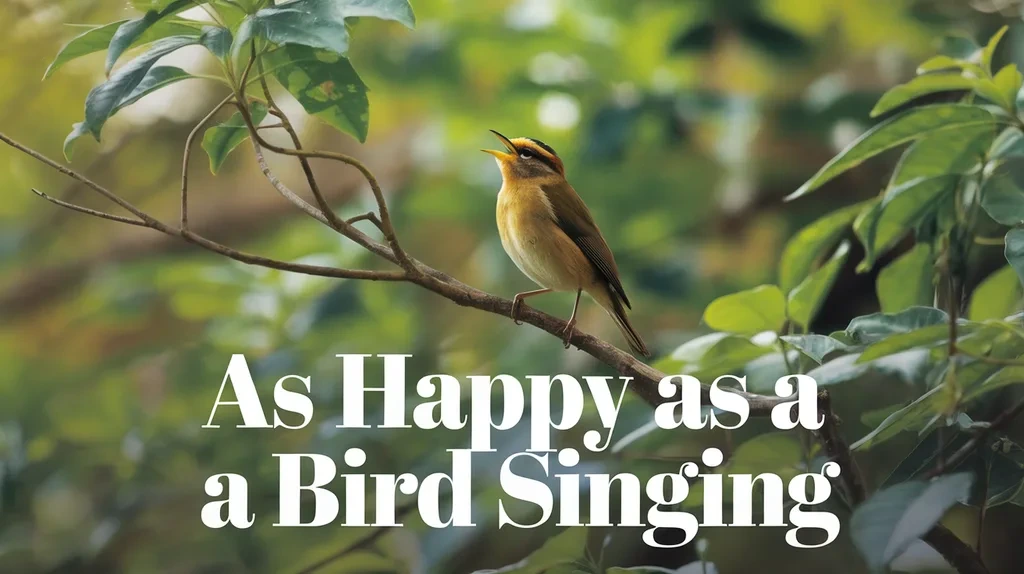
As Happy as a Bird Singing
Meaning
Represents joy and excitement.
Usage Insight
Ideal for describing positive emotions.
Examples
- He was as happy as a bird singing on a sunny morning.
- The children were as happy as a bird singing after hearing the good news.
As Calm as a Tree in the Breeze
Meaning
Describes peaceful and relaxed behavior.
Usage Insight
Useful for stories involving quiet moments.
Examples
- She sat as calm as a tree in the breeze.
- The baby looked as calm as a tree in the breeze while sleeping.
As Colorful as a Rainbow
Meaning
Describes something bright and full of different colors.
Usage Insight
Excellent for art projects and creative descriptions.
Examples
- Her painting was as colorful as a rainbow.
- The decorations were as colorful as a rainbow.
As Gentle as Falling Leaves
Meaning
Represents kindness and gentleness.
Usage Insight
Works well when describing caring people or soft movements.
Examples
- His voice was as gentle as falling leaves.
- The teacher was as gentle as falling leaves with her students.
As Fast as a Running Rabbit
Meaning
Describes someone or something that moves quickly.
Usage Insight
Perfect for action-packed stories.
Examples
- The boy ran as fast as a running rabbit.
- The puppy dashed across the yard as fast as a running rabbit.
As Sweet as Honey
Meaning
Refers to someone who is kind and pleasant.
Usage Insight
Useful for describing friendly personalities.
- My grandmother is as sweet as honey.
- The little girl was as sweet as honey to everyone she met.
As Quiet as a Sleeping Tree
Examples
Meaning
Describes complete stillness and silence.
Usage Insight
Great for bedtime stories and peaceful scenes.
Examples
- The library was as quiet as a sleeping tree.
- The room became as quiet as a sleeping tree after the lights went out.
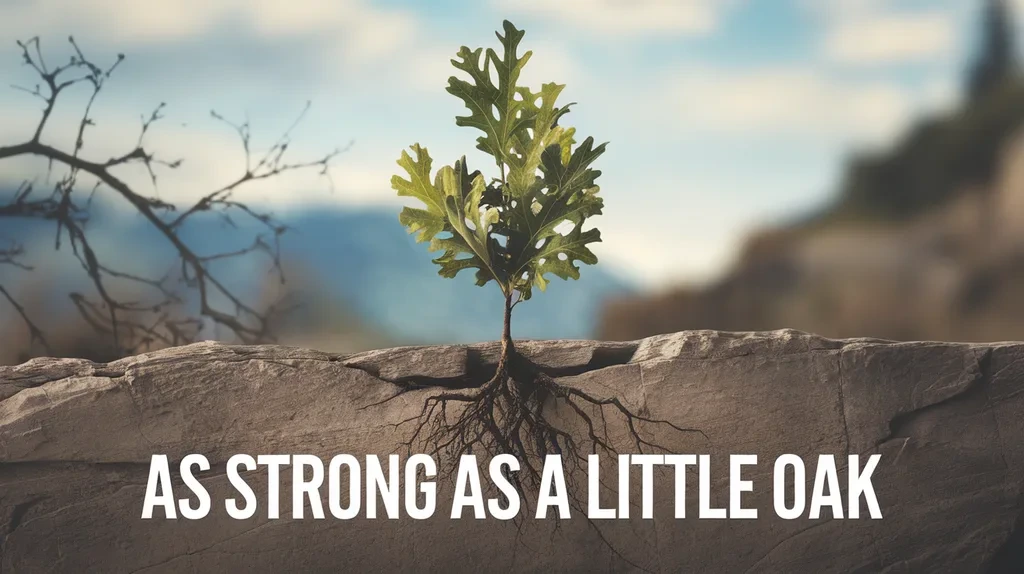
As Strong as a Little Oak
Meaning
Represents strength and determination.
Usage Insight
Ideal for encouraging confidence in young learners.
Examples
- She was as strong as a little oak during the race.
- The young climber felt as strong as a little oak.
As Playful as a Puppy
Meaning
Describes someone who is energetic and fun-loving.
Usage Insight
Perfect for describing children and pets.
Examples
- Jake was as playful as a puppy at recess.
- The kitten acted as playful as a puppy all afternoon.
As Shiny as Morning Dew
Meaning
Describes something sparkling and bright.
Usage Insight
Useful for nature descriptions and creative writing.
Examples
- Her new shoes were as shiny as morning dew.
- The leaves looked as shiny as morning dew after the rain.
As Hopeful as a Tree in Spring
Meaning
Represents optimism and new beginnings.
Usage Insight
Excellent for inspirational and educational writing.
Examples
- She felt as hopeful as a tree in spring on her first day of school.
- The team remained as hopeful as a tree in spring before the final game.
How to Use Similes Effectively in Writing
Poems
- Use simple comparisons that children can easily understand.
- Draw inspiration from nature similes.
- Focus on creating vivid images.
In Stories
- Help readers picture characters and settings.
- Add excitement and emotion to important scenes.
- Use similes naturally within the story.
Essays
- Explain ideas through familiar comparisons.
- Keep similes relevant to the topic.
- Avoid overusing figurative language.
In Songs
- Create memorable and playful lines.
- Use rhythmic and easy-to-understand comparisons.
- Connect emotions with simple imagery.
Creative Descriptions
- Choose comparisons that children recognize.
- Use colorful and imaginative language.
- Keep descriptions clear and engaging.
FAQs About Similes for Kindergarten
What are similes for kindergarten?
Similes for kindergarten are simple comparisons that use “like” or “as” to help young children understand and describe things creatively.
What is the difference between a simile and a metaphor?
A simile compares two things using “like” or “as,” while a metaphor directly says one thing is another.
Why are similes important for young learners?
Similes help children improve vocabulary, imagination, reading comprehension, and writing skills.
Can kindergarten students use similes in writing?
Yes. Simple similes help kindergarten students express ideas more clearly and creatively.
Where can children find similes in literature?
Children can find similes in storybooks, poems, songs, nursery rhymes, and other forms of creative writing.
Conclusion
Similes for kindergarten provide a fun and effective way for young learners to explore language through creative comparisons. By connecting everyday experiences with familiar images from nature, children can better understand emotions, actions, and descriptions. These figurative language examples encourage imagination while helping students become stronger readers and writers. Whether describing someone as as happy as a bird singing or as strong as a little oak, similes make communication more colorful and engaging. They also introduce children to important literary techniques used in stories, poems, and literature. As children practice using similes, they gain confidence in expressing themselves and develop a lifelong appreciation for language. Simple, vivid comparisons can transform ordinary writing into something memorable, meaningful, and full of imagination.