

Food is one of the most powerful experiences in human life because it connects directly to our senses, memories, and emotions. Writers often use similes for food to describe taste, texture, and aroma in a way that feels alive and vivid. Similes are an important part of figurative language because they help readers understand unfamiliar ideas by comparing them with something familiar. They turn simple descriptions into rich sensory images that feel almost real.
Just like trees in nature similes represent strength, growth, resilience, wisdom, and deep human emotion, food similes also carry emotional warmth and cultural meaning. They can make a simple dish feel luxurious, comforting, or even unforgettable. In literature, similes are widely used to enhance storytelling and create emotional depth. This article explores creative and original similes for food that will improve your writing skills and make your descriptions more engaging.
What Is a Simile?
A simile is a figure of speech that compares two different things using the words “like” or “as” to create a clearer or more vivid image.
Example: The soup was as warm as a summer sunset.
1. As sweet as a field of ripe mangoes
Meaning: Describes something extremely sweet and naturally pleasant. Usage Insight: Best used for desserts, fruits, or joyful experiences. Example Sentences:
- The dessert was as sweet as a field of ripe mangoes in peak season.
- Her voice was as sweet as a field of ripe mangoes, soft and comforting.
2. As spicy as a burning chili flame
Meaning: Describes extremely hot and intense spicy flavor. Usage Insight: Perfect for bold and fiery dishes. Example Sentences:
- The curry was as spicy as a burning chili flame that made everyone sweat.
- His cooking style is as spicy as a burning chili flame, full of heat.
3. As soft as a cloud of whipped cream
Meaning: Describes extremely soft and airy texture. Usage Insight: Ideal for desserts and baked goods. Example Sentences:
- The cake was as soft as a cloud of whipped cream, melting instantly.
- Her homemade muffins are as soft as a cloud of whipped cream.
4. As crispy as golden autumn leaves
Meaning: Describes food that is crunchy and perfectly crisp. Usage Insight: Common for fried snacks and baked items. Example Sentences:
- The samosas were as crispy as golden autumn leaves.
- The fried chicken was as crispy as golden autumn leaves underfoot.
5. As fresh as morning garden dew
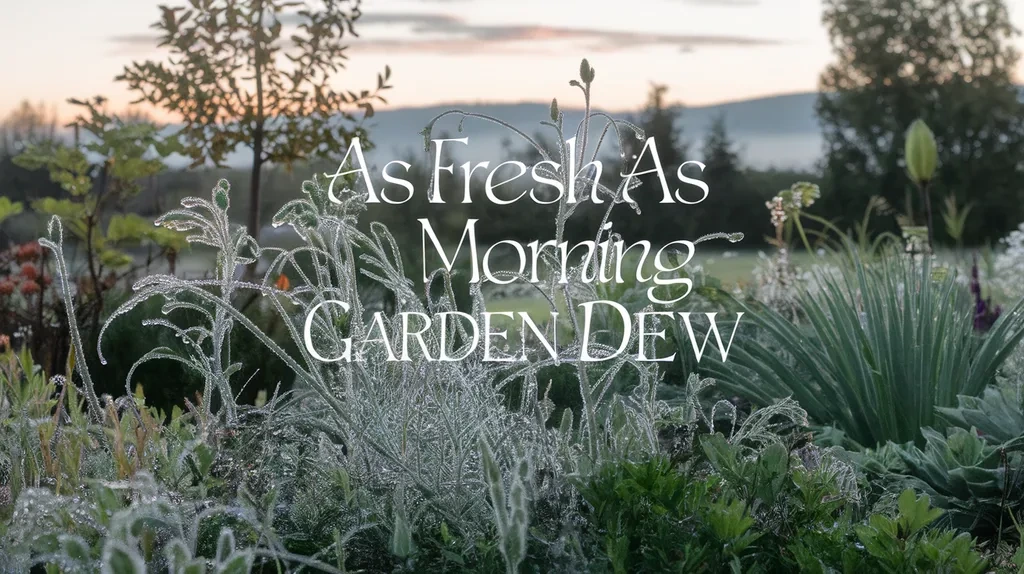
Meaning: Describes food that feels newly harvested and fresh. Usage Insight: Best for vegetables, fruits, and salads. Example Sentences:
- The salad tasted as fresh as morning garden dew.
- Her ingredients were as fresh as morning garden dew from the farm.
6. As juicy as a bursting watermelon slice
Meaning: Describes food full of juice and flavor. Usage Insight: Perfect for fruits and grilled meats. Example Sentences:
- The burger was as juicy as a bursting watermelon slice.
- The peach was as juicy as a bursting watermelon slice in summer.
7. As cold as frozen mountain snow
Meaning: Describes extremely cold and refreshing items. Usage Insight: Used for drinks and desserts. Example Sentences:
- The drink was as cold as frozen mountain snow.
- She served juice as cold as frozen mountain snow on a hot day.
8. As rich as melted dark chocolate
Meaning: Describes deep, heavy, and luxurious flavor. Usage Insight: Ideal for desserts and creamy dishes. Example Sentences:
- The cake was as rich as melted dark chocolate.
- His pudding tasted as rich as melted dark chocolate.
9. As bitter as strong black coffee
Meaning: Describes sharp bitterness in taste or emotion. Usage Insight: Used for coffee or strong herbal flavors. Example Sentences:
- The medicine was as bitter as strong black coffee.
- His words felt as bitter as strong black coffee in the morning.
10. As light as a morning breeze
Meaning: Describes very light and airy food texture. Usage Insight: Best for soufflés, cakes, and mousses. Example Sentences:
- The dessert was as light as a morning breeze.
- Her pancakes were as light as a morning breeze on a spring day.
11. As sour as fresh lemon drops
Meaning: Describes sharp sour taste. Usage Insight: Ideal for citrus-based foods and drinks. Example Sentences:
- The sauce was as sour as fresh lemon drops.
- His expression turned as sour as fresh lemon drops after tasting it.
12. As crunchy as roasted peanuts
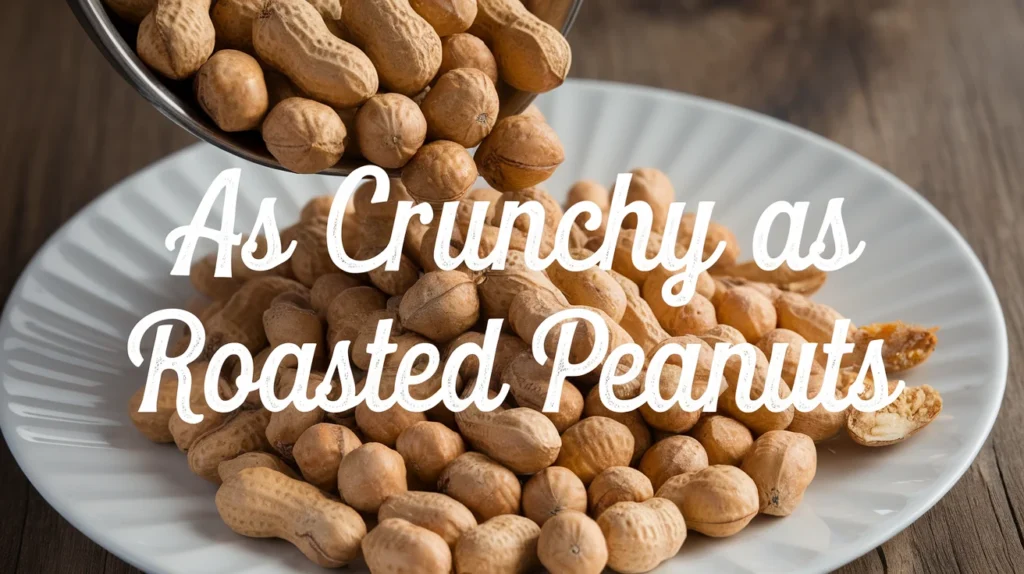
Meaning: Describes satisfying crunchiness. Usage Insight: Used for snacks and fried foods. Example Sentences:
- The salad topping was as crunchy as roasted peanuts.
- The biscuits were as crunchy as roasted peanuts in every bite.
13. As warm as freshly baked bread from the oven
Meaning: Describes comforting warmth and freshness. Usage Insight: Often used for emotional warmth too. Example Sentences:
- The meal felt as warm as freshly baked bread from the oven.
- Her welcome was as warm as freshly baked bread from the oven.
14. As sticky as melted caramel sauce
Meaning: Describes thick, sticky texture or situation. Usage Insight: Perfect for desserts or emotional expressions. Example Sentences:
- The toffee was as sticky as melted caramel sauce.
- The situation became as sticky as melted caramel sauce quickly.
15. As flavorful as a bustling spice bazaar
Meaning: Describes food full of rich and diverse flavors. Usage Insight: Ideal for cultural and complex dishes. Example Sentences:
- The dish was as flavorful as a bustling spice bazaar.
- Her cooking is as flavorful as a bustling spice bazaar full of aroma.
How to Use Similes Effectively in Writing
Using similes in writing can transform simple descriptions into powerful imagery. poetry, similes add rhythm and emotional depth. storytelling, they help readers visualize scenes more clearly. In essays, they make explanations easier to understand. In songs, they create emotional connection and beauty. When using similes, always choose comparisons that your readers can easily relate to. Avoid overusing them in one paragraph, as too many similes can reduce impact. Strong writing uses similes naturally, not forcefully, to enhance meaning and creativity.
FAQs About Similes for Food
1. What are similes for food? They are creative comparisons used to describe food using “like” or “as” to make writing more vivid.
2. What is the difference between a simile and a metaphor? A simile uses “like” or “as,” while a metaphor directly states one thing is another.
3. Why are similes important in writing? They help readers imagine descriptions more clearly and emotionally.
4. Can similes be used in academic writing? Yes, but they should be used carefully and sparingly for clarity.
5. Where are food similes commonly used? They are common in literature, poetry, food blogs, storytelling, and advertisements.
Conclusion
Similes for food play a powerful role in making language more expressive, colorful, and engaging. They allow writers to turn simple food descriptions into vivid sensory experiences that readers can almost taste and feel. Whether used in creative writing, academic work, or storytelling, similes add clarity, imagination, and emotional richness. Just like nature similes bring life to descriptions of the natural world and similes in literature deepen meaning, food similes bring flavor and emotion to words. Mastering them helps you become a more creative and impactful writer who can truly connect with readers through language.