

Money shapes so much of daily life, yet plain language often falls flat when describing what it truly feels like to have it, chase it, or lose it. Saying someone is “rich” tells the reader a fact, but comparing their fortune to a river that never runs dry tells the reader a story. A simile compares two different things using “like” or “as,” borrowing the vividness of one image to sharpen the meaning of another, which is why similes remain one of the most valuable tools in figurative language.
Nature has always offered rich material for these comparisons, and trees in particular stand as one of literature’s oldest symbols of steady growth, deep roots, and quiet resilience. A tree that grows slowly over decades mirrors the patient way real wealth is built, while its wide, sheltering branches echo the security and abundance that money can provide when it’s managed wisely. Writers return to trees, rivers, harvests, and mountains again and again because nature already understands the difference between fleeting gain and lasting prosperity.
This is why nature similes appear so often in literature about money and fortune; they let a writer suggest depth of wealth or scarcity without ever stating it outright. In this guide, you’ll find fifteen original, ready-to-use similes for money, each explained with its meaning, its ideal use in writing, and two polished example sentences to help sharpen the way you describe wealth in your own work.
What Is a Simile?
A simile is a figure of speech that compares two different things using the words “like” or “as,” highlighting a shared quality between them to create a vivid picture in the reader’s mind.
For example,
saying “his fortune grew like a river swollen with spring rain” doesn’t just tell us he became wealthy — it shows us exactly how that wealth surged and spread, turning a simple fact into a memorable image.
1. Rich as Soil After a Long Harvest
Meaning:
This simile describes deep, well-earned wealth, comparing a person’s fortune to soil that has been enriched by seasons of growth and hard work.
Usage Insight:
This works well for characters whose wealth comes from patience and effort rather than luck, making it ideal for stories about farmers, entrepreneurs, or self-made success.
Example Sentences:
- After thirty years of building the business, the family was rich as soil after a long harvest.
- Their savings felt rich as soil after a long harvest, the reward of decades spent living carefully.
2. Flowing Like a River That Never Runs Dry
Meaning:
This simile describes a steady, seemingly endless source of income, comparing it to a river that continues to move regardless of the season.
Usage Insight:
Use this simile for describing consistent, reliable wealth rather than a sudden windfall, particularly in scenes involving long-term financial security or generational money.
Example Sentences:
- His investments kept flowing like a river that never runs dry, even during the worst years of the recession.
- The family fortune had been flowing like a river that never runs dry since her great-grandfather founded the company.
3. Tight as a Fist Around a Single Coin
Meaning:
This simile describes financial scarcity or extreme frugality, comparing a person’s grip on their limited money to a fist clenched tightly around one small coin.
Usage Insight:
This simile works especially well for characters facing hardship or practicing careful budgeting, adding emotional weight to scenes involving financial stress.
Example Sentences:
- Their budget stayed tight as a fist around a single coin after the layoffs began.
- She held onto her savings tight as a fist around a single coin, unwilling to spend a cent she didn’t have to.
4. Golden as Wheat Fields Under a Summer Sun
Meaning:
This nature-based simile describes visible, radiant prosperity, comparing wealth to fields of wheat glowing warmly under bright summer light.
Usage Insight:
This works well for describing abundance in a way that feels earned and natural rather than flashy, particularly in stories set in rural or agricultural communities.
Example Sentences:
- Business that year was golden as wheat fields under a summer sun, and every harvest brought in more than the last.
- Their success felt golden as wheat fields under a summer sun, the kind of prosperity that had taken years to grow.
5. Fragile as a House Built on Borrowed Sand

Meaning:
This simile describes wealth that appears solid but is actually unstable, comparing it to a structure built on a foundation that cannot support real weight.
Usage Insight:
Use this simile for characters whose financial success is built on debt, deception, or unsustainable choices, especially in stories leading toward a dramatic downfall.
Example Sentences:
- His lavish lifestyle was fragile as a house built on borrowed sand, and everyone but him could see it.
- The company’s rapid growth was fragile as a house built on borrowed sand, propped up by loans no one could repay.
6. Heavy as Gold Buried Beneath a Mountain
Meaning:
This simile describes wealth that feels substantial and deeply rooted, comparing it to precious metal hidden securely within the earth.
Usage Insight:
This simile is ideal for describing old or inherited wealth, particularly in stories involving family legacies, estates, or long-standing financial power.
Example Sentences:
- The family’s reputation felt heavy as gold buried beneath a mountain, built up over generations no one living had ever met.
- Her inheritance sat heavy as gold buried beneath a mountain, a weight she hadn’t expected to carry so young.
7. Slipping Away Like Sand Through Open Fingers
Meaning:
This simile describes money that disappears quickly despite a person’s best efforts to hold onto it, comparing it to fine sand that cannot be contained by hand.
Usage Insight:
Use this simile for scenes involving overspending, unexpected expenses, or financial anxiety, since it captures the powerless feeling of watching money vanish.
Example Sentences:
- No matter how carefully she budgeted, her paycheck kept slipping away like sand through open fingers.
- Their savings were slipping away like sand through open fingers after the medical bills started arriving.
8. Blooming Like an Orchard After Years of Careful Tending
Meaning:
This simile describes wealth that grows naturally from patience and consistent effort, comparing financial success to an orchard that finally bears fruit after years of care.
Usage Insight:
This simile works well for describing long-term investments or businesses that take time to succeed, particularly in stories about delayed gratification and discipline.
Example Sentences:
- Their retirement fund was blooming like an orchard after years of careful tending, finally ready to support the life they’d planned.
- The startup’s profits were blooming like an orchard after years of careful tending, rewarding every risk they had taken early on.
9. Scarce as Rain in a Drought-Stricken Summer
Meaning:
This simile describes financial hardship and shortage, comparing the lack of money to rainfall that refuses to come during a dry, difficult season.
Usage Insight:
This works especially well for describing economic downturns or personal financial crises, giving the reader a visceral sense of just how limited resources have become.
Example Sentences:
- Job offers were scarce as rain in a drought-stricken summer during the worst months of the recession.
- Money in their household had grown scarce as rain in a drought-stricken summer since the factory closed.
10. Steady as Roots Anchoring a Century-Old Tree
Meaning:
This simile describes financial stability built over a long period of time, comparing it to the deep, unshakable roots of a tree that has survived for generations.
Usage Insight:
Use this simile for characters or families whose wealth feels secure and dependable, particularly in stories emphasizing legacy, trust, and long-term planning.
Example Sentences:
- Their finances stayed steady as roots anchoring a century-old tree, even during years when others struggled.
- The company’s foundation was steady as roots anchoring a century-old tree, built to withstand any downturn in the market.
11. Glittering Like Frost on a Winter Morning
Meaning:
This simile describes wealth that looks beautiful and appealing on the surface but may not carry real substance underneath, comparing it to delicate frost that melts quickly once the sun rises.
Usage Insight:
This simile works well for describing flashy or temporary displays of wealth, especially in stories examining the difference between appearance and reality.
Example Sentences:
- His new car and watch collection glittered like frost on a winter morning, impressive but gone the moment his luck changed.
- The influencer’s lifestyle glittered like frost on a winter morning, beautiful to watch but never meant to last.
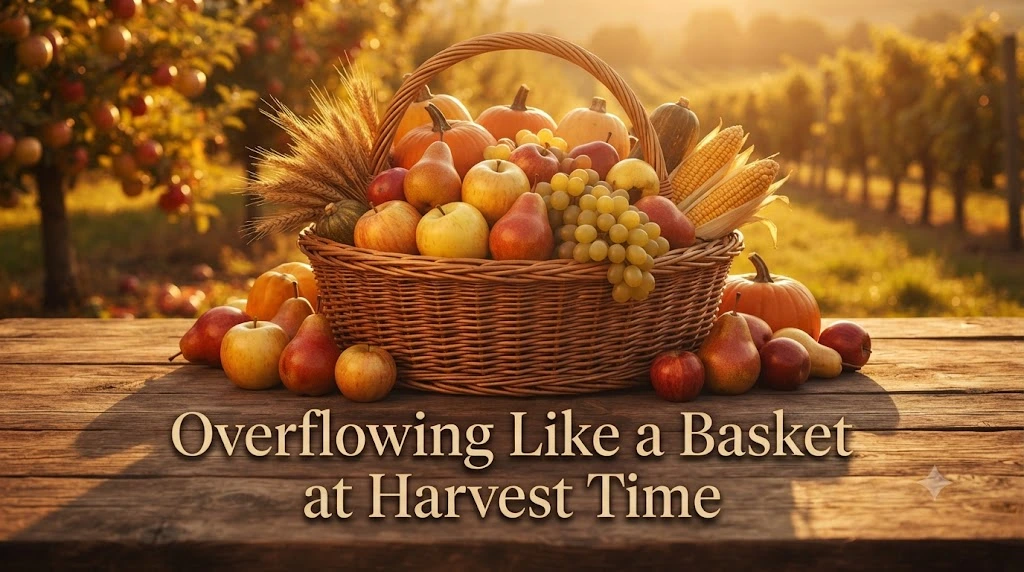
12. Overflowing Like a Basket at Harvest Time
Meaning:
This simile describes abundant, plentiful wealth, comparing it to a basket so full of crops that it can barely hold everything gathered.
Usage Insight:
Use this simile for moments of celebration or success, particularly when a character’s hard work finally pays off in a visible, rewarding way.
Example Sentences:
- Sales during the holiday season were overflowing like a basket at harvest time, more than they had ever recorded.
- Her savings account felt overflowing like a basket at harvest time after years of careful, disciplined saving.
13. Cracked as Dry Earth in a Long Drought
Meaning:
This simile describes financial ruin or depletion, comparing empty accounts or resources to soil that has split apart from prolonged lack of water.
Usage Insight:
This simile is effective for scenes depicting bankruptcy, poverty, or economic collapse, adding a stark, visual sense of just how depleted things have become.
Example Sentences:
- After the divorce and the failed business, his finances were cracked as dry earth in a long drought.
- The town’s economy looked cracked as dry earth in a long drought once the factory shut its doors for good.
14. Solid as Bedrock Beneath a Family Estate
Meaning:
This simile describes dependable, long-lasting wealth, comparing financial security to the unshakable foundation that supports a large, enduring property.
Usage Insight:
Use this simile for describing generational wealth or well-managed finances, particularly in stories involving inheritance, trust funds, or family businesses.
Example Sentences:
- Their family’s finances were solid as bedrock beneath a family estate, untouched by even the worst market crashes.
- His grandfather’s investments proved solid as bedrock beneath a family estate, still supporting the family decades later.
15. Growing Like Ivy Climbing an Old Stone Wall
Meaning:
This simile describes wealth that expands steadily and persistently over time, comparing it to ivy that spreads slowly but surely across a solid surface.
Usage Insight:
This simile works especially well for describing gradual financial success through smart, consistent decisions, particularly in stories about long-term investing or building a business from scratch.
Example Sentences:
- Her portfolio kept growing like ivy climbing an old stone wall, patient and unstoppable over the years.
- Their small shop’s profits grew like ivy climbing an old stone wall, expanding a little more with every passing season.
How to Use Similes Effectively in Writing
Similes are most powerful when chosen with intention rather than added simply for decoration. Here’s how to use them well across different types of writing:
- In poems: Let one strong simile carry the emotional weight of a stanza instead of layering several together. Match the comparison’s tone to the rhythm and mood of the poem as a whole.
- stories: Use similes to reveal how a character relates to money, not just to state whether they’re wealthy or struggling. The comparisons a narrator chooses often say as much about a character’s values as their bank account does.
- In essays: Similes can make abstract financial concepts easier to understand, but they should stay clear and purposeful, especially in formal or analytical writing where precision matters most.
- songs: Vivid similes work well in lyrics because they’re memorable and easy to connect with instantly. Choose comparisons that are striking yet simple enough to resonate on a single listen.
- In creative descriptions: Avoid overused comparisons when possible, and don’t hesitate to draw fresh imagery from nature, harvests, or everyday objects. Original similes leave a much stronger impression than familiar ones.
- General rule: Similes should deepen meaning and imagery, not replace clear explanation. One vivid, well-placed simile will always be more effective than several vague ones crowded into a single paragraph.
FAQs
1. What are the best similes for money?
Some of the most powerful similes for money include “flowing like a river that never runs dry,” “rich as soil after a long harvest,” and “slipping away like sand through open fingers.” These work well because they turn an abstract concept like wealth into something readers can vividly picture and understand.
2. What is the difference between a simile and a metaphor?
A simile compares two things using “like” or “as,” such as “golden as wheat fields under a summer sun,” while a metaphor states that one thing directly is another, such as “their success was a field of golden wheat.” Both create strong imagery, but similes make the comparison more explicit, which often makes them easier for readers to follow.
3. Why are nature similes so effective for describing money and wealth?
Nature similes work well for describing money because natural cycles like harvests, rivers, droughts, and growing trees already mirror the patterns of prosperity and scarcity. These comparisons tap into ideas most readers understand instinctively, making financial description feel grounded and real rather than abstract.
4. Can similes be used in academic or formal writing?
Yes, similes can be used in academic writing when they help clarify a complex financial or economic idea, but they should be used sparingly and with precision. Overly poetic or dramatic similes are generally better suited to creative writing than formal essays or research papers.
5. How can I create my own original similes for money?
Start by identifying the specific quality of wealth or scarcity you want to describe, whether it’s abundance, fragility, or steady growth, then think of an object, natural process, or seasonal image that shares that same quality. Reading widely across literature is one of the best ways to train yourself to notice fresh, unexpected comparisons.
Conclusion
Powerful similes for money do more than describe wealth — they let readers feel what fortune, scarcity, and financial growth truly mean, through rivers that never run dry, roots anchoring a century-old tree, and sand slipping quietly through open fingers. By drawing on vivid imagery, especially the natural cycles of growth and drought that mirror our own financial lives, these comparisons turn a simple number into something readers remember long after they finish reading. Whether you’re writing a thoughtful essay, a character-driven story, a personal reflection, or the lyrics to a song, a well-chosen simile adds clarity, imagery, and emotional depth that plain description alone can never fully achieve.