
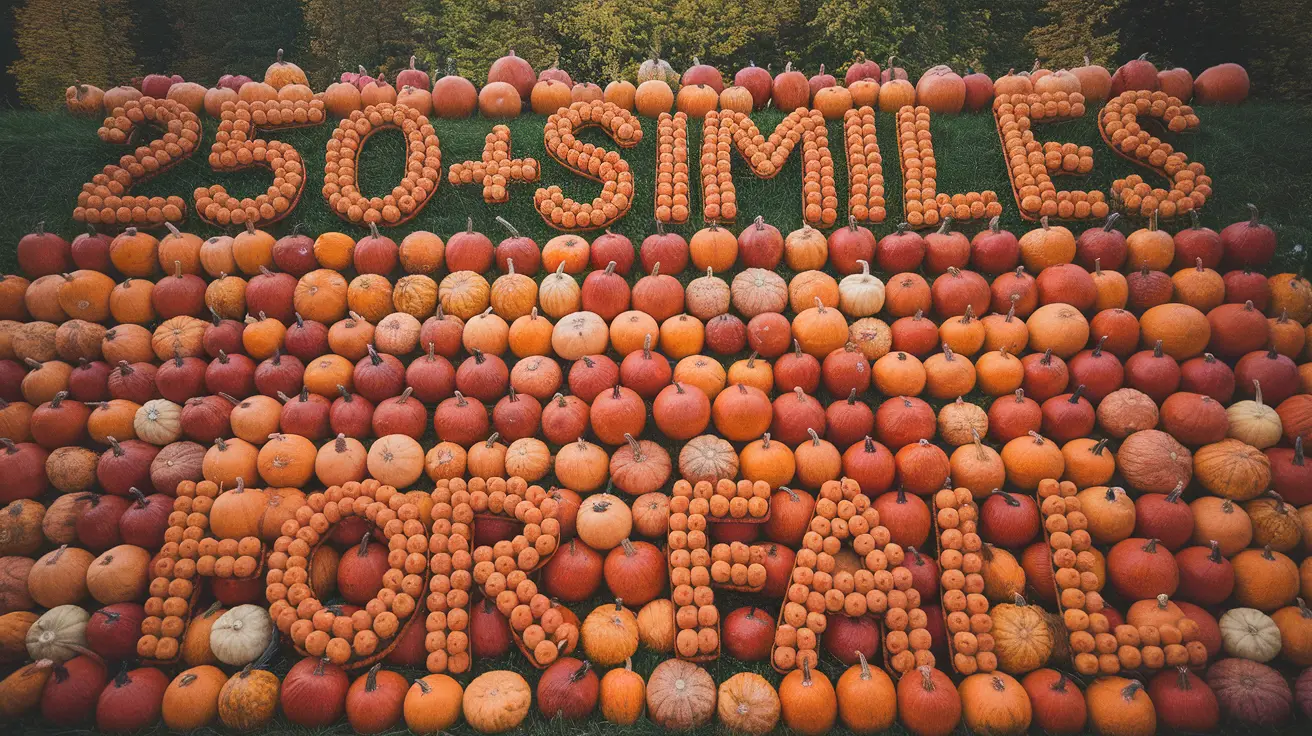
Fall is a season filled with color, change, and quiet beauty. Golden leaves drift through the air, cool breezes replace summer heat, and nature prepares for a new chapter. Writers often use similes to describe the sights, sounds, and emotions of autumn in vivid and memorable ways. Similes compare two different things using the words “like” or “as,” helping readers create strong mental images and emotional connections.
They are an essential part of figurative language because they make descriptions more expressive, engaging, and meaningful. Nature similes are especially powerful when writing about fall because the season itself is rich with visual beauty and symbolism.
Trees, in particular, represent strength, growth, resilience, wisdom, and human emotion, standing as reminders that change can be both beautiful and necessary. In this guide, you’ll discover creative similes for fall, complete with meanings, examples, and practical writing tips to enrich your poems, stories, essays, and creative descriptions.
What Is a Simile?
A simile is a figure of speech that compares two unlike things using the words “like” or “as.” Similes help readers understand an idea or image by relating it to something familiar.
Example:
The leaves drifted as gently as feathers falling from the sky.
This simile helps readers visualize the graceful movement of autumn leaves.
As Colorful as a Painter’s Canvas
Meaning
Describes the vibrant colors of fall foliage.
Usage Insight
Perfect for highlighting the beauty of autumn landscapes.
Examples
- The forest was as colorful as a painter’s canvas in October.
- The hillside looked as colorful as a painter’s canvas beneath the afternoon sun.
Like Leaves Dancing in the Wind
Meaning
Represents movement, freedom, and seasonal change.
Usage Insight
Ideal for describing breezy autumn days.
Examples
- The children ran through the park like leaves dancing in the wind.
- Her thoughts drifted like leaves dancing in the wind.
As Golden as Honey in Sunlight
Meaning
Suggests the rich golden hues of fall.
Usage Insight
Useful for describing leaves, fields, and sunsets.
Examples
- The trees were as golden as honey in sunlight.
- The valley glowed as golden as honey in sunlight.
Like a Cozy Blanket on a Chilly Evening
Meaning
Represents comfort and warmth during autumn.
Usage Insight
Works well in emotional and descriptive writing.
Examples
- The season felt like a cozy blanket on a chilly evening.
- Her smile was like a cozy blanket on a chilly evening.
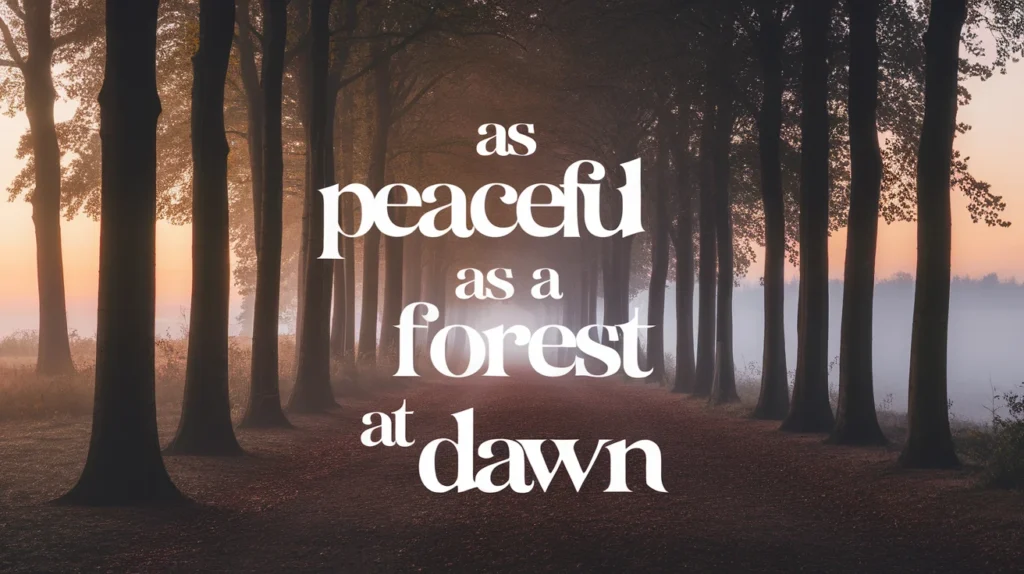
As Peaceful as a Forest at Dawn
Meaning
Describes the quiet serenity of fall mornings.
Usage Insight
Perfect for calm and reflective scenes.
Examples
- The countryside was as peaceful as a forest at dawn.
- The morning felt as peaceful as a forest at dawn.
Like Amber Jewels Scattered Across the Ground
Meaning
Represents fallen autumn leaves.
Usage Insight
Excellent for vivid nature descriptions.
Examples
- The leaves lay like amber jewels scattered across the ground.
- The trail sparkled like amber jewels scattered across the ground.
As Crisp as an Apple Fresh from the Orchard
Meaning
Describes the cool, refreshing feeling of autumn air.
Usage Insight
Ideal for sensory descriptions.
Examples
- The air was as crisp as an apple fresh from the orchard.
- The evening breeze felt as crisp as an apple fresh from the orchard.
Like a Storybook Turning Its Pages
Meaning
Represents the changing seasons and passage of time.
Usage Insight
Useful for symbolic and reflective writing.
Examples
- Autumn arrived like a storybook turning its pages.
- The year unfolded like a storybook turning its pages.
As Bright as a Harvest Moon
Meaning
Suggests beauty, warmth, and seasonal charm.
Usage Insight
Perfect for describing autumn nights.
Examples
- The sky was as bright as a harvest moon.
- Her eyes shone as bright as a harvest moon.
Like Firelight Flickering in the Darkness
Meaning
Represents warmth and comfort during cooler days.
Usage Insight
Excellent for cozy autumn imagery.
Examples
- The cabin glowed like firelight flickering in the darkness.
- Their friendship felt like firelight flickering in the darkness.
As Gentle as Leaves Settling on the Earth
Meaning
Describes quiet and graceful movement.
Usage Insight
Ideal for peaceful scenes and emotional writing.
Examples
- Her words were as gentle as leaves settling on the earth.
- The afternoon passed as gentle as leaves settling on the earth.
Like a River Reflecting Autumn Colors

Meaning
Represents beauty, calmness, and reflection.
Usage Insight
Works well in poetic descriptions.
Examples
- The landscape stretched like a river reflecting autumn colors.
- His memories flowed like a river reflecting autumn colors.
As Rich as Cinnamon and Spice
Meaning
Suggests the comforting aromas and flavors of fall.
Usage Insight
Perfect for seasonal descriptions.
Examples
- The bakery smelled as rich as cinnamon and spice.
- The festival felt as rich as cinnamon and spice.
Like an Old Tree Sharing Its Wisdom
Meaning
Represents maturity, reflection, and life’s lessons.
Usage Insight
Excellent for literary and symbolic writing.
Examples
- Autumn stood like an old tree sharing its wisdom.
- The season felt like an old tree sharing its wisdom.
As Beautiful as Sunset Through Autumn Branches
Meaning
Describes the breathtaking beauty of fall.
Usage Insight
Ideal for memorable and emotional imagery.
Examples
- The evening was as beautiful as sunset through autumn branches.
- The view looked as beautiful as sunset through autumn branches.
How to Use Similes Effectively in Writing
Similes can make autumn descriptions more vivid and emotionally engaging when used thoughtfully.
- Choose comparisons that match the mood of your writing.
- Use nature similes to create strong sensory imagery.
- Avoid overusing similes in a single paragraph.
- Create original comparisons whenever possible.
- Match the simile to the emotion you want to express.
- In poems, similes can strengthen imagery and symbolism.
- In stories, they help create atmosphere and setting.
- In essays, they can clarify abstract ideas.
- In songs, similes make lyrics more memorable.
- Always ensure the comparison enhances the meaning.
FAQs
What are similes for fall?
Similes for fall are comparisons that use “like” or “as” to describe autumn’s colors, weather, emotions, and seasonal beauty.
What is an example of a simile for fall?
An example is: “The leaves drifted as gently as feathers falling from the sky.”
What is the difference between a simile and a metaphor?
A simile compares two things using “like” or “as,” while a metaphor makes a direct comparison without using those words.
Why are similes important in creative writing?
Similes create vivid imagery, improve emotional impact, and make descriptions more memorable for readers.
Can similes be used in academic writing?
Yes. Similes can be used carefully to explain ideas and make concepts easier to understand.
Conclusion
Similes for fall are powerful tools that help writers capture the colors, emotions, and beauty of autumn through vivid comparisons. Whether fall is described as colorful as a painter’s canvas, like leaves dancing in the wind, or as peaceful as a forest at dawn, these similes bring the season to life in memorable ways. By using thoughtful and creative figurative language examples, writers can add depth, imagery, and emotional richness to poems, stories, essays, and songs. The best similes for fall celebrate the season’s unique blend of beauty, change, and reflection. Keep exploring new comparisons, and you’ll discover endless ways to express the magic of autumn through words.