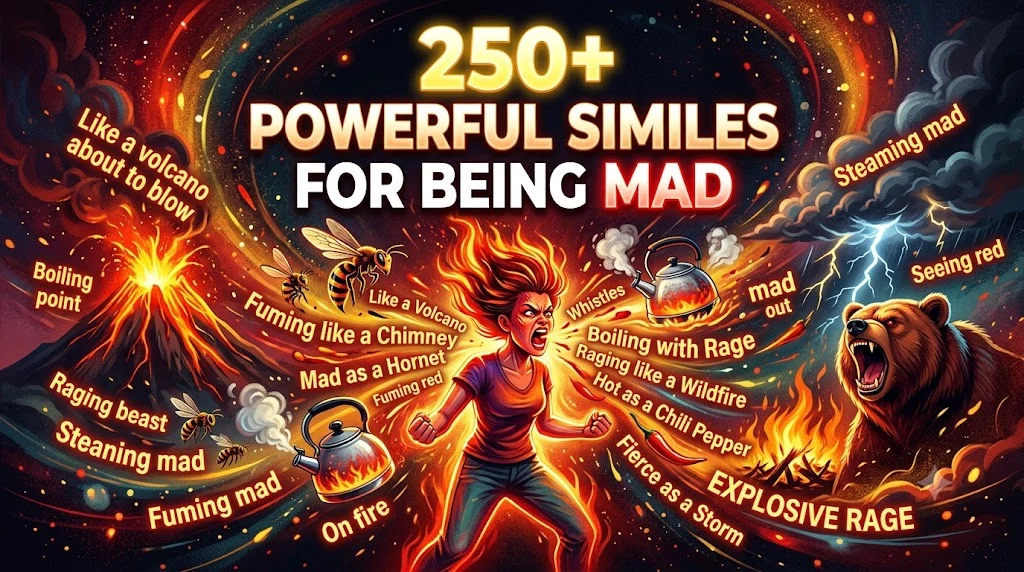
Anger is one of the strongest emotions . Choosing the right words to express it can make writing more impactful. A great way to show strong feelings is with similes. They compare two different things using “like” or “as.” Similes are key to figurative language. They paint clear pictures in our minds, helping readers connect with emotions better.
Writers often use nature, animals, weather, and everyday life for comparisons. This makes their descriptions more memorable. Trees symbolise strength, growth, resilience, wisdom, and human emotion. That’s why they often appear in literature and creative writing. Storms, fire, volcanoes, and roaring oceans often show anger and frustration
A good simile can make your story, poem, essay, speech, or song feel real and relatable. In this guide, you’ll find strong similes for expressing anger. It includes their meanings, tips on how to use them, and examples to enhance your writing.
What Is a Simile?
A simile is a figure of speech that compares two different things using “like” or “as“. Similes make descriptions more colourful, engaging, and easier to imagine.
Example:
He was as angry as a volcano ready to erupt.
This comparison lets readers see anger as strong, explosive, and hard to control.
As Furious as a Volcano Ready to Erupt
Meaning
This simile describes intense anger that is about to burst out.
Usage Insight
Use it when describing someone struggling to control overwhelming frustration or rage.
Examples
- Jake stood as furious as a volcano ready to erupt after hearing the unfair decision
- She looked as furious as a volcano ready to erupt but remained silent
Like a Storm Breaking Across the Sea
Meaning
This comparison represents sudden, overwhelming anger.
Usage Insight
Perfect for emotional scenes where feelings escalate to an intensity.
Examples
- His temper arrived like a storm breaking across the sea
- The argument spread through the room like a storm breaking across the sea
As Hot as Blazing Fire
Meaning
This simile emphasises burning anger and emotional intensity.
Usage Insight
Use it when describing visible frustration or rage.
Examples
- Her face became as hot as a blazing fire after the insult
- He felt as hot as a blazing fire whenever the topic came up
Like a Lion Defending Its Pride
Meaning
This simile highlights protective anger and fearless determination.
Usage Insight
Ideal for describing someone defending loved ones or important values.
Examples
- She fought like a lion defending its pride when critics targeted her family
- The coach reacted like a lion defending its pride after the unfair call
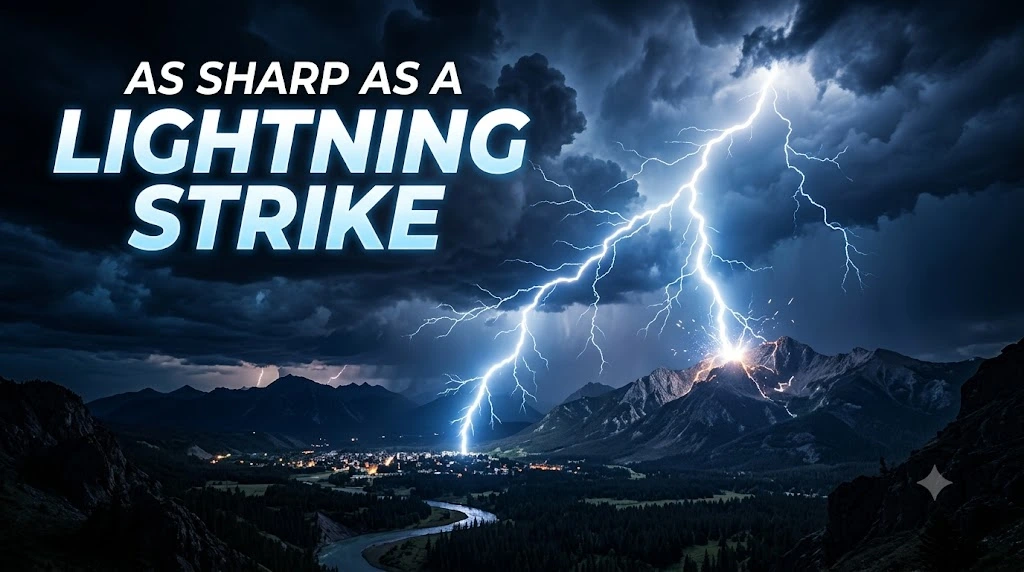
As Sharp as a Lightning Strike
Meaning
This comparison describes anger that emerges with intensity and force.
Usage Insight
Best for fast-paced stories and dramatic dialogue.
Examples
- His response was as sharp as a lightning strike
- Her anger arrived as sharp as a lightning strike, surprising everyone
Like a Pressure Cooker About to Burst
Meaning
This simile describes emotions building up over time before they explode.
Usage Insight
Excellent for characters who suppress their frustration.
Examples
- He felt like a pressure cooker about to burst during the stressful meeting
- Months of frustration left her like a pressure cooker about to burst
As Wild as a Forest Fire
Meaning
This comparison symbolises anger spreading with intensity and becoming difficult to control.
Usage Insight
Use it for dramatic scenes involving conflict or heated arguments.
Examples
- The crowd became as wild as a forest fire after the announcement
- His temper spread like a forest fire, affecting everyone nearby.
Like Thunder Shaking the Mountains
Meaning
This simile emphasises loud, powerful expressions of anger.
Usage Insight
Perfect for describing shouting, arguments, or commanding voices.
Examples
- His voice echoed like thunder, shaking the mountains
- The teacher’s anger sounded like thunder shaking the mountains throughout the classroom
next
As Fierce as a Cornered Wolf
Meaning
This simile describes a person who becomes very angry when they feel trapped, threatened, or forced to defend themselves.
Usage Insight
Use this simile in action scenes, emotional confrontations, or when a character feels intense pressure.
Examples
- He became as fierce as a cornered wolf when someone threatened his family
- The athlete fought back with the intensity of a cornered wolf after facing unfair criticism.
Like Boiling Water in a Kettle
Meaning
This comparison illustrates anger that builds gradually until it becomes impossible to contain.
Usage Insight
It works well for describing frustration that grows over time instead of appearing suddenly.
Examples
- Her frustration rose like boiling water in a kettle during the long meeting
- He stayed calm at first, but his anger built like boiling water in a kettle
As Restless as the Wind Before a Storm
Meaning
This simile expresses the tense feeling that comes just before anger is openly expressed.
Usage Insight
Perfect for creating suspense before an argument or emotional outburst.
Examples
- He paced the room as restless as the wind before a storm
- She felt as restless as the wind before a storm, knowing a confrontation was coming
Like Waves Crashing Against the Rocks
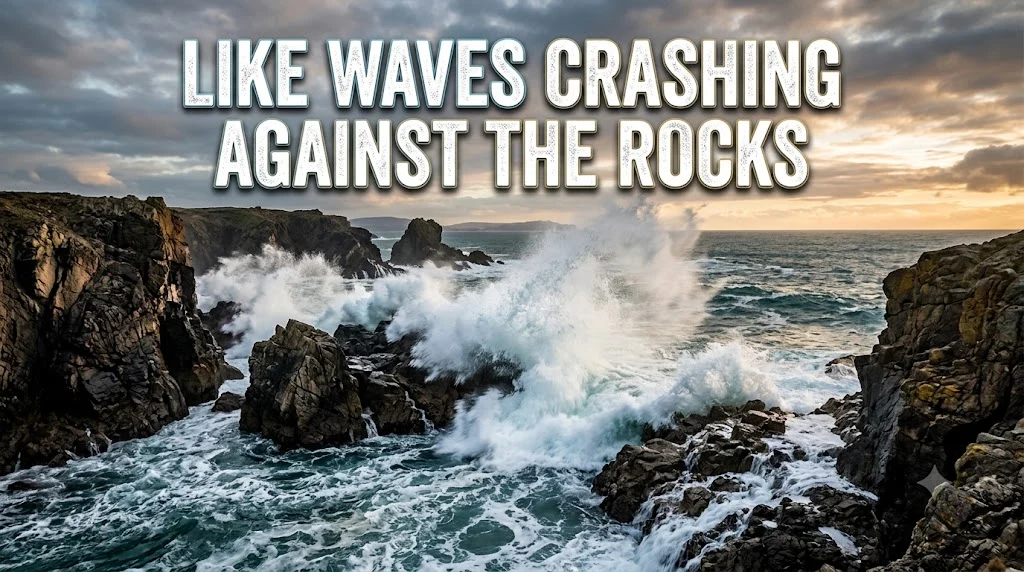
Meaning
This comparison represents repeated bursts of anger that keep returning.
Usage Insight
Use it to describe lingering frustration or recurring conflicts.
Examples
- His emotions came like waves crashing against the rocks, one after another.
- Their arguments returned like waves crashing against the rocks every weekend.
As Explosive as Fireworks in the Night Sky
Meaning
This simile describes anger that erupts suddenly and dramatically.
Usage Insight
Ideal for scenes with unexpected emotional reactions or heated exchanges.
Examples
- His temper became as explosive as fireworks in the night sky.
- The disagreement turned as explosive as fireworks in the night sky within minutes.
Like a Bull Charging Forward
Meaning
This simile emphasizes unstoppable determination fueled by anger.
Usage Insight
Use it when a character acts without hesitation because of strong emotions.
Examples
- He rushed into the debate like a bull charging forward.
- She confronted the bully like a bull charging forward, refusing to back down.
As Intense as the Midday Sun
Meaning
This comparison describes anger that feels overwhelming and impossible to ignore.
Usage Insight
Best for emotional writing where the strength of a character’s feelings needs to be emphasized.
Examples
- His frustration burned as intense as the midday sun.
- The coach’s disappointment felt as intense as the midday sun after the defeat.
How to Use Similes Effectively in Writing
Similes make emotions easier to understand by connecting them with familiar images. To use them effectively:
- Choose comparisons that readers can immediately visualize.
- Match the simile to the emotional tone of your writing.
- Avoid using too many similes in a single paragraph.
- Draw inspiration from nature, weather, animals, and everyday experiences.
- In poems, use similes to create rhythm and emotional depth.
- In stories, reveal a character’s feelings through vivid comparisons instead of simply stating emotions.
- In essays, use similes sparingly to make descriptions clearer and more engaging.
- Songwriters can use similes to create memorable lyrics and emotional impact.
- Read literature to see how skilled authors naturally use figurative language.
- Revise your similes so they sound fresh, natural, and appropriate for the context.
FAQs
What are the best similes for being mad?
Some powerful examples include as furious as a volcano ready to erupt, like a storm breaking across the sea, as wild as a forest fire, like a pressure cooker about to burst, and as fierce as a cornered wolf.
What is the difference between a simile and a metaphor?
A simile compares two things using like or as, while a metaphor makes a direct comparison without those words.
Simile: He was as angry as a volcano.
Metaphor: He was a volcano of anger.
Why are nature similes effective for expressing anger?
Nature provides powerful images such as storms, fire, lightning, oceans, and volcanoes that naturally reflect strong emotions, making anger easier for readers to imagine.
Can similes improve creative writing?
Yes. Similes create vivid imagery, strengthen emotional impact, and help readers connect with characters and scenes in stories, poems, essays, and songs.
Are similes suitable for academic writing?
Yes. Similes are appropriate in literature analysis, descriptive essays, and creative writing assignments. In formal academic writing, they should be used thoughtfully and only when they improve clarity.
Conclusion
Using Powerful Similes for Being Mad allows writers to transform ordinary descriptions of anger into memorable and emotionally rich imagery. Whether someone is as furious as a volcano ready to erupt, like a storm breaking across the sea, or as fierce as a cornered wolf, these comparisons make emotions easier to see and feel. Similes are an essential part of figurative language because they add clarity, creativity, and emotional depth to writing. By choosing original and meaningful comparisons, you can enhance poems, stories, essays, speeches, songs, and everyday descriptions. The most effective writing doesn’t simply say a character is angry—it helps readers experience that emotion through vivid, unforgettable imagery.