Anger is one of the most intense and universal human emotions. It can appear as a brief spark of frustration, a steady feeling of resentment, or a powerful burst of rage. Because anger is such a complex emotion, writers often use similes to describe it in vivid and memorable ways. Similes compare two different things using the words “like” or “as,” helping readers understand feelings, actions, and situations through familiar images.
They are an essential part of figurative language because they add color, emotion, and depth to writing. Whether used in stories, poems, speeches, or essays, similes make emotional descriptions more engaging and relatable. Nature offers many powerful comparisons for anger, from storms and volcanoes to wildfires and crashing waves.
Trees are also meaningful symbols of strength, growth, resilience, wisdom, and human emotion, often standing firm through fierce storms much like people endure emotional challenges. In this guide, you’ll discover creative similes for anger, complete with meanings, examples, and practical tips to make your writing more expressive and impactful.
What Is a Simile?
A simile is a figure of speech that compares two different things using the words “like” or “as.” Writers use similes to create vivid imagery and help readers better understand emotions, actions, and experiences.
Example:
He was as angry as a volcano ready to erupt.
This simile helps readers instantly imagine intense and explosive anger.
As Angry as a Volcano Ready to Erupt
Meaning
Describes intense anger that is about to burst out.
Usage Insight
Perfect for moments when emotions are barely under control.
Examples
- He stood as angry as a volcano ready to erupt.
- The manager looked as angry as a volcano ready to erupt after hearing the news.
Like a Thunderstorm Rolling Across the Horizon
Meaning
Represents anger that grows steadily and powerfully.
Usage Insight
Works well when describing increasing frustration.
Examples
- Her anger spread like a thunderstorm rolling across the horizon.
- The argument grew like a thunderstorm rolling across the horizon.
As Furious as a Wildfire in Dry Grass
Meaning
Suggests fast-spreading and uncontrollable anger.
Usage Insight
Ideal for emotional and dramatic scenes.
Examples
- His temper became as furious as a wildfire in dry grass.
- Rumors sparked anger as furious as a wildfire in dry grass.
Like Waves Crashing Against Rocky Cliffs
Meaning
Represents repeated bursts of anger.
Usage Insight
Useful when describing ongoing frustration.
Examples
- Her complaints came like waves crashing against rocky cliffs.
- His anger returned like waves crashing against rocky cliffs.
As Hot as Lava Beneath a Mountain
Meaning
Describes hidden anger waiting to emerge.
Usage Insight
Perfect for characters suppressing their emotions.
Examples
- She remained silent but was as hot as lava beneath a mountain.
- His resentment stayed as hot as lava beneath a mountain.
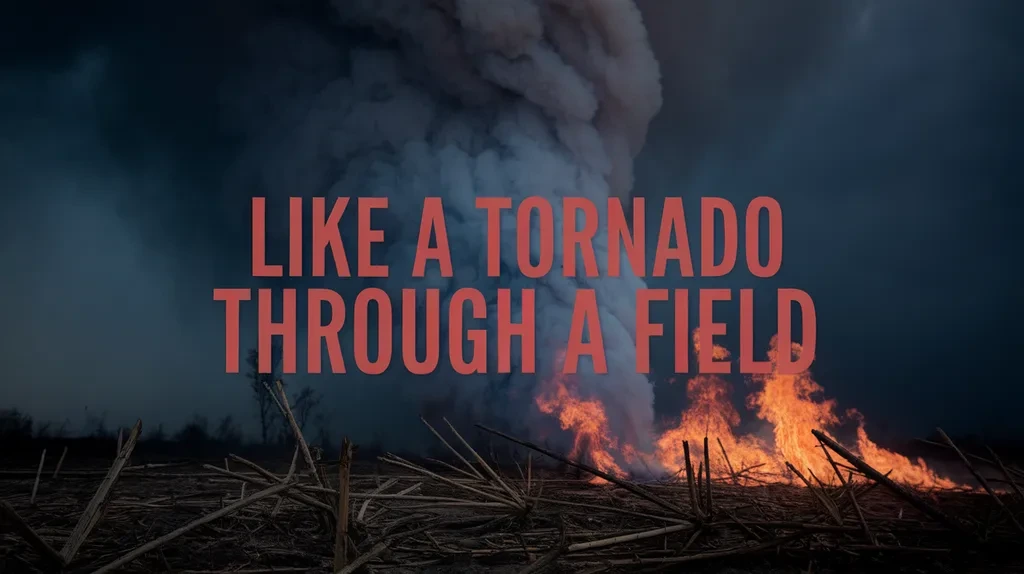
Like a Tornado Tearing Through a Field
Meaning
Suggests destructive and chaotic anger.
Usage Insight
Best for intense emotional situations.
Examples
- His rage swept through the room like a tornado tearing through a field.
- The dispute escalated like a tornado tearing through a field.
As Fierce as Lightning Striking a Tree
Meaning
Represents sudden and powerful anger.
Usage Insight
Excellent for unexpected emotional reactions.
Examples
- Her response was as fierce as lightning striking a tree.
- His anger arrived as fierce as lightning striking a tree.
Like a Caged Tiger Pacing Restlessly
Meaning
Describes controlled but visible anger.
Usage Insight
Ideal for tension-filled scenes.
Examples
- He waited like a caged tiger pacing restlessly.
- The athlete looked like a caged tiger pacing restlessly before the match.
As Sharp as a Storm Wind
Meaning
Represents anger expressed through harsh words.
Usage Insight
Useful for dialogue and confrontations.
Examples
- Her criticism was as sharp as a storm wind.
- His voice became as sharp as a storm wind.
Like a River Breaking Through a Dam
Meaning
Describes anger that can no longer be contained.
Usage Insight
Perfect for emotional outbursts.
Examples
- His frustration exploded like a river breaking through a dam.
- The crowd’s anger spread like a river breaking through a dam.
As Relentless as Rain During a Monsoon
Meaning
Represents continuous and overwhelming anger.
Usage Insight
Works well for prolonged emotional conflicts.
Examples
- Her complaints were as relentless as rain during a monsoon.
- The public outrage became as relentless as rain during a monsoon.
Like Embers Glowing Beneath Ashes
Meaning
Suggests hidden anger that still exists.
Usage Insight
Excellent for subtle emotional descriptions.
Examples
- His anger lingered like embers glowing beneath ashes.
- Old resentments remained like embers glowing beneath ashes.
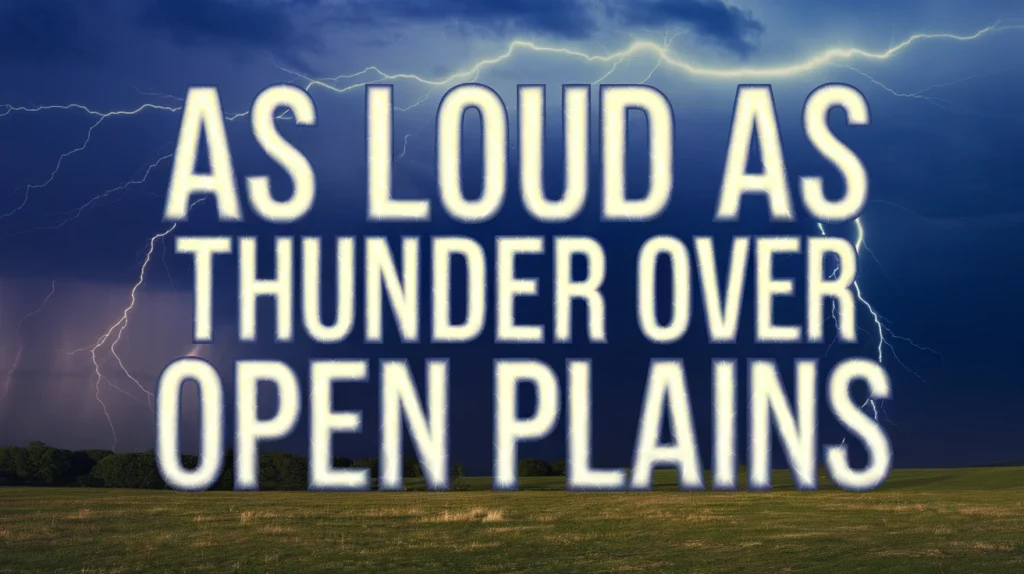
As Loud as Thunder Over Open Plains
Meaning
Represents openly expressed anger.
Usage Insight
Perfect for arguments and confrontations.
Examples
- His voice was as loud as thunder over open plains.
- The coach’s frustration sounded as loud as thunder over open plains.
Like a Storm Shaking an Ancient Oak
Meaning
Describes anger that tests patience and resilience.
Usage Insight
Useful for emotional and symbolic writing.
Examples
- The criticism hit him like a storm shaking an ancient oak.
- Their disagreement felt like a storm shaking an ancient oak.
As Unpredictable as a Volcano’s Smoke
Represents anger that appears without warning.
Usage Insight
Meaning
Ideal for describing volatile personalities.
Examples
- His temper was as unpredictable as a volcano’s smoke.
- The situation became as unpredictable as a volcano’s smoke.
How to Use Similes Effectively in Writing
Similes can make descriptions of anger more vivid and emotionally powerful when used thoughtfully.
- Choose comparisons that clearly match the intensity of the emotion.
- Use nature similes to create strong visual imagery.
- Avoid overusing common clichés.
- Create original comparisons whenever possible.
- Match the simile to the tone of your writing.
- In poems, similes can deepen emotional expression.
- In stories, they help readers understand characters’ feelings.
- In essays, similes can clarify emotional concepts.
- In songs, similes create memorable and relatable lyrics.
- Always ensure the comparison enhances the meaning.
FAQs
What are similes for anger?
Similes for anger are comparisons that use “like” or “as” to describe feelings of frustration, rage, irritation, or fury.
What is an example of a simile for anger?
A common example is: “He was as angry as a volcano ready to erupt.”
What is the difference between a simile and a metaphor?
A simile compares two things using “like” or “as,” while a metaphor makes a direct comparison without using those words.
Why are similes important in creative writing?
Similes create vivid imagery, strengthen emotional impact, and help readers connect with the text.
Can similes be used in academic writing?
Yes. Similes can be used carefully to explain concepts, emotions, and ideas more clearly.
Conclusion
Similes for anger are powerful tools that help writers transform strong emotions into vivid and memorable imagery. Whether anger is described as a volcano ready to erupt, a thunderstorm rolling across the horizon, or embers glowing beneath ashes, these comparisons allow readers to feel the intensity of the emotion. By using thoughtful and creative similes, writers can add clarity, emotion, and depth to poems, stories, essays, speeches, and songs. The best similes for anger capture not only the strength of the feeling but also its complexity, making language more expressive and engaging. Keep exploring new comparisons, and you’ll discover endless ways to bring emotional experiences to life through words.