
Words are powerful, but the way people speak can reveal even more than the words themselves. This is where similes become valuable tools in writing. Similes help readers imagine voices, emotions, and reactions through vivid comparisons. As an important part of figurative language, similes make dialogue more expressive and memorable.
Writers often use similes to replace plain descriptions and create stronger emotional connections with readers. Nature provides many excellent sources of inspiration for similes because natural images are easy to understand and rich in meaning.
Trees, in particular, symbolize strength, growth, resilience, wisdom, and human emotion, making them perfect subjects for creative comparisons. By learning and using effective similes for said, writers can transform ordinary dialogue into engaging and colorful storytelling.
What Is a Simile?
A simile is a figure of speech that compares two different things using the words “like” or “as.” It helps readers understand an idea by connecting it to something familiar.
Example:
She said the words as softly as falling snow.
This simile creates a clear image and helps readers imagine the gentle tone of her voice.
As Soft as Falling Snow
Meaning: Spoken in a very gentle and quiet manner.
Usage Insight: Works best when describing kindness, comfort, or tenderness.
Examples:
- She spoke as soft as falling snow while comforting her friend.
- His words drifted out as soft as falling snow.
Like a Bird Singing at Dawn
Meaning: Spoken cheerfully and pleasantly.
Usage Insight: Ideal for happy conversations and joyful characters.
Examples:
- She said hello like a bird singing at dawn.
- The child answered like a bird singing at dawn.
As Sharp as a Winter Wind
Meaning: Spoken harshly or critically.
Usage Insight: Useful for tense scenes and strong emotions.
Examples:
- Her reply was as sharp as a winter wind.
- He spoke as sharp as a winter wind during the argument.
Like Leaves Rustling in the Breeze
Meaning: Spoken quietly and naturally.
Usage Insight: Perfect for calm and peaceful dialogue.
Examples:
- Their conversation flowed like leaves rustling in the breeze.
- She answered like leaves rustling in the breeze.
As Clear as a Mountain Stream
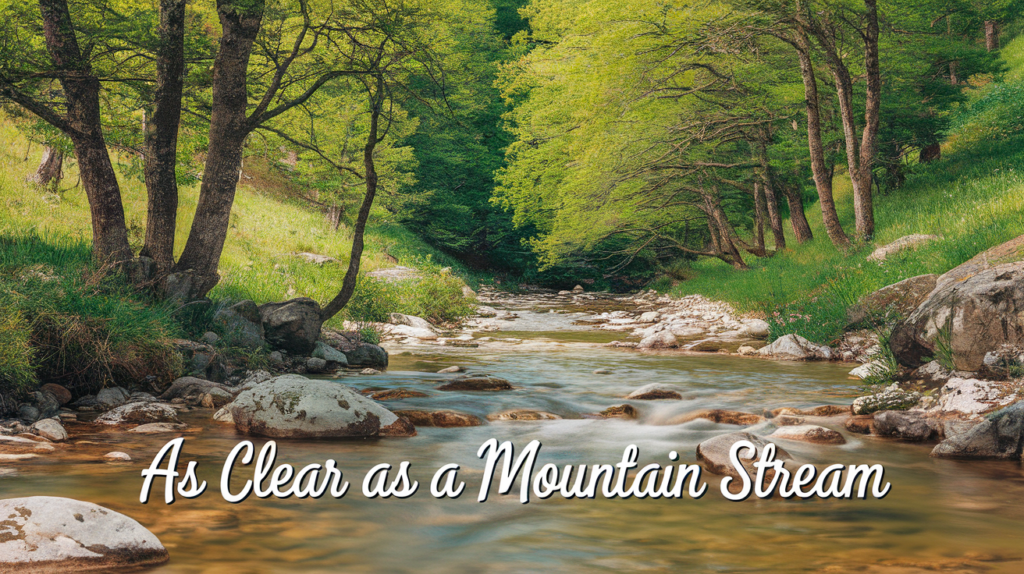
Meaning: Spoken with clarity and honesty.
Usage Insight: Excellent when emphasizing truthfulness.
Examples:
- His explanation was as clear as a mountain stream.
- She spoke as clear as a mountain stream during the meeting.
Like Thunder Rolling Across the Sky
Meaning: Spoken loudly and powerfully.
Usage Insight: Effective for speeches and dramatic scenes.
Examples:
- His voice rang out like thunder rolling across the sky.
- The coach spoke like thunder rolling across the sky.
As Gentle as a Tree Swaying in Summer
Meaning: Spoken with patience and warmth.
Usage Insight: Great for caring or nurturing characters.
Examples:
- She spoke as gentle as a tree swaying in summer.
- His advice came as gentle as a tree swaying in summer.
Like Rain Falling on Dry Earth
Meaning: Spoken in a comforting and welcome way.
Usage Insight: Useful for emotional or healing moments.
Examples:
- Her words felt like rain falling on dry earth.
- His encouragement arrived like rain falling on dry earth.
As Bright as Morning Sunlight
Meaning: Spoken with positivity and energy.
Usage Insight: Best for optimistic dialogue.
Examples:
- She greeted everyone as bright as morning sunlight.
- His voice sounded as bright as morning sunlight.
Like an Owl Sharing Wisdom
Meaning: Spoken thoughtfully and intelligently.
Usage Insight: Perfect for advice or meaningful discussions.
Examples:
- The teacher spoke like an owl sharing wisdom.
- Her comments came like an owl sharing wisdom.
As Calm as a Still Lake
Meaning: Spoken without anger or anxiety.
Usage Insight: Effective in stressful situations where composure matters.
Examples:
- He answered as calm as a still lake.
- She remained as calm as a still lake during the interview.
Like a Candle Lighting a Dark Room

Meaning: Spoken in an inspiring way.
Usage Insight: Ideal for motivational writing.
Examples:
- His words spread hope like a candle lighting a dark room.
- She spoke like a candle lighting a dark room.
As Warm as Sunshine Through Branches
Meaning: Spoken with affection and kindness.
Usage Insight: Great for family and friendship scenes.
Examples:
- Her greeting was as warm as sunshine through branches.
- He spoke as warm as sunshine through branches.
Like Waves Gently Reaching the Shore
Meaning: Spoken smoothly and rhythmically.
Usage Insight: Useful for elegant and flowing dialogue.
Examples:
- Her voice moved like waves gently reaching the shore.
- He spoke like waves gently reaching the shore.
As Steady as an Ancient Oak
Meaning: Spoken confidently and reliably.
Usage Insight: Excellent for leaders and dependable characters.
Examples:
- The captain’s words were as steady as an ancient oak.
- She answered as steady as an ancient oak.
Like Stars Appearing After Sunset
Meaning: Spoken with beauty and inspiration.
Usage Insight: Perfect for memorable dialogue and emotional moments.
Examples:
- Her words appeared like stars after sunset.
- His speech unfolded like stars appearing after sunset.
How to Use Similes Effectively in Writing
Strong similes can make dialogue more engaging and realistic. Consider these tips:
- Choose comparisons that fit the mood and character.
- Use nature similes to create vivid imagery.
- Avoid forcing comparisons that feel unnatural.
- Keep similes fresh and original whenever possible.
- Use similes in poems to add rhythm and emotion.
- Include similes in stories to deepen characterization.
- Apply similes carefully in essays to clarify ideas.
- Use them in songs to create memorable lyrics.
- Balance figurative language with straightforward writing.
- Read similes in literature to learn from experienced authors.
FAQs
What are similes for said?
Similes for said are comparisons that describe how someone speaks using “like” or “as” to create stronger imagery and emotional meaning.
What is the difference between a simile and a metaphor?
A simile uses words such as “like” or “as” to compare two things, while a metaphor makes a direct comparison without those words.
Why should writers use similes for said?
They help readers visualize tone, emotion, volume, and attitude more effectively than simple dialogue tags.
Can similes be used in academic writing?
Yes, when used sparingly and appropriately, similes can clarify ideas and improve readability.
Are similes important in creative writing?
Absolutely. Similes add color, imagery, emotion, and depth to stories, poems, and other creative works.
Conclusion
Similes for said allow writers to move beyond ordinary dialogue and create richer, more engaging communication on the page. Whether a voice is as gentle as a summer breeze, as steady as an ancient oak, or as powerful as thunder across the sky, similes help readers hear and feel every word. These figurative language examples strengthen descriptions, improve emotional impact, and make writing more memorable. By using thoughtful comparisons inspired by nature, literature, and everyday experiences, writers can bring dialogue to life in ways that resonate deeply with readers. Mastering similes for said is a simple yet powerful step toward more expressive and effective writing.