
Fear is one of the most powerful emotions in human experience, and writers often use similes to describe it in vivid and memorable ways. Similes help readers picture scenes, understand emotions, and connect with stories on a deeper level. As an essential part of figurative language, similes make writing more colorful, expressive, and engaging.
Whether you are writing a poem, a short story, a novel, or an essay, similes can transform ordinary descriptions into unforgettable images. They allow readers to feel suspense, tension, and mystery through creative comparisons. Nature often inspires some of the most effective similes because natural elements evoke strong emotions and visual imagery.
Trees, for example, are powerful symbols of strength, growth, resilience, wisdom, and human emotion, appearing throughout literature and storytelling. In this guide, you will discover some of the best similes for scary things, complete with meanings, usage tips, and examples that can elevate your writing.
What Is a Simile?
A simile is a figure of speech that compares two different things using the words “like” or “as.” These comparisons help readers better understand a description by connecting it to something familiar.
Example:
The old house was as scary as a graveyard at midnight.
This simile creates a vivid image by comparing the frightening atmosphere of a house to a dark and eerie graveyard.
As Scary as a Shadow That Refuses to Leave
Meaning
Describes a persistent feeling of fear or unease that lingers.
Usage Insight
This simile works well when describing suspenseful situations or lasting anxiety.
Example Sentences
- The memory of the accident was as scary as a shadow that refuses to leave.
- The strange feeling in the room lingered like a shadow that followed every step.
As Scary as a Forest Whispering at Midnight
Meaning
Represents mysterious and unsettling fear.
Usage Insight
Perfect for horror stories and atmospheric descriptions.
Example Sentences
- The silence was as scary as a forest whispering at midnight.
- The abandoned trail felt as frightening as a woodland speaking in the dark.
As Scary as Lightning Behind Dark Clouds
Meaning
Suggests danger that may strike unexpectedly.
Usage Insight
Useful when building tension and anticipation.
Example Sentences
- His threat was as scary as lightning behind dark clouds.
- The situation felt as dangerous as a storm waiting to break.
As Scary as Footsteps in an Empty Hallway
Meaning
Describes fear caused by uncertainty or the unknown.
Usage Insight
Ideal for suspenseful scenes and mystery writing.
Example Sentences
- The sound was as scary as footsteps in an empty hallway.
- She froze when she heard a noise as frightening as unseen footsteps.
As Scary as Eyes Watching From the Darkness
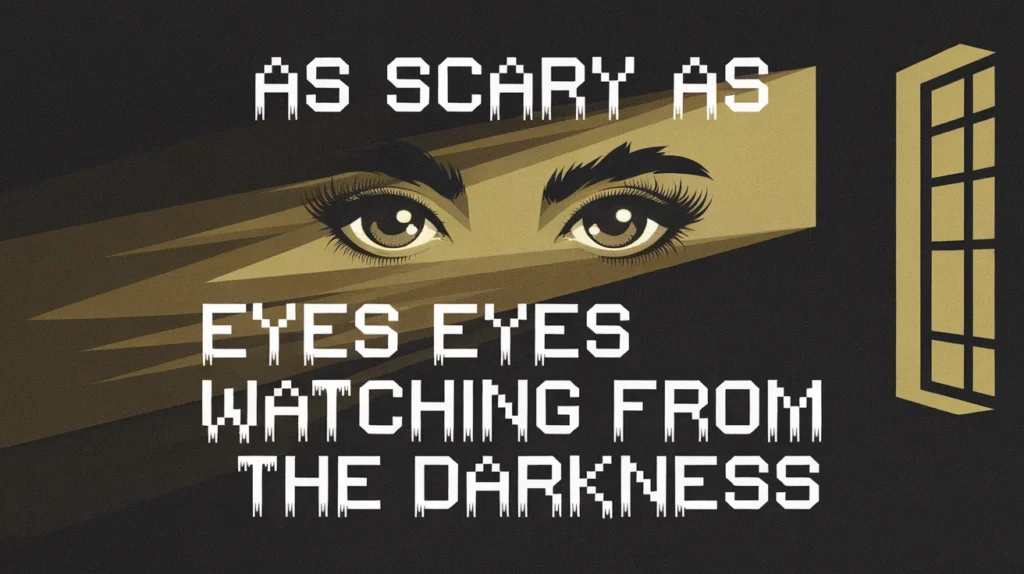
Meaning
Represents the fear of being observed or followed.
Usage Insight
Excellent for thrillers and horror fiction.
Example Sentences
- The woods felt as scary as eyes watching from the darkness.
- He sensed a presence as unsettling as unseen eyes staring at him.
As Scary as a Storm Rising Over the Sea
Meaning
Suggests growing fear and approaching danger.
Usage Insight
Works well when tension gradually increases.
Example Sentences
- The mood in the room became as scary as a storm rising over the sea.
- Their argument felt as threatening as waves before a hurricane.
As Scary as a Door Opening by Itself
Meaning
Describes sudden and unexplained fear.
Usage Insight
Perfect for supernatural and ghost-themed writing.
Example Sentences
- The event was as scary as a door opening by itself.
- The unexpected movement felt as eerie as a haunted doorway.
As Scary as a Wolf Crying in the Distance
Meaning
Represents isolation and lurking danger.
Usage Insight
A powerful nature simile for wilderness settings.
Example Sentences
- The night sounded as scary as a wolf crying in the distance.
- The lonely valley felt as unsettling as a distant howl.
As Scary as a Tree Reaching Through Thick Fog
Meaning
Creates an image of mystery and uncertainty.
Usage Insight
Useful in descriptive and atmospheric writing.
Example Sentences
- The silhouette appeared as scary as a tree reaching through thick fog.
- The landscape looked as eerie as branches emerging from mist.
As Scary as a Cave With No Light
Meaning
Describes overwhelming fear and uncertainty.
Usage Insight
Works well for emotional and psychological descriptions.
Example Sentences
- The future seemed as scary as a cave with no light.
- His confusion felt as frightening as wandering underground in darkness.
As Scary as a Crow Calling at Dusk
Meaning
Suggests an ominous warning or bad omen.
Usage Insight
Ideal for gothic and literary writing.
Example Sentences
- The sound was as scary as a crow calling at dusk.
- The lonely cry echoed through the fields like a warning.
As Scary as Waves Crashing in Total Darkness
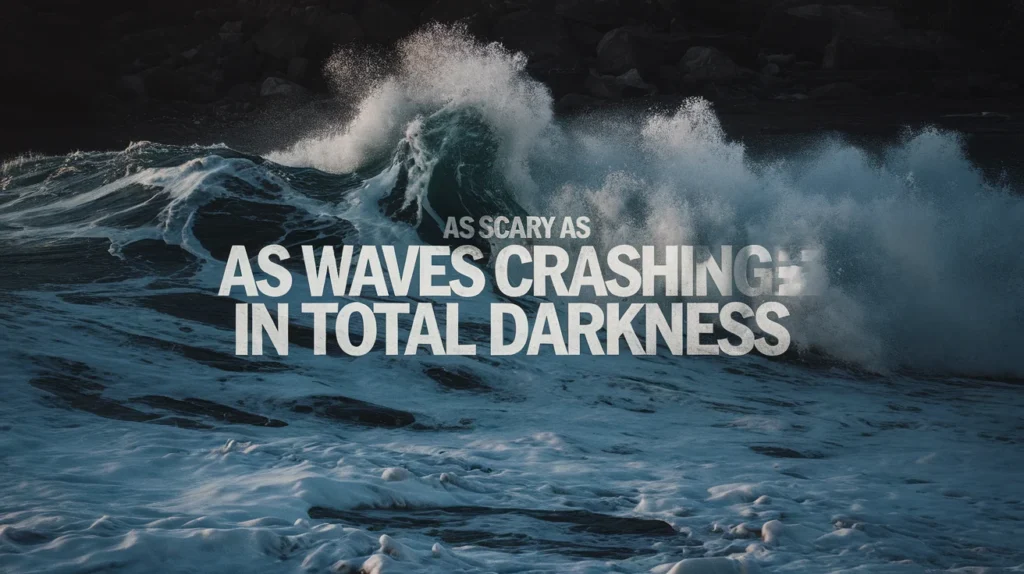
Meaning
Represents unseen power and unpredictable danger.
Usage Insight
Effective for dramatic nature descriptions.
Example Sentences
- The ocean sounded as scary as waves crashing in total darkness.
- The threat felt as powerful as unseen water striking the shore.
As Scary as an Empty Playground After Sunset
Meaning
Describes an oddly unsettling environment.
Usage Insight
Perfect for modern horror and suspense stories.
Example Sentences
- The deserted park looked as scary as an empty playground after sunset.
- The stillness made the place feel unusually eerie.
As Scary as a Whisper With No Source
Meaning
Represents unexplained and mysterious fear.
Usage Insight
Excellent for supernatural settings.
Example Sentences
- The voice sounded as scary as a whisper with no source.
- The faint sound felt as unsettling as words from nowhere.
As Scary as a Candle Dying in the Wind
Meaning
Suggests vulnerability and approaching danger.
Usage Insight
Useful when creating tension and uncertainty.
Example Sentences
- The room became as scary as a candle dying in the wind.
- Their hope seemed as fragile as a fading flame.
As Scary as Thunder Beneath the Ground
Meaning
Describes an unnatural and deeply unsettling fear.
Usage Insight
Works best when portraying extraordinary or unexpected events.
Example Sentences
- The strange rumble was as scary as thunder beneath the ground.
- The vibration felt as frightening as a storm trapped underground.
How to Use Similes Effectively in Writing
Poems
- Use emotional and vivid comparisons.
- Draw inspiration from nature and personal experiences.
- Focus on imagery that evokes strong feelings.
For Stories
- Match similes to the mood of the scene.
- Use comparisons to reveal character emotions.
- Avoid repeating similar imagery too often.
Essays
- Use similes sparingly to clarify ideas.
- Choose comparisons that strengthen understanding.
- Keep descriptions relevant and purposeful.
For Songs
- Create memorable images through relatable comparisons.
- Use similes to reinforce themes and emotions.
- Keep the language simple yet expressive.
Creative Descriptions
- Engage the senses through detailed imagery.
- Experiment with original comparisons.
- Balance creativity with clarity.
FAQs About Similes for Scary Things
What are similes for scary things?
Similes for scary things are comparisons that use “like” or “as” to describe fear, suspense, danger, or eerie situations in a vivid and imaginative way.
What is the difference between a simile and a metaphor?
A simile uses words such as “like” or “as” to compare two things, while a metaphor makes a direct comparison without using those words.
Why are similes important in horror writing?
Similes help readers visualize frightening scenes, understand emotions, and experience suspense more vividly.
Can similes be used in academic writing?
Yes. Similes can clarify complex concepts and make explanations easier to understand when used appropriately.
Are similes commonly used in literature?
Absolutely. Similes in literature help create imagery, establish mood, develop characters, and make descriptions more memorable.
Conclusion
Similes for scary things are powerful tools that help writers transform ordinary descriptions into vivid, memorable experiences. Whether comparing fear to a shadow that refuses to leave, a forest whispering at midnight, or waves crashing in darkness, these figurative language examples bring suspense and emotion to life. They enrich stories, poems, essays, songs, and creative descriptions by adding clarity, imagery, and emotional depth. By mastering these comparisons and exploring nature similes alongside literary techniques, writers can create scenes that captivate readers and leave a lasting impression. The right simile can turn a simple moment of fear into an unforgettable image that stays with readers long after they finish reading.