
Learning funny similes for kids is one of the easiest ways to make writing more colorful, creative, and enjoyable. A simile is a special type of comparison that helps readers imagine people, places, objects, and feelings more clearly. Similes are an important part of figurative language because they add vivid pictures and emotions to ordinary sentences.
Children often enjoy similes because they are playful, memorable, and easy to understand. Nature also gives us wonderful inspiration for creative comparisons, and trees are especially powerful symbols of strength, growth, resilience, wisdom, and human emotion. Just as a tree grows stronger through every season, good writing becomes stronger with creative language.
Whether you are writing stories, poems, essays, or classroom assignments, similes make your ideas more engaging and expressive. This guide will help you discover funny similes, understand how they work, and learn how to use them naturally in your own writing.
What Is a Simile?
A simile is a figure of speech that compares two different things using the words “like” or “as.” Similes help readers create clear mental images and make writing more interesting.
Example:
The puppy was as playful as a bouncing ball.
This comparison helps readers immediately imagine the puppy’s energetic personality.
As Silly as a Dancing Banana
Meaning
Describes someone acting in an extremely funny or goofy way.
When to Use It
This simile works well in humorous stories, classroom writing, or playful conversations.
Examples
- My little brother looked as silly as a dancing banana while wearing Dad’s oversized hat.
- The clown was as silly as a dancing banana and made everyone laugh.
As Busy as a Bee Wearing Roller Skates
Meaning
Describes someone who is constantly moving and staying active.
When to Use It
Perfect for showing excitement, energy, and fast-paced action.
Examples
- Emma was as busy as a bee wearing roller skates while preparing for the school fair.
- The classroom became as busy as a bee wearing roller skates before the science exhibition.
Like a Monkey Wearing Sunglasses
Meaning
Describes someone who looks amusing or unusually funny.
When to Use It
Great for adding humor to creative stories and children’s books.
Examples
- Jake looked like a monkey wearing sunglasses in his colorful costume.
- The puppy ran around like a monkey wearing sunglasses during the family picnic.
As Loud as Popcorn Popping
Meaning
Describes a person or place filled with cheerful noise.
When to Use It
Useful for lively scenes with children, celebrations, or games.
Examples
- The playground was as loud as popcorn popping during recess.
- Our birthday party became as loud as popcorn popping after the games started.
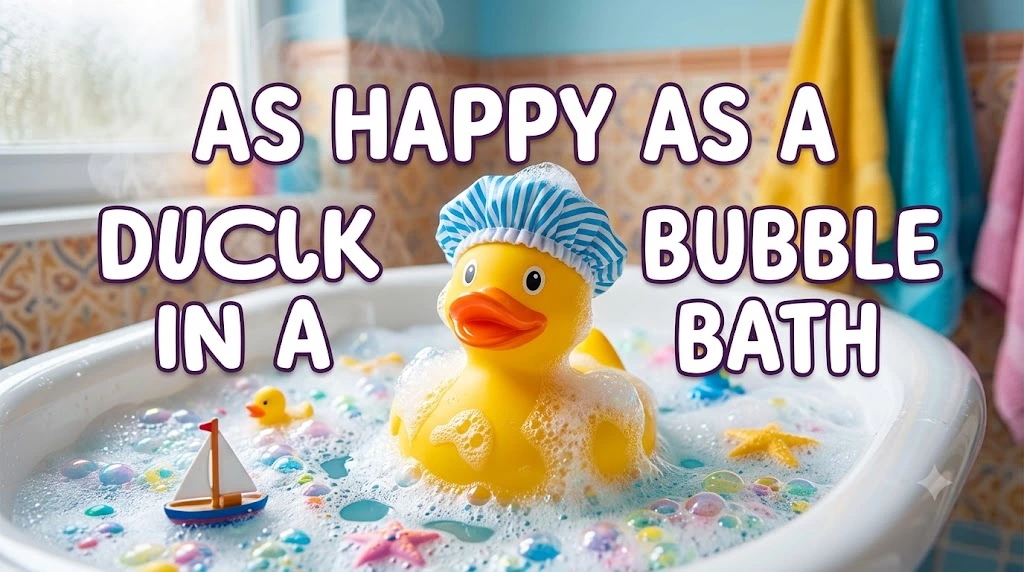
As Happy as a Duck in a Bubble Bath
Meaning
Shows someone feeling joyful and completely relaxed.
When to Use It
Excellent for positive emotions and cheerful storytelling.
Examples
- Mia looked as happy as a duck in a bubble bath after winning the contest.
- The children were as happy as a duck in a bubble bath during summer vacation.
Like a Penguin Learning to Dance
Meaning
Describes someone moving awkwardly but in an adorable way.
When to Use It
Ideal for funny moments involving dancing or learning new skills.
Examples
- I danced like a penguin learning to dance at the school party.
- Ben skated like a penguin learning to dance on his first day at the ice rink.
As Wiggly as a Bowl of Jelly
Meaning
Describes something constantly moving or shaking.
When to Use It
Works well for energetic children or nervous moments.
Examples
- The puppy was as wiggly as a bowl of jelly before dinner.
- My hands felt as wiggly as a bowl of jelly before the spelling competition.
Like a Goat on a Trampoline
Meaning
Describes someone bouncing around with endless excitement.
When to Use It
Perfect for energetic scenes in stories.
Examples
- Oliver jumped like a goat on a trampoline after hearing the good news.
- The children ran around like goats on a trampoline during sports day.
As Sleepy as a Koala After Lunch
Meaning
Describes someone who feels very tired.
When to Use It
Great for bedtime stories or describing lazy afternoons.
Examples
- I felt as sleepy as a koala after lunch after our long hike.
- Dad looked as sleepy as a koala after lunch while watching television.
Like a Squirrel Chasing Its Own Tail
Meaning
Describes someone who is confused or very busy without making progress.
When to Use It
Useful for humorous situations involving confusion.
Examples
- I spent the afternoon running like a squirrel chasing its own tail.
- Everyone rushed around like squirrels chasing their own tails before the performance.
As Bright as a Rainbow After Rain
Meaning
Describes someone cheerful, hopeful, or full of positivity.
When to Use It
A wonderful nature simile for uplifting descriptions.
Examples
- Her smile was as bright as a rainbow after rain.
- The classroom felt as bright as a rainbow after rain on the first day of school.
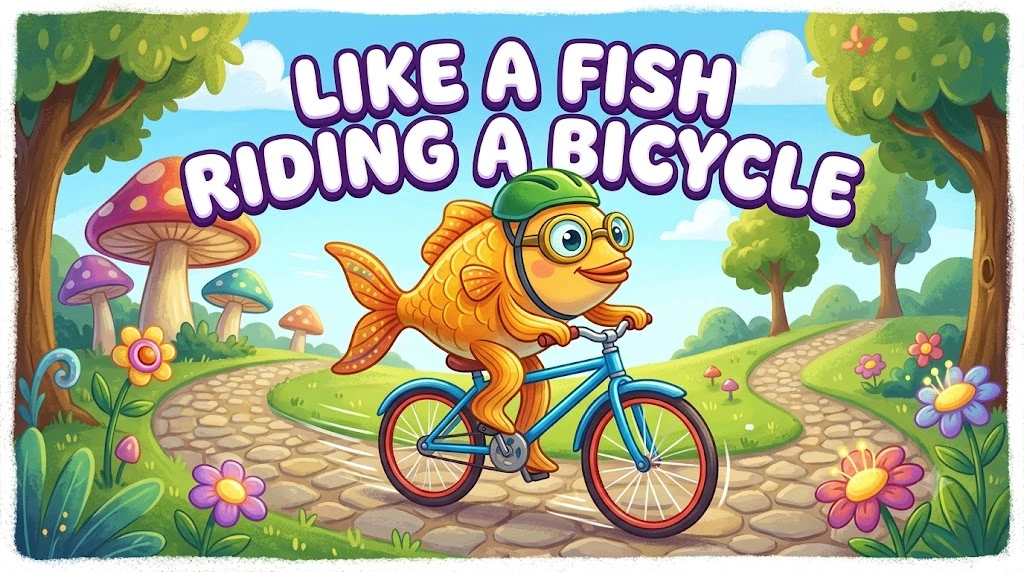
Like a Fish Riding a Bicycle
Meaning
Describes something completely unusual or impossible.
When to Use It
Adds humor to imaginative stories and creative writing.
Examples
- The idea sounded like a fish riding a bicycle.
- His dream was as surprising as a fish riding a bicycle.
As Curious as a Kitten in a Toy Store
Meaning
Describes someone eager to explore and learn.
When to Use It
Excellent for describing adventurous children.
Examples
- Lily was as curious as a kitten in a toy store during the museum visit.
- The students became as curious as kittens in a toy store during the science experiment.
Like a Marshmallow Floating on Hot Chocolate
Meaning
Describes someone feeling relaxed, comfortable, and content.
When to Use It
Ideal for cozy scenes and peaceful moments.
Examples
- I felt like a marshmallow floating on hot chocolate while reading my favorite book.
- Grandma looked like a marshmallow floating on hot chocolate beside the fireplace.
As Funny as a Chicken Telling Jokes
Meaning
Describes someone who makes everyone laugh.
When to Use It
Perfect for humorous stories, speeches, or classroom writing.
Examples
- Noah was as funny as a chicken telling jokes during the talent show.
- Our teacher became as funny as a chicken telling jokes while acting out the story.
How to Use Similes Effectively in Writing
Similes become more powerful when they feel natural and match the situation. Here are a few practical tips:
- Choose comparisons that your audience can easily picture.
- Use nature similes to create beautiful imagery in poems and descriptive paragraphs.
- Add funny similes to children’s stories to make characters more memorable.
- Avoid overusing similes; a few strong comparisons are usually more effective than many weak ones.
- Read your sentence aloud to check whether the comparison sounds smooth and natural.
- Use similes in essays to explain ideas clearly without making your writing overly complicated.
- Include figurative language examples in songs, speeches, and creative writing to make your work more expressive.
- Study similes in literature to learn how famous authors create memorable descriptions.
Frequently Asked Questions
1. What are funny similes for kids?
Funny similes for kids are playful comparisons using “like” or “as” that make writing entertaining, imaginative, and easy to understand.
2. What is the difference between a simile and a metaphor?
A simile compares two things using “like” or “as,” while a metaphor makes a direct comparison without those words.
3. Why are similes important in creative writing?
Similes create vivid imagery, improve descriptions, make characters more memorable, and help readers connect emotionally with the writing.
4. Can similes be used in academic writing?
Yes. Appropriate similes can make explanations clearer and more engaging, especially in educational writing, presentations, and classroom assignments.
5. Where can children find examples of similes?
Children can discover excellent figurative language examples in storybooks, poems, classroom reading materials, and many classic works featuring similes in literature.
Conclusion
Learning funny similes for kids is a fun and rewarding way to improve creativity, vocabulary, and communication skills. These imaginative comparisons help readers visualize ideas, understand emotions, and enjoy language on a deeper level. Whether inspired by nature, everyday life, or playful imagination, similes bring stories, poems, essays, and songs to life with colorful imagery. They also strengthen descriptive writing by making ordinary sentences more memorable and expressive. By practicing these creative comparisons regularly and exploring more nature similes, figurative language examples, and similes in literature, young writers can develop confidence while making every piece of writing more engaging, meaningful, and enjoyable.