
Resilience is one of the most important qualities in human life, and writers often use similes to express it in vivid and meaningful ways. Similes help us understand difficult emotions by comparing them to familiar images using “like” or “as.”
They make language more expressive, emotional, and easier to visualize. In literature, similes are widely used to bring abstract ideas like resilience, hope, and endurance to life. When we talk about resilience, we often think of nature because it shows us how life survives storms, droughts, and challenges.
Trees, in particular, are powerful symbols of resilience because they bend in strong winds but rarely break. They continue to grow even after harsh winters and damaged branches. This is why nature similes are so effective in describing human strength, emotional healing, and perseverance.
What Is a Simile?
A simile is a figure of speech that compares two different things using the words “like” or “as.” It is used to create vivid imagery and improve understanding.
Example: Her resilience was like a river that keeps flowing around every obstacle.
1. Like a Tree Standing After the Storm
Meaning: This simile represents a person who remains strong after facing emotional or life challenges.
Usage Insight:
Best used when describing recovery after hardship or emotional survival.
Examples:
- She stood like a tree standing after the storm, quiet but unbroken.
- His spirit remained like a tree standing after the storm, deeply rooted in hope.
2. As Strong as Mountain Roots
Meaning:
Shows deep inner strength and stability that cannot be easily shaken.
Usage Insight:
Perfect for describing emotional grounding or strong character.
Examples:
- Her beliefs were as strong as mountain roots buried deep in the earth.
- He stayed calm, as strong as mountain roots during the crisis.
3. Like a River Carving Through Rock
Meaning:
Represents persistence and slow but powerful progress over time.
Usage Insight:
Use when showing long-term resilience or determination.
Examples:
- Her determination was like a river carving through rock.
- Success came slowly, like a river carving through rock.
4. As Unbreakable as Ancient Stone
Meaning:
Describes emotional or mental strength that does not easily break.
Usage Insight:
Ideal for strong characters or leaders in difficult situations.
Examples:
- His will was as unbreakable as ancient stone.
- She faced criticism as unbreakable as ancient stone.
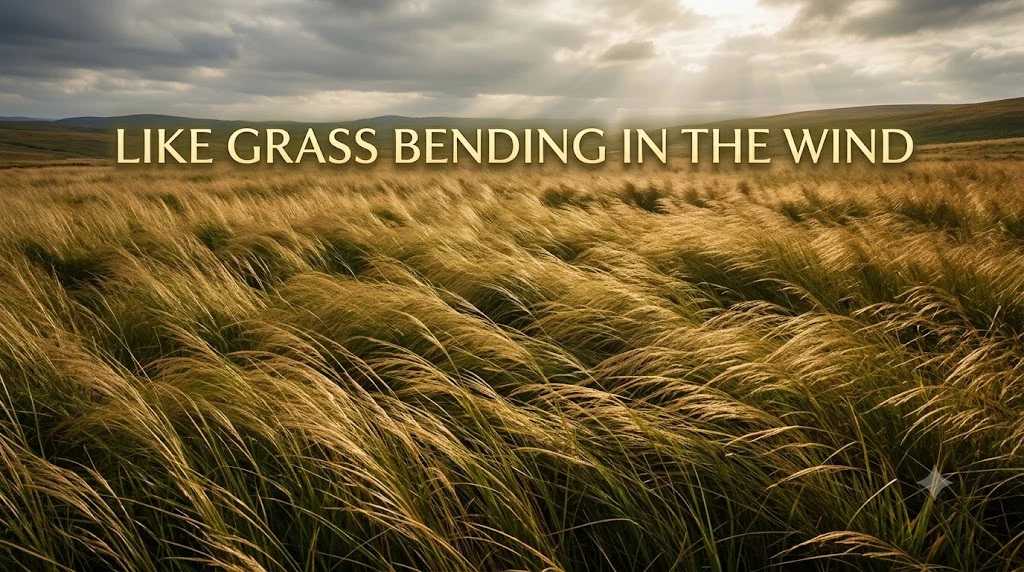
5. Like Grass Bending in the Wind
Meaning:
Represents flexibility and the ability to survive by adapting.
Usage Insight:
Best for showing emotional flexibility and survival.
Examples:
- He adapted like grass bending in the wind during hard times.
- Their unity remained like grass bending in the wind.
6. As Persistent as Ocean Waves
Meaning:
Shows continuous effort despite obstacles or failure.
Usage Insight:
Great for describing repeated attempts or never-giving-up attitudes.
Examples:
- Her efforts were as persistent as ocean waves hitting the shore.
- He kept trying, as persistent as ocean waves.
7. Like a Seed Breaking Through Soil
Meaning:
Represents growth after difficulty or struggle.
Usage Insight:
Perfect for describing person
Examples:
- Her confidence grewal development or success after hardship.
like a seed breaking through soil. - New hope appeared like a seed breaking through soil.
8. As Bright as the Sun After Rain
Meaning:
Symbolizes hope and recovery after emotional storms.
Usage Insight:
Best for positive endings or healing moments.
Examples:
- Her smile was as bright as the sun after rain.
- Peace returned as bright as the sun after rain.
9. Like Fire That Refuses to Die
Meaning:
Represents inner strength that continues despite challenges.
Usage Insight:
Use for strong emotions, ambition, or survival instinct.
Examples:
- His passion was like fire that refuses to die.
- She fought like fire that refuses to die.
10. As Steady as a Lighthouse in Storms
Meaning:
Represents stability and guidance during chaos.
Usage Insight:
Ideal for leaders or emotionally strong individuals.
Examples:
- He remained as steady as a lighthouse in storms.
- Her advice was as steady as a lighthouse in storms.
11. Like Roots Holding the Earth Together
Meaning:
Shows hidden strength that supports everything above it.
Usage Insight:
Best for describing quiet strength or support systems.
Examples:
- Her family was like roots holding the earth together.
- His values acted like roots holding the earth together.
12. As Brave as a Lion in the Wild

Meaning:
Represents courage in the face of danger or fear.
Usage Insight:
Common in storytelling and heroic descriptions.
Examples:
- She faced the challenge as brave as a lion in the wild.
- The soldier stood as brave as a lion in the wild.
13. Like Clouds Moving Through Storms
Meaning:
Represents emotional endurance and moving through difficult phases.
Usage Insight:
Good for transitions and emotional healing writing.
Examples:
- He moved forward like clouds moving through storms.
- Her thoughts drifted like clouds moving through storms.
14. As Resilient as Bamboo in Wind
Meaning:
Symbolizes flexibility combined with strength.
Usage Insight:
Perfect for describing adaptability and survival.
Examples:
- She remained as resilient as bamboo in wind.
- Their team was as resilient as bamboo in wind.
15. Like Dawn Breaking After Darkness
Meaning:
Represents hope, renewal, and recovery after struggle.
Usage Insight:
Best used for endings, recovery stories, and inspiration.
Examples:
His recovery felt like dawn breaking after darkness.
- New opportunities arrived like dawn breaking after darkness.
How to Use Similes Effectively in Writing
Similes should be used to make writing clearer, more emotional, and more engaging. poetry, they help create rhythm and deep imagery. In stories, they make characters and emotions easier to understand. In essays, they can simplify complex ideas when used sparingly. Songwriters often use similes to express feelings in relatable ways. Good similes connect abstract ideas like resilience with familiar images from nature, life, and emotion. Avoid overusing them—too many similes can weaken your message. Instead, choose strong and meaningful comparisons that match your tone.
FAQs
What are similes for resilience?
Similes for resilience are comparisons that describe strength, endurance, and emotional recovery using “like” or “as.”
What is the difference between similes and metaphors?
A simile uses “like” or “as,” while a metaphor directly states one thing is another.
Why are similes important in literature?
They create vivid imagery, improve emotional depth, and make ideas easier to understand.
Can similes be used in academic writing?
Yes, but they should be used carefully and sparingly to maintain formality.
What are nature similes?
Nature similes compare human emotions or experiences to natural elements like trees, rivers, storms, and sunlight.
Conclusion
Similes for resilience give language emotional depth and powerful imagery. They help us understand strength not just as physical power, but as the ability to survive, adapt, and grow through challenges. Whether comparing resilience to a tree standing after a storm or bamboo bending in the wind, these similes bring human experience closer to nature. In literature and everyday writing, they make ideas more vivid and meaningful. When used well, similes transform simple descriptions into unforgettable expressions of strength, hope, and endurance.