
Loneliness is one of the most personal emotions people experience, yet it can be difficult to describe with ordinary words. This is where similes become incredibly useful because they help readers picture emotions through vivid comparisons. A simile compares two different things by using words like “as” or “like“, making feelings easier to understand and remember.
Similes are an essential part of figurative language because they create stronger imagery and make writing more expressive. Nature has always inspired some of the most beautiful similes, and trees in particular symbolize strength, growth, resilience, wisdom, hope, and the emotional journey of life.
Just as a tree can stand alone through changing seasons, it can also reflect many human emotions, including solitude and endurance. Writers, poets, students, and storytellers often rely on meaningful comparisons to make their ideas more engaging and memorable. In this guide, you’ll discover powerful similes for loneliness that can enrich your creative writing, essays, poetry, and everyday communication.
What Is a Simile?
A simile is a figure of speech that compares two different things using the words “like” or “as.” It helps readers visualize emotions, objects, or experiences by connecting them to something familiar.
Example:
Her heart felt like an empty house after everyone had left.
This comparison paints a clear emotional picture, making the feeling of loneliness much more vivid than simply saying she was lonely.
Like a Lone Tree Standing in an Empty Field
Meaning
This simile describes someone who feels isolated while remaining strong despite having no one nearby.
When to Use It
It works well in stories, reflective essays, and poems about emotional independence, solitude, or resilience.
Examples
- After moving to a new city, I felt like a lone tree standing in an empty field.
- Even in the crowded office, she stood like a lone tree standing in an empty field, unnoticed by everyone.
Like the Last Star Before Dawn
Meaning
This simile represents feeling alone while quietly holding onto hope.
When to Use It
Use it when describing loneliness mixed with optimism or emotional endurance.
Examples
- He waited like the last star before dawn, believing better days would come.
- She smiled like the last star before dawn, despite feeling completely alone.
Like an Empty Bench in Winter
Meaning
It symbolizes abandonment, silence, and the absence of companionship.
When to Use It
Perfect for descriptive writing about loss, memories, or quiet places.
Examples
- The old park looked like an empty bench in winter after everyone had gone home.
- Without her friends, she felt like an empty bench in winter.
Like a Boat Drifting Without a Shore
Meaning
This comparison expresses emotional uncertainty and the feeling of having no direction.
When to Use It
Ideal for stories about life changes, grief, or searching for belonging.
Examples
- After graduation, I felt like a boat drifting without a shore.
- His thoughts wandered like a boat drifting without a shore.
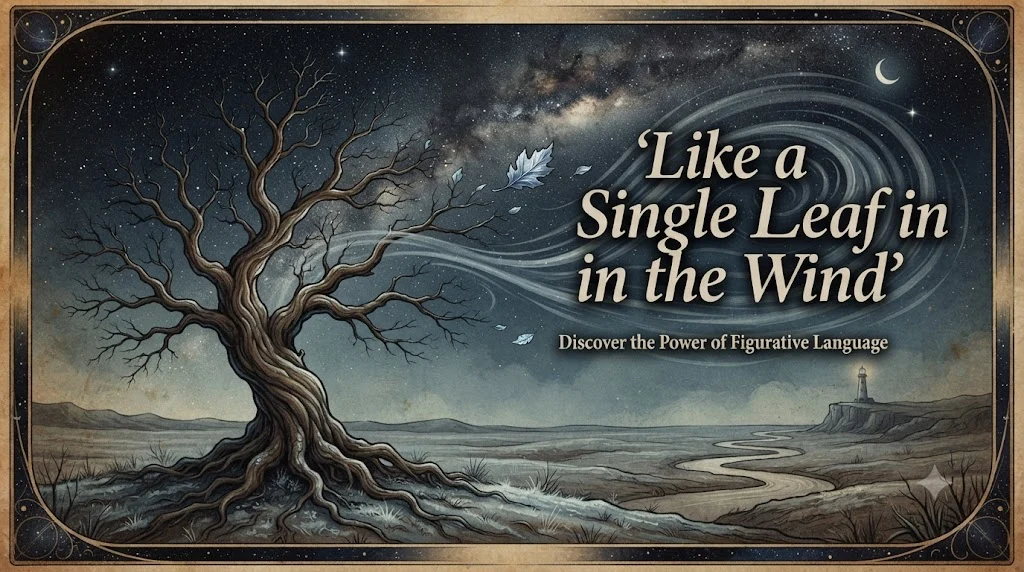
Like a Single Leaf in the Wind
Meaning
It suggests vulnerability, loneliness, and being carried by circumstances beyond one’s control.
When to Use It
Excellent for emotional poetry and reflective narratives.
Examples
- She walked through life like a single leaf in the wind.
- I felt like a single leaf in the wind after losing my closest friend.
Like an Echo in an Empty Cave
Meaning
This simile conveys feelings of being unheard or emotionally disconnected.
When to Use It
Best for describing ignored voices or emotional distance.
Examples
- My words sounded like an echo in an empty cave.
- His laughter faded like an echo in an empty cave.
Like a Desert Without Rain
Meaning
It represents emotional emptiness and the longing for connection.
When to Use It
Useful in romantic writing, personal essays, and dramatic storytelling.
Examples
- My heart felt like a desert without rain after she left.
- The house seemed like a desert without rain without the children’s voices.
Like a Candle Burning Alone
Meaning
This comparison highlights quiet endurance despite isolation.
When to Use It
Ideal for inspirational or emotional writing.
Examples
- She remained hopeful like a candle burning alone.
- He studied every night like a candle burning alone in the silent library.
Like a Forgotten Letter
Meaning
It expresses the sadness of feeling neglected or overlooked.
When to Use It
Suitable for fiction, memoirs, and emotional descriptions.
Examples
- I felt like a forgotten letter hidden in a dusty drawer.
- He stood quietly like a forgotten letter waiting to be noticed.
Like the Moon Behind Thick Clouds
Meaning
It suggests hidden emotions and loneliness concealed beneath a calm appearance.
When to Use It
Perfect for describing emotional struggles that others cannot easily see.
Examples
- She looked cheerful but felt like the moon behind thick clouds.
- His smile hid sadness like the moon behind thick clouds.
Like an Unopened Book on a Shelf
Meaning
This simile reflects feeling ignored, misunderstood, or waiting for someone to notice your true value.
When to Use It
Excellent for character development and reflective writing.
Examples
- He sat quietly like an unopened book on a shelf.
- I often felt like an unopened book on a shelf, full of stories no one wanted to hear.
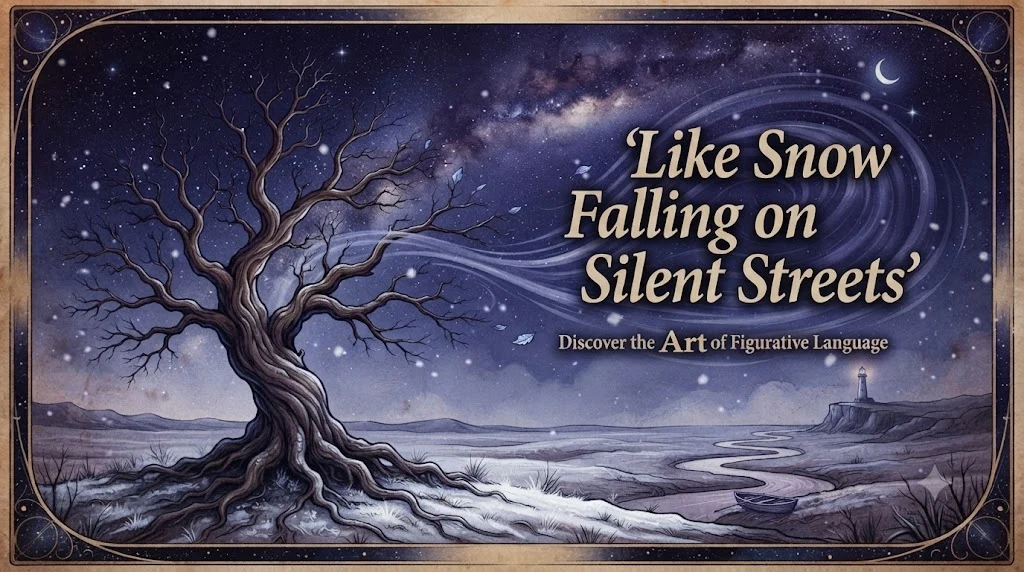
Like Snow Falling on Silent Streets
Meaning
It portrays peaceful yet deeply emotional loneliness.
When to Use It
Best for descriptive passages and poetic imagery.
Examples
- The evening felt like snow falling on silent streets.
- Her thoughts drifted like snow falling on silent streets.
Like a Bird Without a Flock
Meaning
This comparison emphasizes separation from family, friends, or community.
When to Use It
Useful in stories about travel, change, or personal growth.
Examples
- Starting college made me feel like a bird without a flock.
- He wandered through the airport like a bird without a flock.
Like a Window Facing an Empty Road
Meaning
It symbolizes waiting, longing, and quiet solitude.
When to Use It
Ideal for emotional fiction and nostalgic writing.
Examples
- She watched every evening like a window facing an empty road.
- His life seemed like a window facing an empty road, full of waiting.
Like a Clock Ticking in an Empty Room
Meaning
This simile represents the slow passage of time during periods of loneliness.
When to Use It
Excellent for suspenseful, reflective, or emotional storytelling.
Examples
- The afternoon passed like a clock ticking in an empty room.
- Without conversation, every minute felt like a clock ticking in an empty room.
How to Use Similes Effectively in Writing
Strong similes make your writing more memorable because they transform abstract emotions into vivid mental images. When writing poems, choose comparisons that evoke feelings and rhythm without becoming overly complicated. stories, use similes to reveal a character’s emotions instead of simply stating how they feel. Essays become more engaging when figurative language examples support key ideas without distracting from the main argument. Songwriters can use emotional comparisons to create lyrics that listeners easily connect with. In descriptive writing, draw inspiration from nature similes because natural images often feel universal and timeless. Avoid mixing too many comparisons in one paragraph, and always choose similes that match the tone and setting of your writing. Reading similes in literature can also inspire fresh ideas and help you develop your own original style.
Frequently Asked Questions (FAQs)
1. What are powerful similes for loneliness?
Powerful similes for loneliness compare feelings of isolation to vivid images, such as “like a lone tree standing in an empty field” or “like a boat drifting without a shore.” These comparisons make emotions easier to imagine and understand.
2. What is the difference between a simile and a metaphor?
A simile uses “like” or “as” to compare two things, while a metaphor states that one thing is another without using comparison words. For example, “He is like a lion” is a simile, while “He is a lion” is a metaphor.
3. Why are similes important in creative writing?
Similes create vivid imagery, strengthen emotional expression, improve readability, and help readers connect more deeply with characters, settings, and ideas.
4. Can similes be used in academic writing?
Yes. Although academic writing is usually formal, carefully chosen similes can clarify complex concepts, especially in presentations, educational materials, and literary analysis.
5. How can I create original similes?
Think about the emotion or idea you want to express, then compare it to something familiar from nature, everyday life, or personal experience. The strongest comparisons are clear, meaningful, and easy for readers to visualize.
Conclusion
Mastering powerful similes for loneliness allows writers to express complex emotions with greater clarity, beauty, and emotional impact. Whether you are writing poetry, fiction, essays, songs, or personal reflections, thoughtful comparisons help readers see and feel what ordinary words cannot fully capture. Meaningful nature similes, creative figurative language examples, and memorable similes in literature all demonstrate the power of imagery to transform simple descriptions into unforgettable experiences. By choosing original, relevant, and vivid similes, you can enrich your writing, strengthen emotional connections with readers, and communicate loneliness in ways that are both authentic and deeply moving.