Fear is one of the strongest emotions people experience, influencing thoughts, actions, and decisions in powerful ways. Whether it appears as a fleeting worry, a sense of nervousness, or overwhelming terror, fear can be difficult to describe with ordinary words. This is why writers often use similes to express fear more vividly and effectively.
Similes compare two unlike things using the words “like” or “as,” helping readers imagine emotions through familiar images and experiences. They are a vital part of figurative language because they add clarity, imagery, and emotional depth to writing. From novels and poems to speeches and songs, similes help transform invisible feelings into memorable descriptions.
Nature provides many compelling comparisons for fear, including storms, shadows, cliffs, and trembling leaves. Trees, in particular, symbolize strength, growth, resilience, wisdom, and human emotion, reminding us that even when shaken by fear, we can remain rooted and continue to grow. In this guide, you’ll discover creative similes for fear, complete with meanings, examples, and practical writing tips.
What Is a Simile?
A simile is a figure of speech that compares two different things using the words “like” or “as.” Similes help readers understand emotions, actions, and ideas by connecting them to familiar images.
Example:
He was as frightened as a deer caught in headlights.
This simile instantly creates a vivid image of fear and helplessness.
As Afraid as a Deer in Headlights
Meaning
Describes sudden fear and uncertainty.
Usage Insight
Perfect for moments of shock and surprise.
Examples
- He stood as afraid as a deer in headlights when his name was called.
- The child looked as afraid as a deer in headlights during the storm.
Like a Leaf Trembling in a Strong Wind
Meaning
Represents nervousness and vulnerability.
Usage Insight
Ideal for describing physical signs of fear.
Examples
- Her hands shook like a leaf trembling in a strong wind.
- He waited outside the office like a leaf trembling in a strong wind.
As Fearful as a Rabbit Hearing a Predator
Meaning
Suggests heightened alertness and anxiety.
Usage Insight
Useful for suspenseful scenes.
Examples
- She felt as fearful as a rabbit hearing a predator.
- The hikers grew as fearful as a rabbit hearing a predator after hearing strange noises.
Like Shadows Stretching Across an Empty Road
Meaning
Represents creeping and growing fear.
Usage Insight
Excellent for building tension.
Examples
- Doubt spread through him like shadows stretching across an empty road.
- Fear moved through the town like shadows stretching across an empty road.
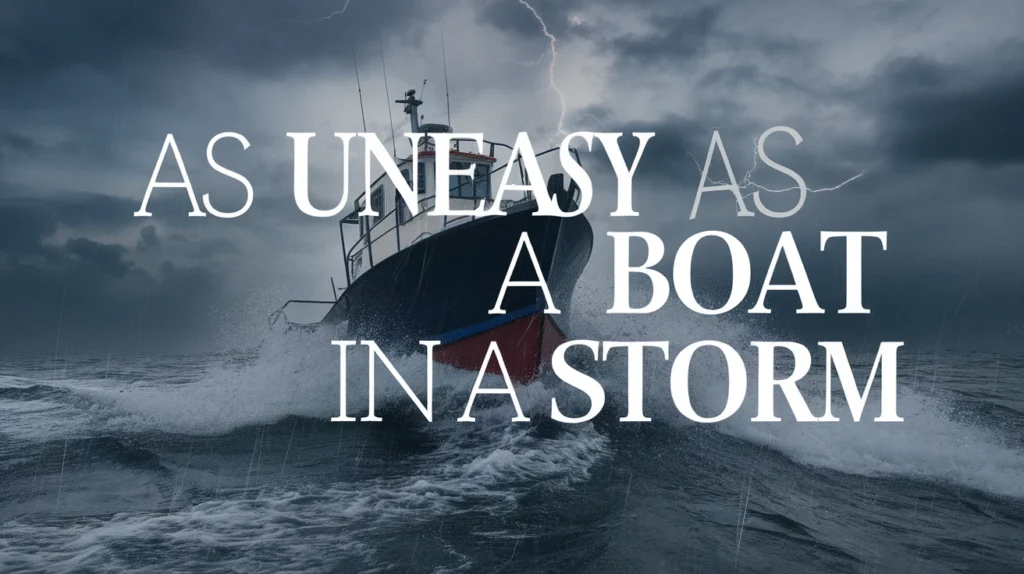
As Uneasy as a Boat in a Storm
Meaning
Describes emotional instability and worry.
Usage Insight
Perfect for situations involving uncertainty.
Examples
- He felt as uneasy as a boat in a storm before the interview.
- The team seemed as uneasy as a boat in a storm before the final match.
Like Ice Forming Around a Heart
Meaning
Represents fear that creates emotional withdrawal.
Usage Insight
Works well in emotional and dramatic writing.
Examples
- Fear settled over her like ice forming around a heart.
- The bad news spread like ice forming around a heart.
As Nervous as a Bird Leaving the Nest
Meaning
Describes fear of the unknown.
Usage Insight
Ideal for new experiences and major life changes.
Examples
- She felt as nervous as a bird leaving the nest on her first day of college.
- He looked as nervous as a bird leaving the nest before the presentation.
Like a Candle Flickering in the Wind
Meaning
Represents fragile courage under pressure.
Usage Insight
Useful for showing fear mixed with determination.
Examples
- His confidence flickered like a candle in the wind.
- She stood like a candle flickering in the wind despite her fears.
As Cold as a Winter Night Alone
Meaning
Suggests fear accompanied by loneliness.
Usage Insight
Excellent for emotional storytelling.
Examples
- The empty house felt as cold as a winter night alone.
- Fear wrapped around him as cold as a winter night alone.
Like Thunder Rumbling Beyond the Hills
Meaning
Represents fear that is approaching but not yet fully present.
Usage Insight
Perfect for foreshadowing and suspense.
Examples
- Anxiety lingered like thunder rumbling beyond the hills.
- Trouble felt like thunder rumbling beyond the hills.
As Fragile as Glass on Stone
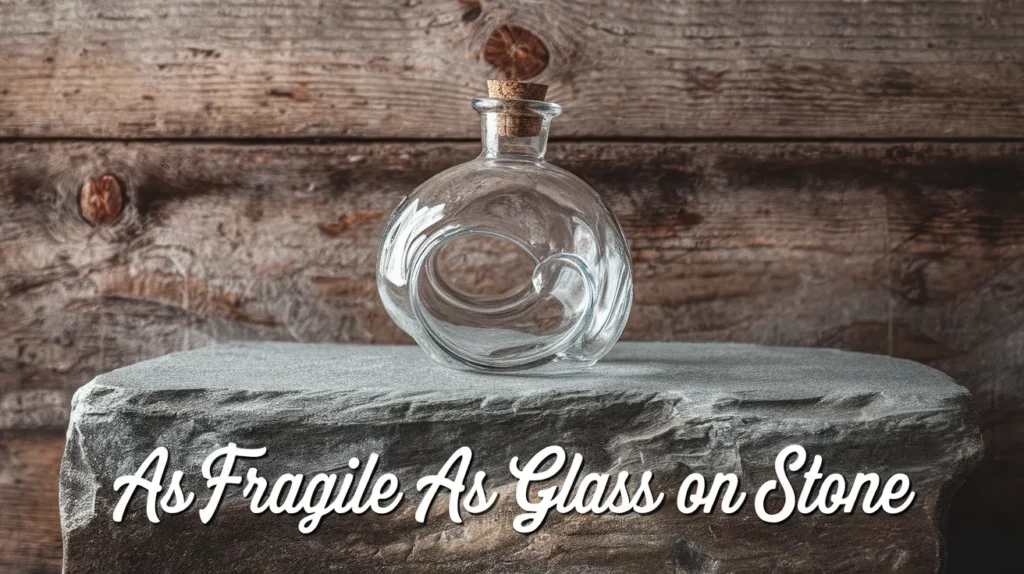
Meaning
Describes someone feeling vulnerable due to fear.
Usage Insight
Useful for emotional character development.
Examples
- She felt as fragile as glass on stone during the confrontation.
- His confidence seemed as fragile as glass on stone.
Like a Mouse Beneath the Gaze of an Owl
Meaning
Represents feeling powerless or intimidated.
Usage Insight
Ideal for describing fear of authority or danger.
Examples
- He felt like a mouse beneath the gaze of an owl during the interview.
- The student stood like a mouse beneath the gaze of an owl.
As Dark as a Forest Without Moonlight
Meaning
Represents uncertainty and fear of the unknown.
Usage Insight
Excellent for mysterious and atmospheric writing.
Examples
- The future seemed as dark as a forest without moonlight.
- Her thoughts grew as dark as a forest without moonlight.
Like Waves Rising Before a Storm
Meaning
Suggests fear building steadily.
Usage Insight
Perfect for describing mounting anxiety.
Examples
- Worry rose within him like waves rising before a storm.
- The crowd’s fear spread like waves rising before a storm.
As Startled as a Fawn in Tall Grass
Meaning
Represents sudden surprise and fear.
Usage Insight
Useful for quick emotional reactions.
Examples
- She jumped as startled as a fawn in tall grass.
- He looked as startled as a fawn in tall grass when the phone rang.
How to Use Similes Effectively in Writing
Similes can make descriptions of fear more vivid and emotionally engaging when used thoughtfully.
- Choose comparisons that match the intensity of the emotion.
- Use nature similes to create memorable imagery.
- Avoid overusing common clichés.
- Create original comparisons whenever possible.
- Match the simile to the tone and mood of the scene.
- In poems, similes can strengthen emotional impact.
- In stories, they help readers connect with characters.
- In essays, similes can clarify complex emotions.
- In songs, similes create memorable and relatable lyrics.
- Always ensure the comparison enhances understanding.
FAQs
What are similes for fear?
Similes for fear are comparisons that use “like” or “as” to describe anxiety, nervousness, worry, dread, or terror.
What is an example of a simile for fear?
An example is: “He was as afraid as a deer in headlights.”
What is the difference between a simile and a metaphor?
A simile uses “like” or “as” to compare two things, while a metaphor makes a direct comparison without those words.
Why are similes important in creative writing?
Similes create vivid imagery, improve emotional connection, and make writing more engaging.
Can similes be used in academic writing?
Yes. Similes can be used carefully to explain concepts and make abstract ideas easier to understand.
Conclusion
Similes for fear are powerful figurative language examples that help writers transform invisible emotions into vivid and relatable imagery. Whether fear is described as a deer in headlights, a leaf trembling in the wind, or waves rising before a storm, these comparisons allow readers to experience the emotion more deeply. By using thoughtful and creative similes, writers can add clarity, atmosphere, and emotional depth to poems, stories, essays, speeches, and songs. The best similes for fear not only describe anxiety and dread but also reveal the courage required to face uncertainty. Keep exploring new comparisons, and you’ll discover endless ways to bring human emotions to life through language.