
Similes are one of the most useful tools in figurative language because they help writers create vivid and memorable descriptions. By comparing one thing to another using words like “as” or “like,” similes allow readers to understand ideas more clearly and visualize them more effectively.
These comparisons can make writing more entertaining, emotional, and engaging. Similes appear in poems, stories, novels, speeches, and everyday conversations because they bring language to life. Nature often inspires some of the most powerful comparisons in literature. Trees, for example, symbolize strength, growth, resilience, wisdom, and human emotion across many cultures and literary traditions.
Their deep roots and steady presence remind us of life’s challenges and opportunities for growth. Understanding similes can help writers create stronger descriptions, whether they are expressing intelligence, beauty, courage, or even foolishness in a creative and memorable way.
What Is a Simile?
A simile is a figure of speech that compares two different things using the words “like” or “as.” It helps readers better understand an idea by connecting it to something familiar.
Example:
He was as stubborn as an old oak tree.
This comparison helps readers instantly imagine someone who refuses to change their opinion.
As Clueless as a Compass Without a Needle
Meaning
Describes someone who is completely confused and lacks direction.
Usage Insight
Works well when portraying a character who has no idea what to do next.
Examples
- He looked as clueless as a compass without a needle during the meeting.
- Without instructions, she was as clueless as a compass without a needle.
Like a Squirrel Searching for Nuts in a Desert
Meaning
Suggests someone is looking for something in the wrong place.
Usage Insight
Ideal for humorous situations involving poor judgment.
Examples
- He searched the empty drawer like a squirrel searching for nuts in a desert.
- The detective felt like a squirrel searching for nuts in a desert.
As Lost as a Raindrop in the Ocean
Meaning
Represents someone who cannot understand what is happening around them.
Usage Insight
Useful in stories involving confusion or uncertainty.
Examples
- During the lecture, he seemed as lost as a raindrop in the ocean.
- I felt as lost as a raindrop in the ocean during the technical discussion.
Like a Lantern Without a Flame
Meaning
Suggests a lack of understanding or awareness.
Usage Insight
Effective when describing someone who misses obvious clues.
Examples
- He stared at the puzzle like a lantern without a flame.
- She looked like a lantern without a flame when everyone else understood the joke.
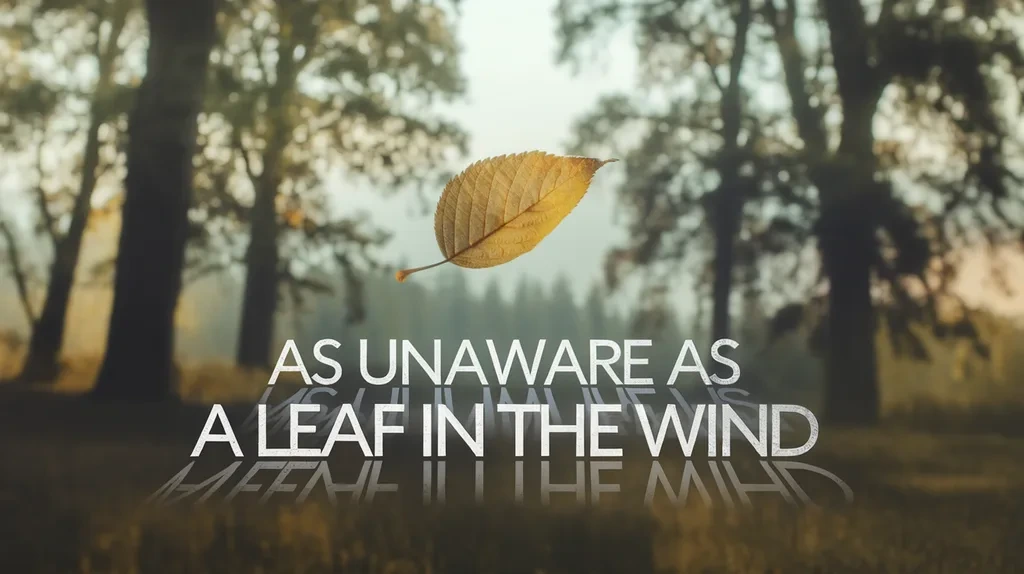
As Unaware as a Leaf in the Wind
Meaning
Describes someone who is easily influenced and lacks awareness.
Usage Insight
Works best in reflective or literary writing.
Examples
- He drifted through life as unaware as a leaf in the wind.
- The character remained as unaware as a leaf in the wind.
Like a Map Drawn Backward
Meaning
Suggests poor reasoning or flawed thinking.
Usage Insight
Excellent for humorous storytelling.
Examples
- His explanation sounded like a map drawn backward.
- The plan was like a map drawn backward from the start.
As Confused as a Bee in a Snowstorm
Meaning
Describes complete bewilderment.
Usage Insight
Creates vivid imagery in both fiction and non-fiction writing.
Examples
- He looked as confused as a bee in a snowstorm.
- The new employee felt as confused as a bee in a snowstorm.
Like a Boat Rowing in Circles
Meaning
Represents repeated mistakes and lack of progress.
Usage Insight
Useful for describing ineffective actions.
Examples
- His efforts were like a boat rowing in circles.
- The project moved like a boat rowing in circles.
As Empty as an Echo Without a Voice
Meaning
Suggests a lack of meaningful thought or understanding.
Usage Insight
Best used in creative descriptions.
Examples
- His response seemed as empty as an echo without a voice.
- The argument felt as empty as an echo without a voice.
Like a Bird Trying to Swim Across a Desert
Meaning
Represents a completely misguided approach.
Usage Insight
Adds humor to descriptions of poor decision-making.
Examples
- His strategy was like a bird trying to swim across a desert.
- She approached the task like a bird trying to swim across a desert.
As Directionless as Smoke in a Storm
Meaning
Describes someone with no clear purpose or understanding.
Usage Insight
Works particularly well in literary writing.
Examples
- He wandered through life as directionless as smoke in a storm.
- The character seemed as directionless as smoke in a storm.
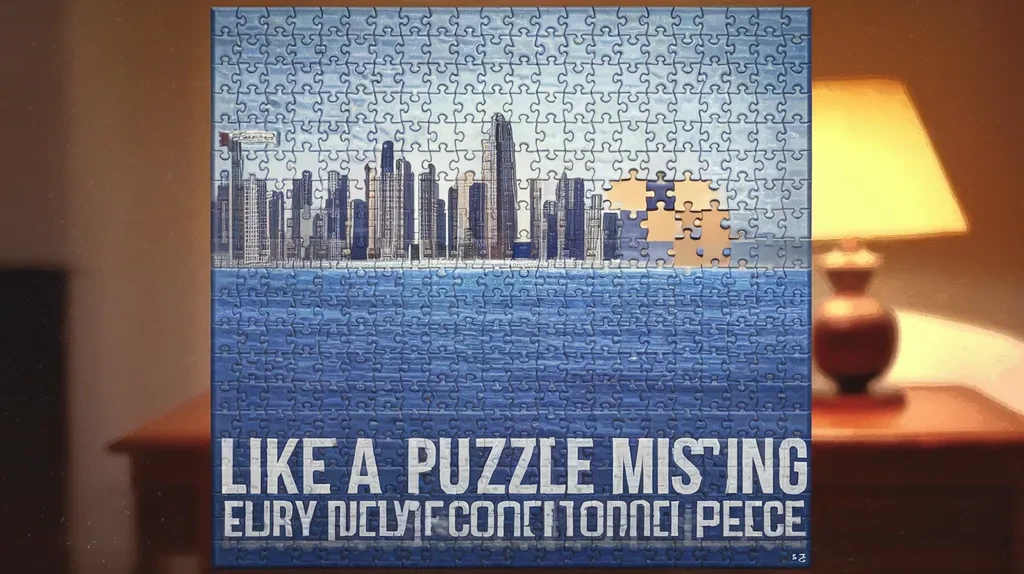
Like a Puzzle Missing Every Corner Piece
Meaning
Suggests incomplete thinking and confusion.
Usage Insight
Ideal for describing flawed reasoning.
Examples
- His explanation was like a puzzle missing every corner piece.
- The proposal felt like a puzzle missing every corner piece.
As Bewildered as a Fish in a Forest
Meaning
Represents someone completely out of place.
Usage Insight
Creates strong visual imagery.
Examples
- He looked as bewildered as a fish in a forest.
- I felt as bewildered as a fish in a forest on my first day.
Like a Clock Without Hands
Meaning
Suggests a lack of useful understanding or function.
Usage Insight
Effective for humorous comparisons.
Examples
- His advice was like a clock without hands.
- The instructions were like a clock without hands.
As Mixed Up as Autumn Leaves in a Hurricane
Meaning
Describes chaotic thinking and confusion.
Usage Insight
Perfect for dramatic or expressive writing.
Examples
- His thoughts were as mixed up as autumn leaves in a hurricane.
- She sounded as mixed up as autumn leaves in a hurricane.
How to Use Similes Effectively in Writing
Poems
- Use vivid imagery that appeals to the senses.
- Connect emotions with nature-inspired comparisons.
For Stories
- Reveal character traits through creative similes.
- Use comparisons to enhance scenes and dialogue.
Essays
- Keep similes relevant and easy to understand.
- Avoid excessive comparisons in formal writing.
For Songs
- Choose memorable and emotional imagery.
- Use similes that fit the rhythm of the lyrics.
Creative Descriptions
- Draw inspiration from nature, everyday objects, and experiences.
- Create fresh comparisons that readers have not seen before.
FAQs About Similes for Stupidity
What are similes for stupidity?
Similes for stupidity are comparisons that creatively describe confusion, poor judgment, or lack of understanding using “like” or “as.”
What is the difference between a simile and a metaphor?
A simile compares two things using “like” or “as,” while a metaphor makes a direct comparison without those words.
Why are similes important in writing?
They create vivid imagery, improve readability, and help readers understand ideas more clearly.
Can similes be used in academic writing?
Yes, but they should be used sparingly and only when they help explain a concept effectively.
How can I create original similes?
Look for shared qualities between unrelated things and compare them in a fresh, meaningful way.
Conclusion
Similes for stupidity can add humor, imagery, and depth to your writing when used thoughtfully and creatively. Whether you compare confusion to a bee in a snowstorm, a compass without a needle, or a fish in a forest, these figurative language examples help readers instantly understand a situation or character. Strong similes make descriptions more memorable, engaging, and expressive. They are valuable tools in literature, storytelling, poetry, essays, and everyday communication. By mastering creative comparisons, writers can transform simple observations into vivid and impactful language that leaves a lasting impression on readers.