People use similes every day without even realizing it. They make conversations more colorful, stories more memorable, and descriptions easier to understand. A well-crafted simile paints a vivid picture in the reader’s mind by comparing one thing to another using the words “like” or “as.” This simple writing technique helps express emotions, personalities, and situations with greater impact. In literature, similes have been used for centuries to make characters and ideas more relatable.
a Interestingly, trees are often powerful symbols in figurative language because they represent strength, growth, resilience, wisdom, patience, and deep human emotion, reminding us that comparisons can connect nature with everyday life. Whether you’re writing a story, poem, essay, or speech, learning creative similes can make your words more engaging. In this guide, you’ll discover the best similes for dumb, along with meanings, examples, and practical writing tips to improve your figurative language.
What Is a Simile?
A simile is a figure of speech that compares two different things using the words “like” or “as.” The comparison helps readers understand an idea by connecting it to something familiar.
Example:
“He was as quiet as a mouse.”
This comparison doesn’t mean the person is actually a mouse. Instead, it emphasizes how silent the person is.
1. As Dumb as a Rock
Meaning
This classic simile describes someone who appears unable to understand simple ideas or situations.
Usage Insight
It works well in humorous conversations, fictional dialogue, and lighthearted descriptions. Avoid using it in formal or insulting contexts.
Examples
- He stared at the puzzle like he was as dumb as a rock.
- The prank worked because everyone acted as dumb as a rock for a few seconds.
2. As Dumb as a Fence Post
Meaning
This simile suggests someone seems completely unaware or lacking common sense.
Usage Insight
Often used in storytelling or informal conversations to exaggerate someone’s confusion.
Examples
- He looked as dumb as a fence post when the teacher asked the question.
- Without reading the instructions, I felt as dumb as a fence post.
3. As Dumb as an Empty Bucket
Meaning
It humorously describes someone whose mind appears empty or distracted.
Usage Insight
Perfect for playful descriptions in creative writing.
Examples
- After staying awake all night, I felt as dumb as an empty bucket.
- He forgot his own password and laughed that he was as dumb as an empty bucket.
4. As Dumb as a Sleeping Snail
Meaning
This comparison emphasizes slow thinking rather than true intelligence.
Usage Insight
Useful when describing tiredness or delayed reactions instead of actual stupidity.
Examples
- Before coffee, I’m as dumb as a sleeping snail.
- He answered the riddle like a sleeping snail waking up.
5. As Dumb as a Broken Compass
Meaning
Someone who is completely lost or unable to make good decisions.
Usage Insight
Works beautifully in stories where characters make poor choices.
Examples
- Without a plan, we wandered as dumb as a broken compass.
- His guesses were like a broken compass, pointing everywhere but the right answer.
6. As Dumb as a Closed Book
Meaning
Describes someone who refuses to think or learn.
Usage Insight
Suitable for essays discussing missed opportunities for learning.
Examples
- He ignored every suggestion and stayed as dumb as a closed book.
- Without curiosity, the student remained like a closed book.
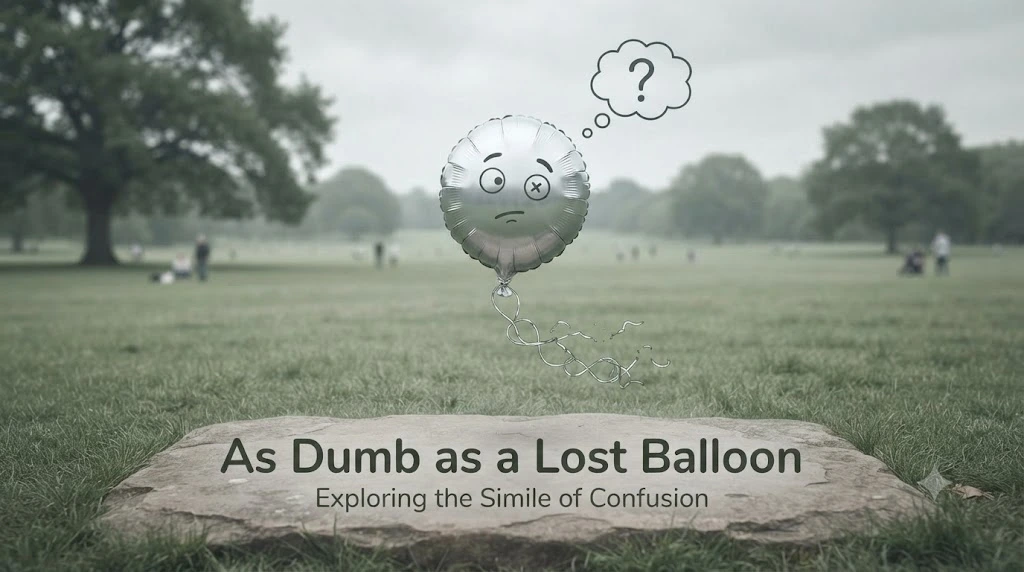
7. As Dumb as a Lost Balloon
Meaning
Refers to someone who seems distracted, confused, or disconnected.
Usage Insight
Adds humor without sounding overly harsh.
Examples
- During the meeting, I felt as dumb as a lost balloon.
- He wandered around like a lost balloon searching for his keys.
8. As Dumb as a Wooden Spoon
Meaning
Suggests someone lacks quick thinking or practical judgment.
Usage Insight
Ideal for playful dialogue and character descriptions.
Examples
- He missed the obvious clue and looked as dumb as a wooden spoon.
- I felt like a wooden spoon after making such a simple mistake.
9. As Dumb as a Foggy Mirror
Meaning
Represents cloudy thinking and mental confusion.
Usage Insight
Excellent for describing exhaustion or information overload.
Examples
- After hours of studying, my brain felt as dumb as a foggy mirror.
- She couldn’t focus because her thoughts were like a foggy mirror.
10. As Dumb as a Door Without a Handle
Meaning
Describes someone unable to find an obvious solution.
Usage Insight
Great for humorous comparisons in stories and blogs.
Examples
- We searched everywhere, feeling as dumb as a door without a handle.
- His explanation left everyone like a door without a handle.
11. As Dumb as a Paper Boat in a Storm
Meaning
Suggests someone is overwhelmed and unable to think clearly.
Usage Insight
Works especially well in emotional storytelling.
Examples
- During the interview, I felt as dumb as a paper boat in a storm.
- He stood silently, like a paper boat in rough water.
12. As Dumb as a Clock Without Hands
Meaning
Someone who cannot function properly in a situation.
Usage Insight
Effective for describing confusion or lack of direction.
Examples
- I was as dumb as a clock without hands during the math quiz.
- Without instructions, we felt like clocks without hands.
13. As Dumb as a Feather in the Wind
Meaning
Describes someone easily influenced or unable to make thoughtful decisions.
Usage Insight
Useful when writing about peer pressure or uncertainty.
Examples
- He followed every rumor as dumb as a feather in the wind.
- Her choices drifted like a feather in the wind.
14. As Dumb as an Unlit Lantern
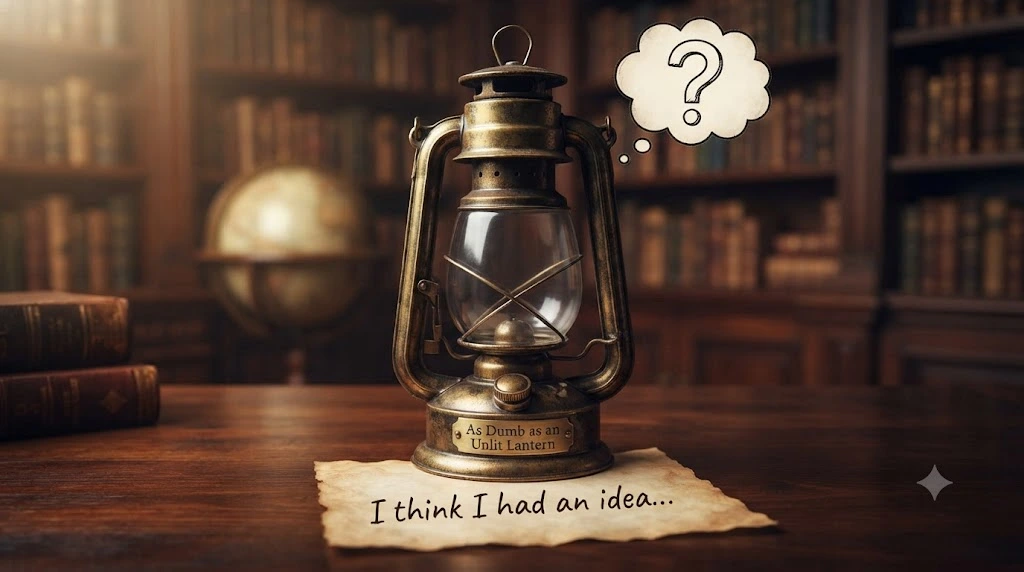
Meaning
Represents a lack of understanding or insight.
Usage Insight
A creative simile for essays, poems, and fictional scenes.
Examples
- Without experience, I felt as dumb as an unlit lantern.
- His mind seemed like an unlit lantern, waiting for an idea.
15. As Dumb as Ice in the Desert
Meaning
Describes behavior that makes little sense or appears completely misplaced.
Usage Insight
Best used when highlighting poor judgment or unusual decisions.
Examples
- His excuse sounded as dumb as ice in the desert.
- Choosing that route was like ice in the desert—completely out of place.
How to Use Similes Effectively in Writing
Strong similes make writing more vivid, but they should always fit naturally into the context.
Here are some practical tips:
- Compare ideas that readers can easily imagine.
- Avoid using too many similes in a single paragraph.
- Match the tone of your writing, whether serious, humorous, or emotional.
- Create fresh comparisons instead of relying only on clichés.
- Use similes to reveal a character’s personality in stories.
- Add similes to poems to create rhythm and imagery.
- Include them in essays when appropriate to explain complex ideas.
- Songwriters can use similes to express emotions in memorable ways.
- Creative descriptions become stronger when comparisons are specific and original.
- Read your sentences aloud to ensure the simile sounds natural.
FAQs
What are the best similes for dumb?
Some popular examples include as dumb as a rock, as dumb as a fence post, as dumb as a wooden spoon, as dumb as a broken compass, and as dumb as an empty bucket. These comparisons are commonly used in informal and creative writing.
What is the difference between a simile and a metaphor?
A simile compares two things using like or as, while a metaphor makes a direct comparison without those words.
Simile: He is as brave as a lion.
Metaphor: He is a lion.
Are similes appropriate in academic writing?
Yes, but they should be used carefully. Similes can clarify complex ideas and make explanations more engaging, though formal academic writing usually uses them sparingly.
Why are similes important in creative writing?
Similes help readers visualize scenes, understand emotions, and connect with characters. They make descriptions richer and more memorable.
Can I create my own similes?
Absolutely. Original similes often make writing stand out because they offer fresh, imaginative comparisons that readers haven’t seen before.
Conclusion
The best similes for dumb help writers describe confusion, poor judgment, or slow thinking in ways that are memorable, humorous, and easy to understand. Whether you choose familiar expressions like “as dumb as a rock” or invent more creative comparisons such as “as dumb as a broken compass,” similes add color, personality, and vivid imagery to your writing. Used thoughtfully, they strengthen stories, poems, essays, speeches, and everyday conversations by transforming ordinary descriptions into engaging mental pictures. As with all figurative language, the goal is not simply to compare two things but to help readers see, feel, and understand ideas more clearly. By mastering similes and using them naturally, you can make your writing more expressive, emotionally engaging, and unforgettable.