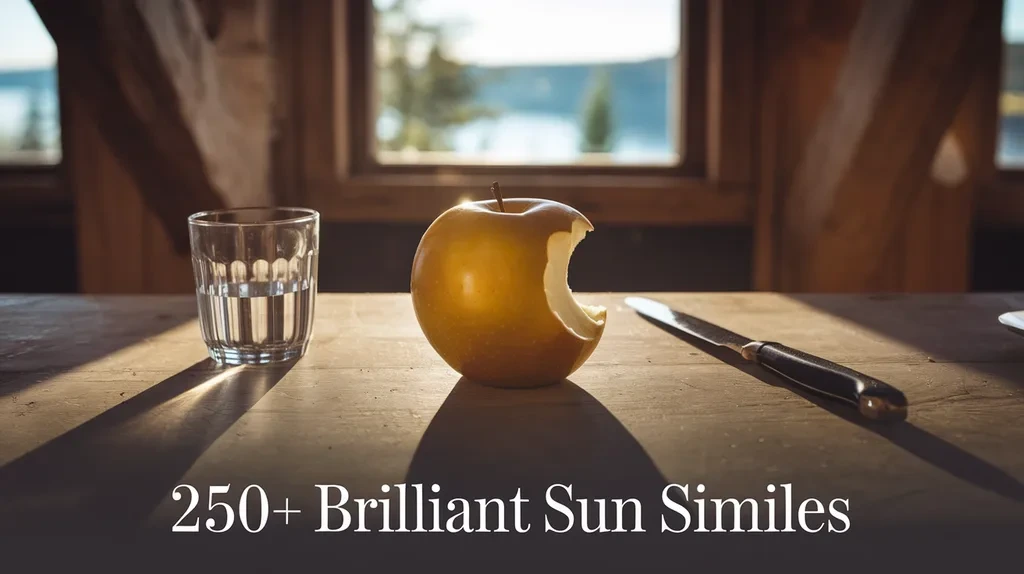
The sun has been a source of wonder, warmth, and inspiration since the beginning of storytelling, and writers have always searched for fresh ways to capture its power on the page. A simile is a figure of speech that compares two unlike things using “like” or “as,” transforming plain description into imagery readers can truly feel. Similes matter in figurative language because they take something as vast and familiar as the sun and make it feel personal, vivid, and emotionally alive. When a writer compares the sun to “a furnace at full heat,” the reader doesn’t just picture warmth, they feel its intensity.
Nature similes work beautifully here, since the sun already carries powerful symbolic meaning: strength, energy, renewal, and life itself. In the same way that trees are often used to symbolize strength, growth, resilience, wisdom, and human emotion, the sun is used to symbolize power, hope, and the steady rhythm of life. Great similes in literature use this kind of radiant imagery to create mood and depth without ever feeling overdone. In this article, you’ll discover 15 brilliant sun similes, complete with meanings, usage insights, and example sentences to elevate your own writing.
What Is a Simile?
A simile is a comparison between two different things, usually joined by “like” or “as,” used to make writing more vivid and expressive. Instead of simply stating a fact, a simile helps the reader visualize or emotionally connect with an idea. For example, saying “the sun blazed like a furnace at full heat” instantly creates a strong sensory image, far more powerful than simply saying “the sun was hot.”
Bright as a Golden Coin Freshly Minted
Meaning:
This simile compares the sun’s gleam to the polished shine of a newly made coin, emphasizing brightness and value.
Usage Insight: It works best in descriptive or poetic writing when the writer wants to highlight the sun’s crisp, clean brilliance, especially at sunrise.
Example Sentences:
- The morning sun rose bright as a golden coin freshly minted, promising a clear day ahead.
- Through the mist, the sun appeared bright as a golden coin freshly minted, small but unmistakably radiant.
Blazing as a Furnace at Full Heat
Meaning: This simile compares the sun’s intensity to the fierce, consuming heat of a furnace, emphasizing power and force.
Usage Insight: It’s ideal for scenes describing extreme heat, desert landscapes, or moments of physical struggle against the elements.
Example Sentences:
- By midday, the sun was blazing as a furnace at full heat, forcing everyone indoors.
- The desert stretched endlessly beneath a sun blazing as a furnace at full heat, unforgiving and relentless.
Radiant as a Smile After Good News
Meaning: This simile compares the sun’s glow to the joyful brightness of someone’s face after hearing something wonderful.
Usage Insight: It works well in warm, uplifting writing, especially scenes involving hope, celebration, or emotional relief.
Example Sentences:
- The sun broke through the clouds radiant as a smile after good news, lifting everyone’s spirits.
- Their wedding day began with a sun radiant as a smile after good news, as if the sky itself were celebrating.
Warm as a Mother’s Embrace
Meaning: This simile compares the sun’s gentle heat to the comforting, protective warmth of a mother’s hug.
Usage Insight: It’s best suited for tender, nostalgic, or emotionally intimate writing, particularly scenes involving comfort or homecoming.
Example Sentences:
- The afternoon sun felt warm as a mother’s embrace, settling over the porch like a familiar comfort.
- After years away, she stepped off the plane into sunlight warm as a mother’s embrace, and finally felt home.
Fierce as a Lion’s Roar
Meaning: This simile compares the sun’s intensity to the powerful, commanding presence of a lion, emphasizing dominance and strength.
Usage Insight: It works well in dramatic or adventurous writing, especially when describing harsh climates or moments of endurance.
Example Sentences:
- The midday heat was fierce as a lion’s roar, pressing down on the travelers with unrelenting force.
- Nothing moved beneath a sun fierce as a lion’s roar, and even the animals sought shelter from its power.
Glowing as Molten Gold Poured from a Kiln
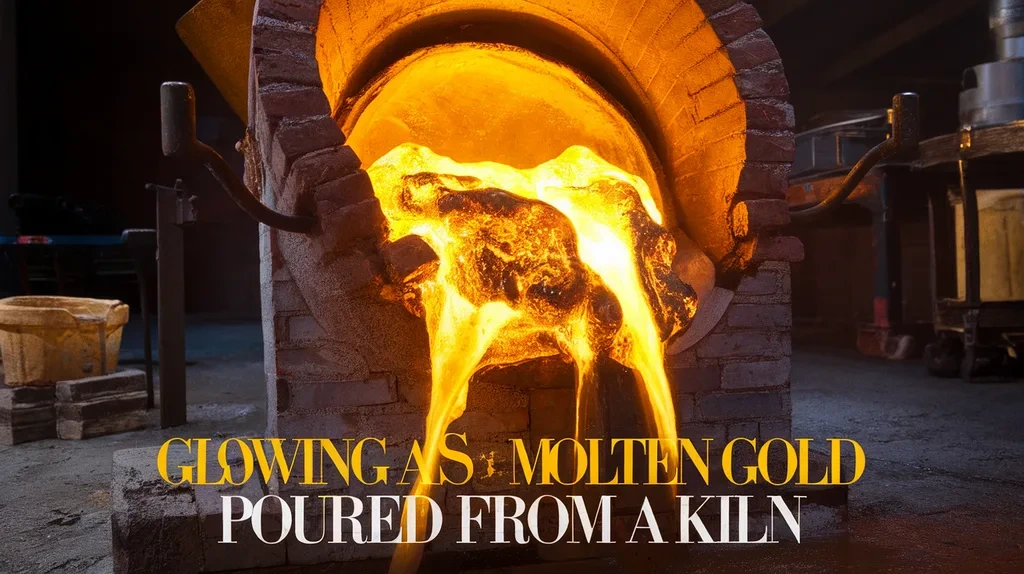
Meaning: This simile compares the sun’s glow, especially at sunset, to liquid gold, emphasizing richness and fluid brilliance.
Usage Insight: It’s effective in richly descriptive or lyrical writing, particularly during sunset or sunrise scenes.
Example Sentences:
- The horizon shimmered, the sun glowing as molten gold poured from a kiln across the evening sky.
- She watched the sun sink lower, glowing as molten gold poured from a kiln, painting the ocean in fire.
Dazzling as a Diamond Held to Light
Meaning: This simile compares the sun’s sharp brilliance to the sparkle of a diamond catching light from every angle.
Usage Insight: It’s ideal for moments emphasizing beauty, clarity, or a striking visual impact, especially in vivid outdoor scenes.
Example Sentences:
- The sun reflected off the snow, dazzling as a diamond held to light, almost too bright to look at directly.
- Through the car window, the sun flashed dazzling as a diamond held to light with every turn of the road.
Powerful as a King Upon His Throne
Meaning: This simile compares the sun’s dominant presence in the sky to the authority and command of a ruling king.
Usage Insight: It works well in grand, sweeping, or symbolic writing, particularly when emphasizing the sun’s central, unrivaled position.
Example Sentences:
- The sun sat high above the valley, powerful as a king upon his throne, commanding every shadow below.
- Nothing challenged the sky that afternoon, the sun powerful as a king upon his throne over the silent fields.
Golden as Honey Dripping from a Comb
Meaning: This simile compares the sun’s warm, thick light to the rich, amber sweetness of honey.
Usage Insight: It’s best suited for soft, sensory, or nostalgic writing, particularly late-afternoon or early-evening scenes.
Example Sentences:
- The late sunlight spilled through the window, golden as honey dripping from a comb across the wooden floor.
- Summer evenings always felt slower, the sun golden as honey dripping from a comb over the quiet backyard.
Relentless as a Drumbeat at Noon
Meaning: This simile compares the sun’s steady, unyielding heat to the persistent rhythm of a drum, emphasizing repetition and intensity.
Usage Insight: It works well in tense or physically demanding scenes, especially those involving exhaustion or endurance.
Example Sentences:
- The workers pressed on beneath a sun relentless as a drumbeat at noon, their shirts soaked with sweat.
- Hour after hour, the heat continued, relentless as a drumbeat at noon, wearing down even the strongest among them.
Gentle as a Whispered Promise
Meaning: This simile compares the soft light of early morning sun to something quietly reassuring and tender.
Usage Insight: It’s ideal for calm, reflective, or hopeful writing, particularly scenes set at dawn or moments of quiet reassurance.
Example Sentences:
- The first light of morning was gentle as a whispered promise, easing softly through the curtains.
- She woke to sunlight gentle as a whispered promise, and for the first time in weeks, felt at peace.
Fiery as a Dragon’s Breath

Meaning: This simile compares the sun’s intense heat to the mythical, scorching breath of a dragon, emphasizing raw power.
Usage Insight: It works well in fantasy, adventure, or highly dramatic writing where the sun feels almost like a living force.
Example Sentences:
- The plains shimmered under a sun fiery as a dragon’s breath, bending the air itself with heat.
- No shade could offer relief from a sun fiery as a dragon’s breath that afternoon.
Steady as a Lighthouse Guiding Ships
Meaning: This simile compares the sun’s constant, dependable presence to a lighthouse that reliably guides travelers home.
Usage Insight: It’s effective in reflective or symbolic writing, particularly when emphasizing guidance, consistency, or hope.
Example Sentences:
- Through every season of hardship, the sun remained steady as a lighthouse guiding ships, rising without fail each morning.
- She found comfort in its rhythm, the sun steady as a lighthouse guiding ships through her most uncertain days.
Brilliant as a Spotlight on an Empty Stage
Meaning: This simile compares the sun’s sharp, focused brightness to a single spotlight illuminating a stage, emphasizing drama and attention.
Usage Insight: It works well in vivid, cinematic, or theatrical writing, particularly scenes that highlight a single striking moment.
Example Sentences:
- The sun broke through the storm clouds, brilliant as a spotlight on an empty stage, illuminating the field below.
- For one dramatic moment, the sun shone brilliant as a spotlight on an empty stage, as if the sky had been waiting for its cue.
Life-Giving as Rain After Drought
Meaning: This simile compares the sun’s warmth and energy to the relief and renewal that rain brings after a long dry spell.
Usage Insight: It’s ideal for hopeful, restorative writing, particularly scenes involving recovery, renewal, or new beginnings.
Example Sentences:
- After the long winter, the sun felt life-giving as rain after drought, coaxing the first buds from the trees.
- Its warmth spread across the fields, life-giving as rain after drought, and the whole town seemed to breathe again.
How to Use Similes Effectively in Writing
Similes can transform flat description into vivid imagery, but only when used with intention. Here are some practical tips for using sun similes—and similes in general—across different types of writing:
- In poems: Choose similes that match the poem’s emotional tone. A hopeful poem calls for “gentle as a whispered promise,” while a poem about struggle might use “relentless as a drumbeat at noon.”
- In stories: Use similes to reveal a character’s emotional state without stating it directly. Instead of writing “she felt comforted,” show it through “the sun felt warm as a mother’s embrace.”
- In essays: Use similes sparingly and purposefully to clarify complex ideas or add stylistic flair, especially in reflective or narrative essays.
- In songs: Choose short, rhythmic similes that flow naturally when sung aloud, since lyrical similes need to sound as good as they read.
- In creative descriptions: Match the simile to the setting’s mood—use nature similes for organic, atmospheric scenes, and human-centered similes for emotional or personal moments.
- General rule: Avoid overusing similes in a single paragraph. One well-placed comparison is often more powerful than several stacked together.
FAQs About Brilliant Sun Similes
1. What are some brilliant sun similes for writing?
Some brilliant sun similes include “blazing as a furnace at full heat,” “golden as honey dripping from a comb,” and “radiant as a smile after good news.” Each one captures a different quality of sunlight, from intensity to warmth to joy.
2. What is the difference between a simile and a metaphor?
A simile compares two things using “like” or “as” (e.g., “the sun glowed as molten gold poured from a kiln”), while a metaphor states that one thing is another without using comparison words (e.g., “the sun was a furnace in the sky”). Similes are generally softer and more descriptive, while metaphors are more direct and symbolic.
3. Why are nature similes so effective for describing the sun?
Nature similes work well because they connect something as vast as the sun to familiar, sensory experiences like heat, light, and warmth, making the description easier to imagine and emotionally relate to.
4. Can similes be used in academic writing?
Yes, similes can be used in academic writing, particularly in reflective, narrative, or descriptive essays, but they should be used sparingly and appropriately to maintain a professional tone.
5. How do similes improve creative writing?
Similes improve creative writing by turning abstract ideas into vivid, sensory images, helping readers feel emotions and atmosphere rather than simply reading facts.
Conclusion
The sun has always represented more than just light and heat—it symbolizes power, warmth, hope, and the steady rhythm of life itself, making it one of the richest subjects for figurative language. Brilliant sun similes give writers a way to capture that power in all its forms, from gentle morning warmth to fierce midday intensity. By comparing the sun to furnaces, honey, lighthouses, or a mother’s embrace, these similes add clarity, imagery, and emotional depth that plain description simply can’t achieve. Whether you’re writing poetry, fiction, essays, or song lyrics, choosing the right simile can turn a simple mention of sunlight into a moment readers truly feel. The next time you want to describe the sun, reach for one of these comparisons and let your writing shine just as brilliantly.