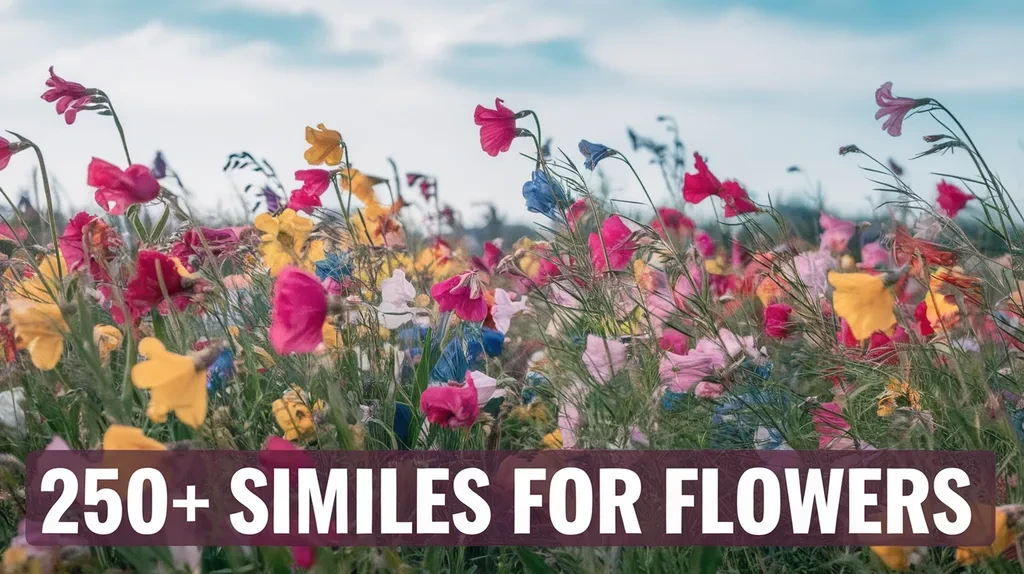
Flowers have inspired poets, writers, and artists for centuries with their beauty, fragrance, colors, and symbolism. Whether growing in a wild meadow, blooming in a garden, or decorating a special occasion, flowers capture attention and stir emotions. One of the best ways to describe flowers creatively is through similes. Similes compare two unlike things using the words “like” or “as,” helping readers create vivid mental images.
They are an essential part of figurative language because they add beauty, depth, and emotion to writing. Similes in literature often use flowers to symbolize love, hope, growth, happiness, and renewal. Nature itself is filled with inspiring comparisons that make descriptions more engaging and memorable.
Trees, in particular, symbolize strength, growth, resilience, wisdom, and human emotion, making them powerful companions to floral imagery in creative writing. In this guide, you’ll discover creative similes for flowers, complete with meanings, examples, and writing tips that will help bring your descriptions to life.
What Is a Simile?
A simile is a figure of speech that compares two different things using the words “like” or “as.” Similes help readers understand an image, idea, or emotion by connecting it to something familiar.
Example:
The rose was as red as a glowing sunset.
This simile creates a vivid picture of the flower’s rich color and beauty.
As Bright as a Field of Daisies
Meaning
Represents cheerfulness, beauty, and positivity.
Usage Insight
Perfect for describing colorful flowers and joyful scenes.
Examples
- Her garden was as bright as a field of daisies.
- The bouquet looked as bright as a field of daisies on a summer morning.
Like Stars Scattered Across a Meadow
Meaning
Describes flowers spread beautifully across a landscape.
Usage Insight
Ideal for poetic and nature-inspired writing.
Examples
- The wildflowers appeared like stars scattered across a meadow.
- Tiny blossoms sparkled like stars scattered across a meadow.
As Delicate as Morning Dew
Meaning
Represents softness, fragility, and beauty.
Usage Insight
Excellent for describing gentle flowers.
Examples
- The petals were as delicate as morning dew.
- Her touch felt as delicate as morning dew on flowers.
Like Butterflies Resting on Green Leaves
Meaning
Describes colorful flowers appearing light and graceful.
Usage Insight
Perfect for vivid garden descriptions.
Examples
- The blossoms looked like butterflies resting on green leaves.
- Bright flowers fluttered visually like butterflies resting on green leaves.
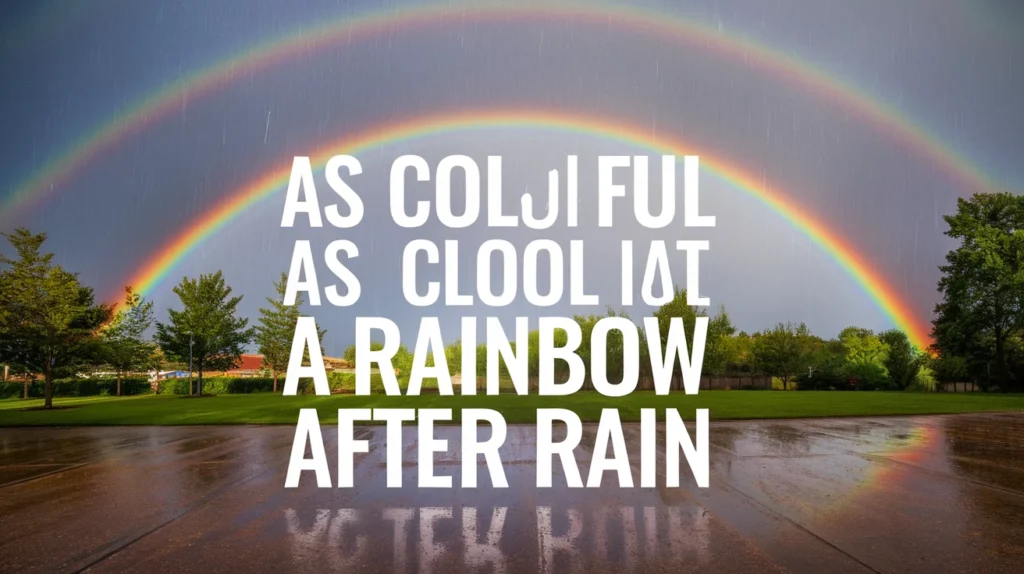
As Colorful as a Rainbow After Rain
Meaning
Represents vibrant colors and natural beauty.
Usage Insight
Useful for describing diverse flower displays.
Examples
- The flower bed was as colorful as a rainbow after rain.
- The spring garden appeared as colorful as a rainbow after rain.
Like Jewels Sparkling in Sunlight
Meaning
Describes flowers shining beautifully in the light.
Usage Insight
Ideal for elegant and visual imagery.
Examples
- The tulips looked like jewels sparkling in sunlight.
- Fresh blossoms glimmered like jewels sparkling in sunlight.
As Gentle as a Whispering Breeze
Meaning
Represents softness and peaceful beauty.
Usage Insight
Perfect for calm and reflective writing.
Examples
- The petals moved as gentle as a whispering breeze.
- The flowers swayed as gentle as a whispering breeze.
Like Paint Splashed Across Nature’s Canvas
Meaning
Describes a vibrant and colorful collection of flowers.
Usage Insight
Useful for artistic descriptions.
Examples
- The meadow looked like paint splashed across nature’s canvas.
- Wildflowers spread like paint splashed across nature’s canvas.
As Fresh as Spring Rain
Meaning
Represents new life, renewal, and vitality.
Usage Insight
Excellent for describing blooming flowers.
Examples
- The blossoms looked as fresh as spring rain.
- Her floral arrangement appeared as fresh as spring rain.
Like Tiny Lanterns Lighting a Garden
Meaning
Describes flowers standing out brightly.
Usage Insight
Perfect for evening or colorful garden scenes.
Examples
- The flowers glowed like tiny lanterns lighting a garden.
- Bright blooms appeared like tiny lanterns lighting a garden.
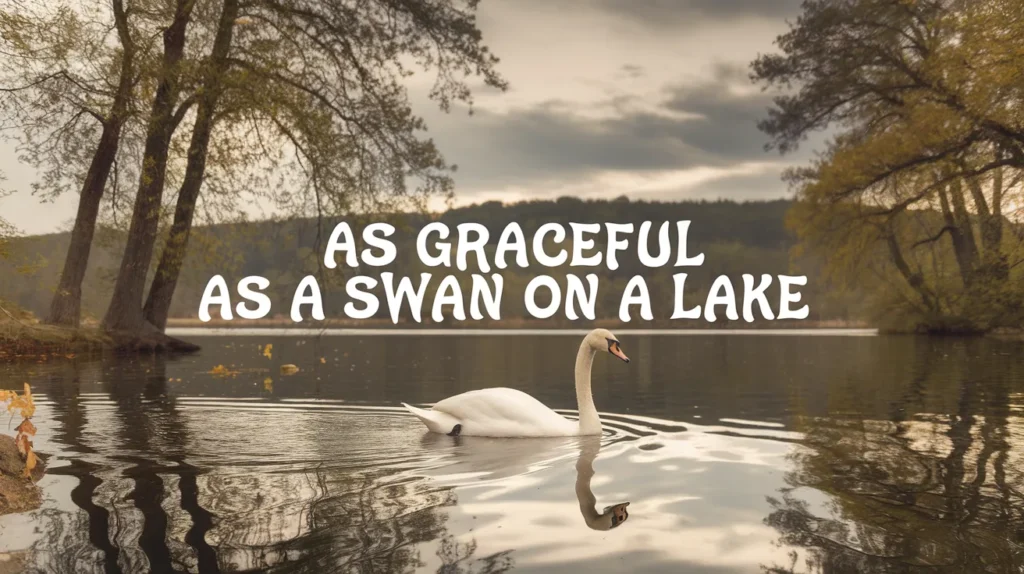
As Graceful as a Swan on a Lake
Meaning
Represents elegance and beauty.
Usage Insight
Ideal for describing sophisticated flowers.
Examples
- The lilies stood as graceful as a swan on a lake.
- The orchid appeared as graceful as a swan on a lake.
Like Sunshine Captured in Petals
Meaning
Represents warmth, brightness, and happiness.
Usage Insight
Useful for describing yellow and golden flowers.
Examples
- The sunflowers looked like sunshine captured in petals.
- The blooms seemed like sunshine captured in petals.
As Sweet as Honey in Spring
Meaning
Describes fragrant and appealing flowers.
Usage Insight
Perfect for emphasizing scent and attraction.
Examples
- The roses smelled as sweet as honey in spring.
- The garden air felt as sweet as honey in spring.
Like Clouds Floating Over Green Hills
Meaning
Describes clusters of soft white flowers.
Usage Insight
Ideal for peaceful and dreamy imagery.
Examples
- White blossoms looked like clouds floating over green hills.
- The flowering shrubs appeared like clouds floating over green hills.
As Timeless as a Blooming Rose
Meaning
Represents enduring beauty and elegance.
Usage Insight
Excellent for symbolic and literary writing.
Examples
- Her charm was as timeless as a blooming rose.
- The flower arrangement seemed as timeless as a blooming rose.
How to Use Similes Effectively in Writing
Similes can transform ordinary flower descriptions into vivid and memorable imagery.
- Choose comparisons that match the flower’s appearance or symbolism.
- Use nature similes to create strong visual connections.
- Avoid overused clichés when possible.
- Match the simile to the mood of your writing.
- Create original comparisons for unique descriptions.
- In poems, similes enhance beauty and emotion.
- In stories, they help readers visualize settings.
- In essays, they can clarify descriptive details.
- In songs, similes create memorable imagery.
- Always ensure the comparison strengthens the message.
FAQs
What are similes for flowers?
Similes for flowers are comparisons that use “like” or “as” to describe a flower’s beauty, color, fragrance, shape, or symbolism.
What is an example of a simile for flowers?
An example is: “The rose was as red as a glowing sunset.”
What is the difference between a simile and a metaphor?
A simile compares two things using “like” or “as,” while a metaphor directly states that one thing is another.
Why are flower similes common in literature?
Flowers symbolize beauty, growth, love, and renewal, making them powerful subjects for figurative language.
Can flower similes be used in academic writing?
Yes. When used appropriately, similes can make descriptions clearer and more engaging.
Conclusion
Similes for flowers are powerful figurative language examples that help writers capture the beauty, elegance, fragrance, and symbolism of blossoms through vivid comparisons. Whether flowers are described as bright as a field of daisies, colorful as a rainbow after rain, or delicate as morning dew, these similes create memorable imagery that enriches writing. By using thoughtful and creative comparisons, writers can add clarity, emotion, and visual appeal to poems, stories, essays, speeches, and songs. The best similes for flowers celebrate the wonder of nature while helping readers connect with the beauty around them. Keep exploring fresh comparisons, and you’ll discover endless ways to make your writing bloom with creativity and life.