Humor is one of the most enjoyable elements of language, and similes are a fantastic way to make funny descriptions even more entertaining. Similes compare two different things using the words “like” or “as,” helping readers create vivid mental images. They are an essential part of figurative language because they make writing more engaging, memorable, and expressive. Whether you’re writing a story, poem, speech, or social media post, similes can add personality and charm to your words.
Funny similes are especially useful because they create unexpected comparisons that make readers smile or laugh. Trees, often used as symbols in literature, represent strength, growth, resilience, wisdom, and human emotion. Just as trees bend with the wind and continue growing through every season, people use humor to navigate life’s challenges. In this guide, you’ll discover creative similes for funny, complete with meanings, usage tips, and examples that can bring humor and imagination to your writing.
What Is a Simile?
A simile is a figure of speech that compares two unlike things using the words “like” or “as.” It helps readers understand an idea by connecting it to something familiar.
Example:
His joke was as funny as a monkey trying to dance in roller skates.
This simile creates a humorous image that immediately makes the description more entertaining.
As Funny as a Penguin Wearing Sunglasses
Meaning
Describes something unexpectedly amusing and silly.
Usage Insight
Works well when highlighting lighthearted humor.
Examples
- His costume was as funny as a penguin wearing sunglasses.
- The advertisement was as funny as a penguin wearing sunglasses.
Like a Goat Trying to Sing Opera
Meaning
Represents awkward but hilarious behavior.
Usage Insight
Perfect for describing unintentionally funny situations.
Examples
- His attempt at karaoke was like a goat trying to sing opera.
- The performance was like a goat trying to sing opera, but everyone loved it.
As Funny as a Squirrel Chasing Its Own Tail
Meaning
Suggests playful and entertaining confusion.
Usage Insight
Useful for describing amusing mistakes.
Examples
- The puppy looked as funny as a squirrel chasing its own tail.
- He ran around the office as funny as a squirrel chasing its own tail.
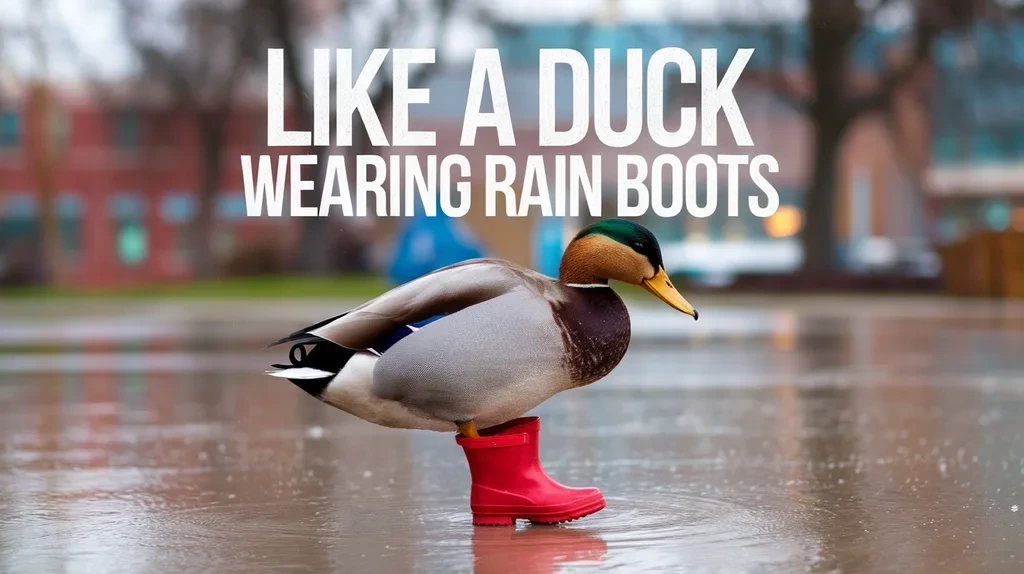
Like a Duck Wearing Rain Boots
Meaning
Describes something delightfully absurd.
Usage Insight
Ideal for humorous storytelling.
Examples
- The cartoon character looked like a duck wearing rain boots.
- His outfit was like a duck wearing rain boots.
As Funny as a Cat Watching a Magic Trick
Meaning
Represents curiosity mixed with amusing reactions.
Usage Insight
Works best when describing funny facial expressions.
Examples
- Her expression was as funny as a cat watching a magic trick.
- The audience looked as funny as cats watching a magic trick.
Like Popcorn Exploding in Every Direction
Meaning
Describes laughter spreading rapidly.
Usage Insight
Perfect for lively and energetic scenes.
Examples
- The jokes spread through the room like popcorn exploding in every direction.
- Laughter burst out like popcorn exploding in every direction.
As Funny as a Frog Wearing a Crown
Meaning
Suggests charming silliness.
Usage Insight
Useful for playful and whimsical descriptions.
Examples
- The children’s drawing was as funny as a frog wearing a crown.
- The mascot looked as funny as a frog wearing a crown.
Like a Windmill Trying to Dance
Meaning
Represents clumsy but entertaining movement.
Usage Insight
Great for describing awkward actions.
Examples
- He danced like a windmill trying to dance.
- The robot moved like a windmill trying to dance.
As Funny as a Parrot Telling Secrets
Meaning
Describes unexpected humor.
Usage Insight
Ideal for clever jokes and surprising comments.
Examples
- Her remark was as funny as a parrot telling secrets.
- The conversation became as funny as a parrot telling secrets.
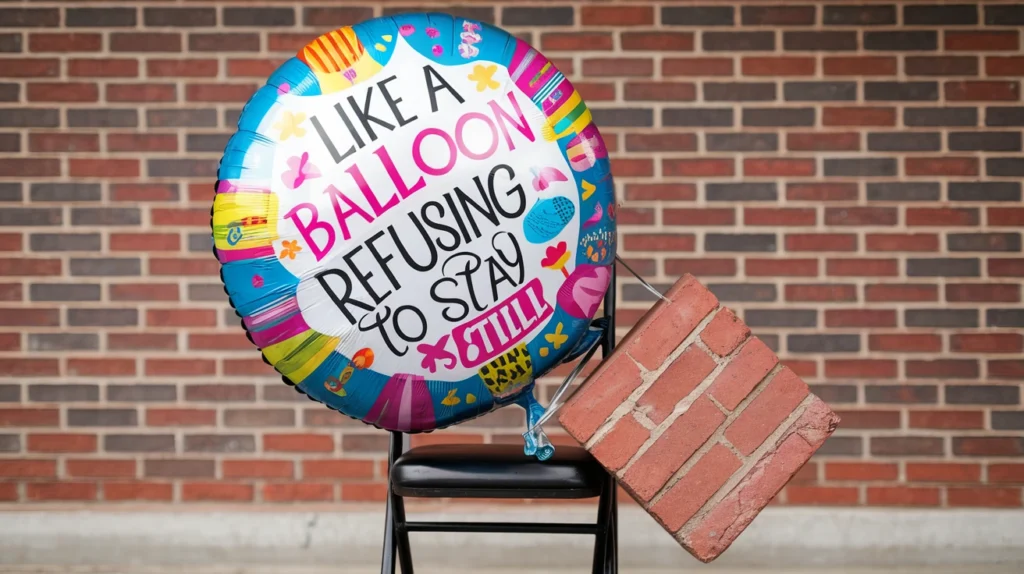
Like a Balloon Refusing to Stay Still
Meaning
Represents energetic and playful behavior.
Usage Insight
Works well for lively characters.
Examples
- The child bounced around like a balloon refusing to stay still.
- His excitement was like a balloon refusing to stay still.
As Funny as a Bear on a Bicycle
Meaning
Suggests a ridiculous but entertaining image.
Usage Insight
Excellent for exaggerated humor.
Examples
- The comedy sketch was as funny as a bear on a bicycle.
- His balancing act looked as funny as a bear on a bicycle.
Like a Chicken Solving a Puzzle
Meaning
Describes amusing confusion.
Usage Insight
Perfect for lighthearted situations.
Examples
- He looked like a chicken solving a puzzle.
- The team’s first attempt was like a chicken solving a puzzle.
As Funny as Leaves Trying to Race the Wind
Meaning
Represents playful and natural humor.
Usage Insight
A great nature simile for creative writing.
Examples
- The children were as funny as leaves trying to race the wind.
- Their game looked as funny as leaves trying to race the wind.
Like a Snowman Wearing Flip-Flops
Meaning
Describes something hilariously out of place.
Usage Insight
Works well for absurd comparisons.
Examples
- His fashion choice was like a snowman wearing flip-flops.
- The scene felt like a snowman wearing flip-flops.
As Funny as a Monkey Discovering a Mirror
Meaning
Represents surprise, curiosity, and laughter.
Usage Insight
Perfect for humorous storytelling and character descriptions.
Examples
- Her reaction was as funny as a monkey discovering a mirror.
- The audience laughed at him as if he were a monkey discovering a mirror.
How to Use Similes Effectively in Writing
Similes can make your writing more entertaining and memorable when used thoughtfully.
- Choose comparisons that readers can instantly picture.
- Use humor naturally rather than forcing jokes.
- Create original similes instead of relying on clichés.
- Match the simile to the tone of your writing.
- Use nature similes to add creativity and freshness.
- In poems, similes can create playful imagery.
- In stories, they help develop characters and scenes.
- In essays, use similes carefully to clarify ideas.
- In songs, similes can make lyrics more memorable.
- Avoid overusing similes in every sentence.
FAQs
What are similes for funny?
Similes for funny are comparisons that use “like” or “as” to describe something humorous, entertaining, or amusing.
What is an example of a funny simile?
An example is: “His joke was as funny as a monkey trying to dance in roller skates.”
What is the difference between a simile and a metaphor?
A simile uses words such as “like” or “as” to compare things, while a metaphor makes a direct comparison without using those words.
Why are similes important in creative writing?
Similes help create vivid imagery, improve reader engagement, and make descriptions more memorable.
Can similes be used in academic writing?
Yes. Similes can be used carefully in academic writing to explain concepts and improve understanding.
Conclusion
Similes for funny are powerful tools that help writers create laughter, vivid imagery, and memorable descriptions. Whether something is described as funny as a penguin wearing sunglasses, like a goat trying to sing opera, or as funny as a monkey discovering a mirror, these comparisons add personality and charm to writing. By using creative similes thoughtfully, writers can make poems, stories, essays, speeches, and everyday conversations more engaging and enjoyable. The best funny similes combine imagination with relatable imagery, helping readers connect with the humor instantly. Keep experimenting with new comparisons, and you’ll discover endless ways to make your writing more entertaining and expressive.