
Have you ever wanted to describe boredom in a way that feels fresh, memorable, and easy for readers to imagine? Similes are one of the best tools for making ordinary emotions come alive through clear and creative comparisons. They help readers picture feelings instead of simply reading about them, making writing more engaging and expressive.
Whether you are writing a story, poem, essay, or speech, similes add color and personality to your words. Nature, everyday experiences, and familiar objects often provide powerful inspiration because readers instantly recognize the images they create. Good figurative language examples can turn a simple sentence into one that leaves a lasting impression.
Similes have been used throughout literature to express emotions with beauty, humor, and depth, making them an essential part of effective writing. In this guide, you’ll discover some of the best similes for bored, along with meanings, examples, and practical tips for using them naturally.
What Is a Simile?
A simile is a figure of speech that compares two different things using the words “like” or “as” to create a vivid mental image.
Example:
She was as busy as a bee.
This comparison helps readers immediately imagine someone working energetically without simply saying they were busy.
Like a Clock with No Hands
Meaning
This simile describes someone who feels completely stuck, with nothing interesting happening and no sense of progress.
Usage Insight
Use this simile when writing about waiting, dull routines, or situations where time seems meaningless.
Examples
- I sat through the meeting like a clock with no hands, wondering when it would finally end.
- During the long flight delay, everyone looked like clocks with no hands.
As Bored as Dry Paint
Meaning
It describes extreme boredom during slow or uninteresting activities.
Usage Insight
This comparison works especially well in humorous or conversational writing.
Examples
- The lecture was as bored as dry paint could make anyone feel.
- We spent the afternoon feeling as bored as dry paint.
Like a Bird in an Empty Cage
Meaning
It expresses boredom caused by having nothing meaningful to do.
Usage Insight
This simile fits stories where characters feel trapped by inactivity.
Examples
- During the rainy weekend, I felt like a bird in an empty cage.
- He wandered through the house like a bird in an empty cage.
As Quiet as an Unopened Book
Meaning
This simile suggests that nothing exciting or interesting is happening.
Usage Insight
Perfect for describing peaceful but uneventful moments.
Examples
- The classroom felt as quiet as an unopened book.
- My afternoon was as quiet as an unopened book.
Like a Snail Crossing an Endless Road
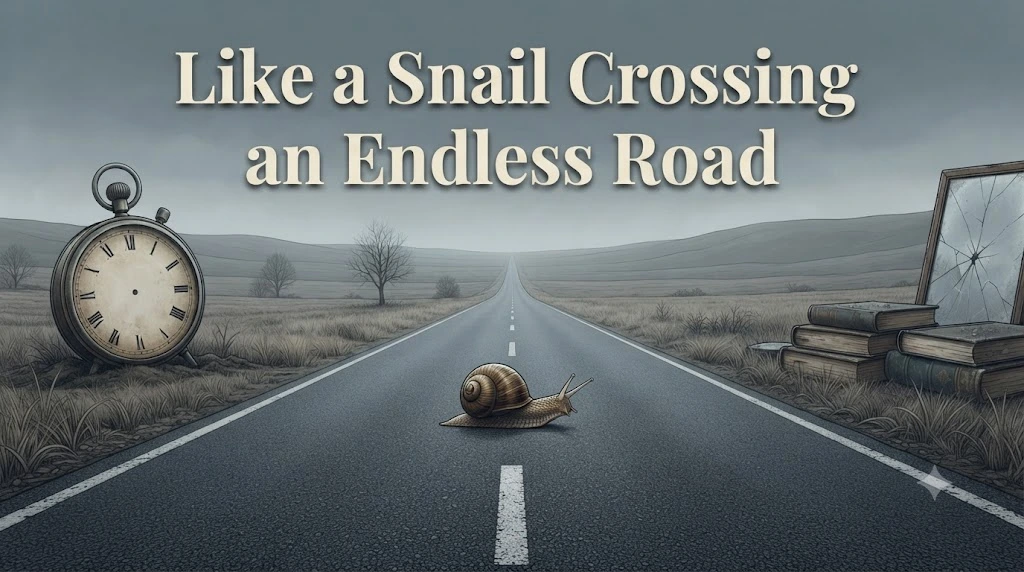
Meaning
It describes time passing painfully slowly.
Usage Insight
Use it whenever a character feels impatient during long waits.
Examples
- The final hour at work moved like a snail crossing an endless road.
- Summer school felt like a snail crossing an endless road.
As Empty as an Abandoned Playground
Meaning
This simile reflects emotional emptiness and the absence of excitement.
Usage Insight
Ideal for emotional storytelling and reflective writing.
Examples
- My weekend felt as empty as an abandoned playground.
- Without my friends around, the house seemed as empty as an abandoned playground.
Like a Cloud That Never Moves
Meaning
It suggests endless stillness and monotony.
Usage Insight
This nature simile creates calm yet dull imagery.
Examples
- The afternoon stretched like a cloud that never moves.
- We waited like clouds that never moved.
As Lifeless as a Battery Without Charge
Meaning
This comparison shows both boredom and a lack of energy.
Usage Insight
Excellent for modern, relatable writing.
Examples
- By evening, I felt as lifeless as a battery without charge.
- The audience looked as lifeless as batteries without charge.
Like a Song Stuck on One Note
Meaning
It represents repetitive experiences that become tiresome.
Usage Insight
Great for describing repetitive routines.
Examples
- My daily schedule felt like a song stuck on one note.
- The conversation sounded like a song stuck on one note.
As Still as a Pond Without Wind
Meaning
This nature simile highlights complete inactivity.
Usage Insight
Use it in descriptive writing to create peaceful yet boring scenes.
Examples
- The office was as still as a pond without wind.
- The afternoon remained as still as a pond without wind.
Like a Desert Without Rain
Meaning
It symbolizes a complete lack of excitement or inspiration.
Usage Insight
This comparison works well in emotional and literary writing.
Examples
- My imagination felt like a desert without rain.
- The vacation became like a desert without rain after the attractions closed.
As Slow as Winter Shadows
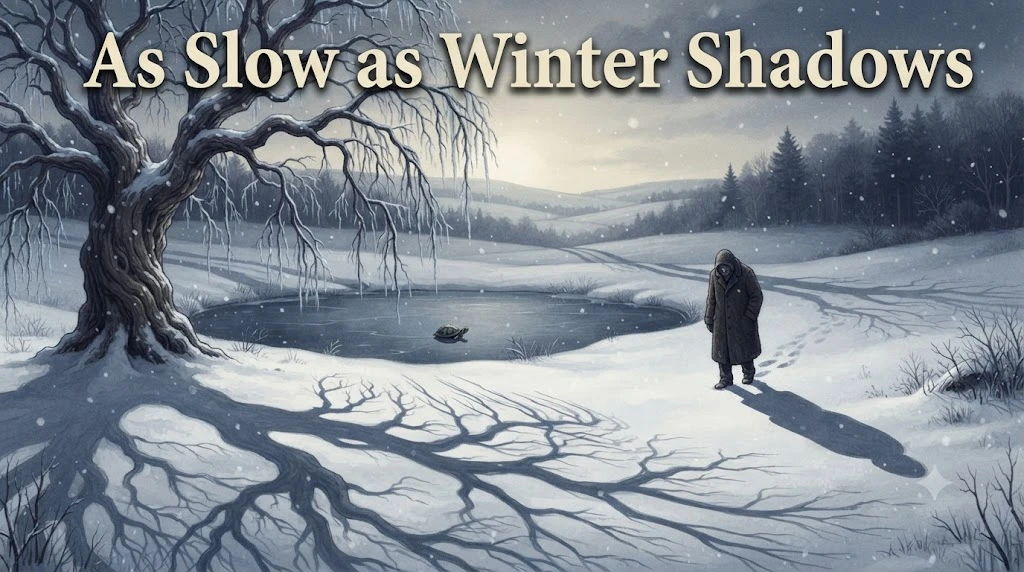
Meaning
This simile emphasizes how slowly time appears to move.
Usage Insight
Ideal for poems and descriptive narratives.
Examples
- The school day passed as slow as winter shadows.
- Every minute felt as slow as winter shadows.
Like Watching Grass Grow
Meaning
A classic comparison for something extremely dull.
Usage Insight
This familiar simile fits both casual and formal writing.
Examples
- Waiting in line was like watching grass grow.
- The presentation felt like watching grass grow.
As Dull as a Sky Without Stars
Meaning
It describes something lacking beauty, excitement, or inspiration.
Usage Insight
This simile creates vivid imagery in stories and poems.
Examples
- The evening seemed as dull as a sky without stars.
- The event became as dull as a sky without stars.
Like an Echo in an Empty Hall
Meaning
It expresses loneliness, repetition, and emotional boredom.
Usage Insight
This comparison is especially effective in literary and reflective writing.
Examples
- My thoughts echoed like an echo in an empty hall.
- The silent afternoon felt like an echo in an empty hall.
How to Use Similes Effectively in Writing
Strong similes make your writing more memorable by helping readers visualize emotions and experiences. Here are some practical tips for using them effectively:
- Choose comparisons that your audience can easily recognize.
- Match the simile to the mood of your story, poem, or essay.
- Use nature similes to create vivid imagery and emotional depth.
- Avoid overusing similes, as too many comparisons can distract readers.
- Make every comparison meaningful rather than decorative.
- Read your sentences aloud to ensure they sound natural.
- Use figurative language examples that fit the character, setting, or situation.
- Study similes in literature to learn how experienced writers create memorable descriptions.
- Mix familiar comparisons with original ones to keep your writing fresh.
- Revise your work to remove repetitive or unnecessary similes.
FAQs
What are similes for bored?
Similes for bored are comparisons that describe the feeling of boredom by using “like” or “as.” They help readers picture emotions more clearly and make writing more engaging.
What is the difference between a simile and a metaphor?
A simile compares two things using “like” or “as,” while a metaphor states that one thing is another without using those comparison words.
Why are similes important in creative writing?
Similes add imagery, emotion, and personality to writing. They help readers visualize scenes and connect more deeply with characters and ideas.
Can similes be used in academic writing?
Yes. Although academic writing is generally more formal, similes can be useful in introductions, speeches, presentations, or explanatory writing when used carefully and appropriately.
Where can I find good figurative language examples?
Reading novels, poetry, classic literature, and high-quality essays is an excellent way to discover creative similes, metaphors, and other forms of figurative language.
Conclusion
Mastering similes for bored allows writers to transform an ordinary emotion into vivid, memorable imagery that captures a reader’s attention. Whether you prefer nature similes, everyday comparisons, or more imaginative figurative language examples, the right simile can make your descriptions more expressive and engaging. From stories and poems to essays and songs, thoughtful comparisons bring emotions to life while improving clarity and creativity. By studying similes in literature and practicing your own original comparisons, you’ll develop a stronger writing style that resonates with readers. Keep experimenting with fresh imagery, and you’ll discover that even the feeling of boredom can inspire compelling and unforgettable writing.