
War has shaped history, inspired literature, and stirred some of the strongest emotions people can experience. One of the most effective ways to describe the chaos, courage, destruction, and hope connected with war is through similes. Similes help readers picture scenes more vividly by comparing one thing to another using words such as “like” or “as.”
They make writing more emotional, memorable, and engaging without becoming overly complicated. Figurative language allows writers to express feelings that plain descriptions often cannot capture. Although nature is often associated with peace, it also provides powerful images of storms, fires, mountains, and rivers that mirror the intensity of conflict.
These nature similes help readers understand both the physical and emotional realities of war. Whether you are writing a poem, story, essay, or speech, learning strong similes for war will make your writing richer, more expressive, and more impactful.
What Is a Simile?
A simile is a figure of speech that compares two different things using the words “like” or “as.” Similes make descriptions more vivid by connecting unfamiliar ideas with familiar images.
Example:
The battlefield was like a raging storm, swallowing everything in its path.
This comparison helps readers imagine the confusion, power, and destruction of war through the familiar image of a violent storm.
Like a Raging Storm
Meaning
This simile compares war to a violent storm that arrives suddenly, causes destruction, and leaves devastation behind.
Usage Insight
Use this simile when describing the chaos, unpredictability, and overwhelming force of battle or conflict.
Examples
- The fighting swept across the valley like a raging storm, leaving ruined homes behind.
- Fear spread through the village like a raging storm before the first shot was fired.
As Relentless as Ocean Waves
Meaning
This comparison emphasizes the continuous and exhausting nature of war.
Usage Insight
It works well when describing repeated attacks, endless struggles, or emotional exhaustion.
Examples
- The enemy’s attacks were as relentless as ocean waves crashing against the shore.
- Grief returned as relentless as ocean waves after every battle report.
Like a Wildfire Through a Forest
Meaning
War often spreads rapidly, affecting everything in its path, much like a wildfire.
Usage Insight
Use this simile to describe the rapid expansion of conflict or violence.
Examples
- The rebellion spread like a wildfire through a forest.
- Rumors of invasion moved like a wildfire through frightened communities.
As Heavy as a Mountain
Meaning
This simile represents the emotional or physical burden that war places on people.
Usage Insight
Ideal for describing responsibility, loss, sacrifice, or sorrow.
Examples
- The commander’s decisions felt as heavy as a mountain.
- The weight of loss settled on her heart as heavy as a mountain.
Like Thunder Shaking the Sky
Meaning
War can be loud, frightening, and impossible to ignore.
Usage Insight
Use this comparison for explosions, artillery, or dramatic moments.
Examples
- The cannons roared like thunder shaking the sky.
- The explosion echoed like thunder shaking the sky for miles.
As Sharp as a Hawk’s Sight
Meaning
Successful soldiers and leaders often require exceptional awareness and observation.
Usage Insight
This simile fits scenes involving strategy, scouting, or careful planning.
Examples
- The scout’s vision was as sharp as a hawk’s sight.
- She watched the battlefield as sharp as a hawk’s sight.
Like an Earthquake Breaking the Ground
Meaning
War can completely transform lives and societies, just as earthquakes reshape landscapes.
Usage Insight
Perfect for describing life-changing events and widespread destruction.
Examples
- The invasion struck like an earthquake breaking the ground beneath them.
- The conflict changed the nation like an earthquake breaking the earth apart.
As Cold as Winter Ice
Meaning
This simile represents emotional distance, cruelty, or merciless decisions during war.
Usage Insight
Use it when describing harsh leaders, difficult choices, or the emotional effects of conflict.
Examples
- His orders were as cold as winter ice.
- The prison camp felt as cold as winter ice despite the summer sun.
Like Wolves Hunting Together
Meaning
This comparison highlights teamwork, coordination, and strategic cooperation.
Usage Insight
Excellent for describing disciplined military units or coordinated missions.
Examples
- The soldiers moved like wolves hunting together.
- The rescue team advanced like wolves hunting together.
As Bright as a Beacon in Darkness
Meaning
Hope often shines during difficult times, even in war.
Usage Insight
Use this simile to describe courage, leadership, or acts of kindness.
Examples
- Her bravery was as bright as a beacon in darkness.
- The peace agreement appeared as bright as a beacon in darkness.
Like a River Carving Stone
Meaning
Even small actions repeated over time can change the course of war.
Usage Insight
This simile works well when describing persistence and gradual progress.
Examples
- Their determination worked like a river carving stone.
- Years of diplomacy shaped peace like a river carving stone.
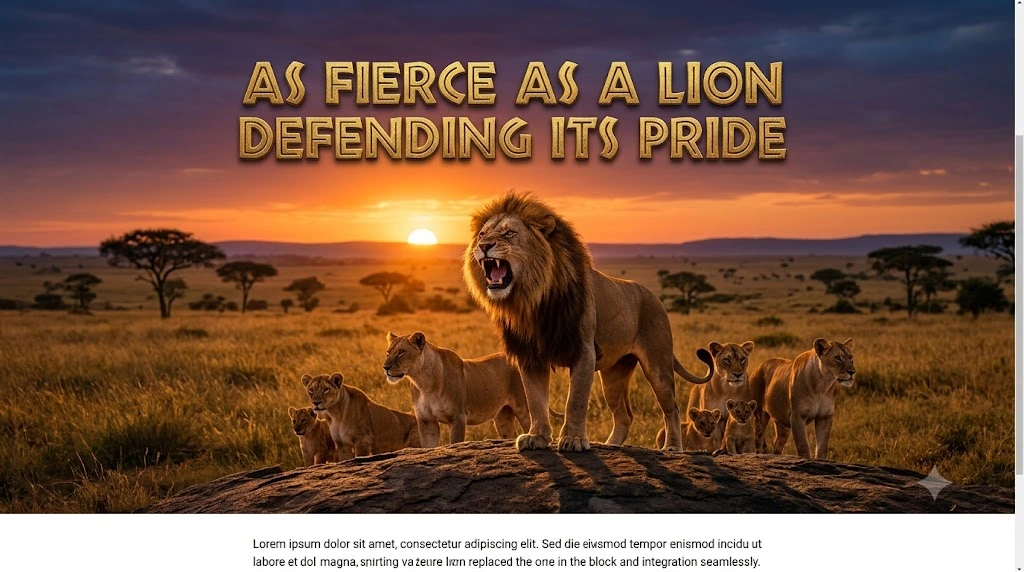
As Fierce as a Lion Defending Its Pride
Meaning
This comparison symbolizes extraordinary courage and determination.
Usage Insight
Best used when describing defenders protecting their homeland or loved ones.
Examples
- The defenders fought as fierce as a lion defending its pride.
- She stood as fierce as a lion defending its pride.
Like Smoke Covering the Horizon
Meaning
War often brings uncertainty, fear, and confusion.
Usage Insight
Use this simile when creating suspense or describing the aftermath of battle.
Examples
- Anxiety spread like smoke covering the horizon.
- The future looked like smoke covering the horizon after the ceasefire collapsed.
As Unyielding as an Ancient Oak
Meaning
This simile represents endurance, resilience, and unwavering determination.
Usage Insight
Perfect for describing brave individuals who refuse to surrender despite hardship.
Examples
- The commander remained as unyielding as an ancient oak.
- The community stood as unyielding as an ancient oak through years of conflict.
Like Dawn After the Longest Night
Meaning
This comparison symbolizes peace, recovery, and new beginnings after war.
Usage Insight
Use it in hopeful conclusions or stories about rebuilding and healing.
Examples
- Peace arrived like dawn after the longest night.
- Their reunion felt like dawn after the longest night of war.
How to Use Similes Effectively in Writing
Strong similes make writing easier to visualize and more emotionally engaging. When using similes, choose comparisons that naturally match the mood of your writing instead of forcing dramatic imagery. poems, use similes to create emotion and rhythm. In stories, they help readers picture characters, settings, and action scenes more clearly. In essays, similes can make explanations memorable when used sparingly and appropriately. Songwriters often use similes to express love, loss, hope, courage, and conflict in relatable ways. Creative descriptions become more vivid when they connect human emotions with familiar images from nature, everyday life, or history. Finally, avoid overusing similes—carefully chosen comparisons are usually more powerful than constant figurative language.
FAQs
What are similes for war?
Similes for war are comparisons that use “like” or “as” to describe battles, soldiers, emotions, destruction, courage, or peace in a vivid and imaginative way. They help readers better understand the intensity and emotional impact of conflict.
What is the difference between a simile and a metaphor?
A simile compares two things using “like” or “as,” while a metaphor states that one thing is another without using those comparison words.
Why are similes important in literature?
Similes in literature create vivid imagery, strengthen emotional impact, improve descriptions, and help readers connect more deeply with characters, settings, and themes.
Can I use similes in academic writing?
Yes, but use them carefully. Similes can clarify complex ideas and improve readability, though they should remain appropriate for the tone and purpose of academic writing.
How do nature similes improve creative writing?
Nature similes draw on familiar images such as storms, rivers, mountains, forests, and sunlight to create powerful comparisoCns that make descriptions more memorable and emotionally engaging.
conclusion
Similes for war transform ordinary descriptions into memorable, emotionally rich images that capture both the devastation of conflict and the resilience of the human spirit. Whether you compare war to a raging storm, a relentless ocean, or the first light of dawn after darkness, thoughtful comparisons help readers experience your words rather than simply read them.
By understanding how similes work and using them with purpose, you can strengthen poems, stories, essays, speeches, and creative descriptions alike. Combining vivid figurative language, carefully chosen nature similes, and meaningful comparisons allows your writing to become clearer, more expressive, and more engaging. As you continue developing your writing skills, these similes for war will help you communicate powerful emotions, create lasting imagery, and leave a stronger impression on every reader.