Stars have fascinated humans for thousands of years, and writers have always searched for the right words to capture their quiet, glittering magic. A simile is a figure of speech that compares two unlike things using “like” or “as,” turning ordinary description into something readers can truly picture and feel. Similes matter in figurative language because they help abstract or distant ideas—like the vastness of the night sky—feel personal, vivid, and emotionally real.
When a writer compares stars to “diamonds scattered on velvet,” the reader doesn’t just imagine light in the sky, they feel its beauty and wonder. Nature similes are especially powerful for describing stars, since the night sky already carries deep symbolic weight: hope, distance, mystery, guidance, and dreams. Just as trees are often used to symbolize strength, growth, resilience, and quiet wisdom, stars are used to symbolize aspiration, constancy, and the beauty of things larger than ourselves.
Great similes in literature use this kind of celestial imagery to create atmosphere and stir emotion without ever feeling heavy-handed. In this article, you’ll discover 15 of the most beautiful similes to describe stars, complete with meanings, usage insights, and example sentences to elevate your own writing.
What Is a Simile?
A simile is a comparison between two different things, usually joined by “like” or “as,” used to make writing more vivid and expressive. Instead of simply stating a fact, a simile helps the reader visualize or emotionally connect with an idea. For example, saying “the stars glittered like diamonds scattered across black velvet” instantly creates a rich, sparkling image, far more powerful than simply saying “the stars were bright.”
Bright as Diamonds Scattered on Velvet
Meaning:
This simile compares stars to precious jewels spread across dark fabric, emphasizing their brilliance against the night sky.
Usage Insight:
It works best in romantic, descriptive, or luxurious writing where the writer wants to highlight beauty and elegance.
Example Sentences:
- The desert sky was bright as diamonds scattered on velvet, and neither of them wanted to look away.
- She remembered her childhood summers by the lake, the stars always bright as diamonds scattered on velvet above the water.
Twinkling as Fireflies in the Dark
Meaning:
This simile compares the flickering light of stars to the soft, dancing glow of fireflies on a summer night.
Usage Insight:
It’s ideal for warm, nostalgic, or whimsical writing, especially scenes set in childhood or rural landscapes.
Example Sentences:
- Far from the city lights, the sky was alive, stars twinkling as fireflies in the dark above the quiet fields.
- He watched the stars twinkling as fireflies in the dark, each one a small, flickering promise of something magical.
Scattered as Sugar Spilled Across Black Silk
Meaning:
This simile evokes the fine, delicate spread of countless stars across the night sky, like tiny grains catching the light.
Usage Insight:
It’s effective in richly descriptive or poetic writing, particularly when emphasizing texture and abundance.
Example Sentences:
- The stars were scattered as sugar spilled across black silk, too many to count, too beautiful to ignore.
- From the mountaintop, the galaxy stretched out scattered as sugar spilled across black silk, endless and shimmering.
Distant as Forgotten Dreams
Meaning:
This simile compares stars to dreams that feel far away yet still linger in memory, suggesting longing and reflection.
Usage Insight:
It works well in emotional or introspective writing, especially when exploring themes of nostalgia or unfulfilled hopes.
Example Sentences:
- The stars felt distant as forgotten dreams, beautiful yet impossibly out of reach.
- She gazed upward, thinking of everything she once wanted, the stars distant as forgotten dreams above her.
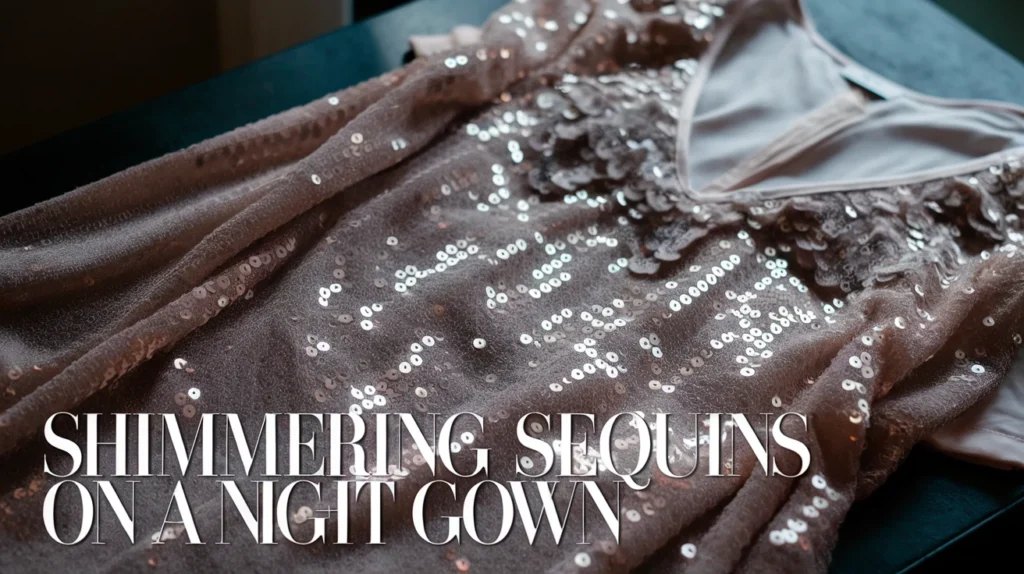
Shimmering as Sequins on a Night Gown
Meaning:
This simile compares the sparkle of stars to the glimmer of sequins catching light, suggesting elegance and glamour.
Usage Insight:
It’s best suited for descriptive writing with a touch of sophistication, such as evening scenes or celebratory moments.
Example Sentences:
- The city rooftop offered a perfect view, stars shimmering as sequins on a night gown stretched across the sky.
- As the party lights dimmed, the stars above shimmered as sequins on a night gown, quietly stealing the show.
Glowing as Lanterns Hung in the Sky
Meaning:
This simile compares stars to lanterns, suggesting warmth, guidance, and gentle illumination in the darkness.
Usage Insight:
It works well in comforting or hopeful writing, particularly scenes involving guidance, safety, or homecoming.
Example Sentences:
- The travelers found comfort in the stars glowing as lanterns hung in the sky, lighting their way home.
- Even in her darkest moments, she looked up and saw the stars glowing as lanterns hung in the sky, steady and unafraid.
Countless as Grains of Sand on a Beach
Meaning:
This simile emphasizes the sheer number of stars, comparing their abundance to the endless grains found along a shoreline.
Usage Insight:
It’s effective when describing vastness, infinity, or the overwhelming scale of the universe.
Example Sentences:
- Standing beneath the open sky, he felt small before stars countless as grains of sand on a beach.
- The astronomer smiled, reminding her students that the stars were countless as grains of sand on a beach, each one a story unto itself.
Radiant as a Bride’s Smile
Meaning:
This simile compares the glowing beauty of stars to the joyful, radiant expression of a bride, suggesting warmth and happiness.
Usage Insight:
It’s ideal for romantic or celebratory writing, especially scenes involving love, joy, or new beginnings.
Example Sentences:
- On their wedding night, the stars were radiant as a bride’s smile, blessing the evening with quiet joy.
- The sky seemed to celebrate with them, every star radiant as a bride’s smile above the garden.
Steady as Old Friends Keeping Watch
Meaning:
This simile compares the constancy of stars to the loyalty and reliability of long-standing friendships.
Usage Insight:
It works well in reflective or comforting writing, especially when describing themes of loyalty, memory, or reassurance.
Example Sentences:
- No matter where he traveled, the stars remained steady as old friends keeping watch over him each night.
- She found peace in knowing the stars were steady as old friends keeping watch, unchanged through every season of her life.
Sparkling as Dew on Morning Grass
Meaning:
This simile compares the shimmer of stars to droplets of dew catching early light, suggesting freshness and delicate beauty.
Usage Insight:
It’s best used in gentle, tranquil writing, particularly in transitional scenes between night and dawn.
Example Sentences:
- As the last hours of night lingered, the stars were sparkling as dew on morning grass, soon to fade with the sunrise.
- The sky held onto its stars a little longer, sparkling as dew on morning grass before the world woke up.
Silent as Watchful Eyes Above
Meaning:
This simile compares stars to quiet observers, suggesting a sense of being watched over or accompanied, even in solitude.
Usage Insight:
It works well in introspective or emotional writing, particularly scenes involving loneliness, comfort, or self-reflection.
Example Sentences:
- Alone on the balcony, she felt the stars silent as watchful eyes above, keeping her company without a single word.
- The stars stayed silent as watchful eyes above, as if they understood everything he couldn’t say aloud.
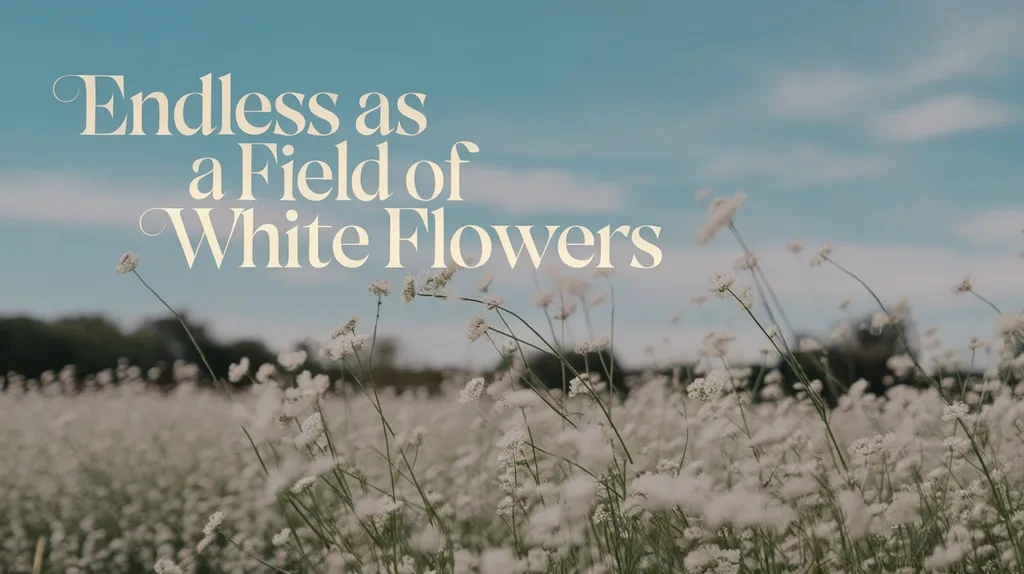
Endless as a Field of White Flowers
Meaning:
This simile compares the spread of stars to a vast field blooming with pale, delicate flowers, emphasizing beauty and abundance.
Usage Insight:
It’s effective in lyrical or pastoral writing, especially when blending natural imagery with celestial description.
Example Sentences:
- The night sky stretched endless as a field of white flowers, each star blooming quietly in the dark.
- From the hilltop, the stars appeared endless as a field of white flowers scattered across an invisible meadow.
Bright as Hope in the Darkest Night
Meaning:
This simile compares the light of stars to hope itself, suggesting resilience and reassurance even in difficult times.
Usage Insight:
It’s ideal for emotional or inspirational writing, particularly scenes involving struggle, perseverance, or renewal.
Example Sentences:
- Even after everything they had lost, the stars remained bright as hope in the darkest night.
- She held onto that image, stars bright as hope in the darkest night, reminding her that mornings always came.
Twinkling as a Child’s Laughter
Meaning:
This simile compares the flickering light of stars to the joyful, spontaneous quality of a child’s laugh, suggesting innocence and delight.
Usage Insight:
It’s best used in warm, heartfelt writing, especially in scenes involving family, wonder, or simple joy.
Example Sentences:
- The stars seemed to twinkle as a child’s laughter, filling the quiet night with unexpected joy.
- He pointed toward the sky, the stars twinkling as a child’s laughter, delighted and endless.
Glittering as Diamonds Dropped from Heaven
Meaning:
This simile compares stars to precious jewels that seem to have fallen from somewhere sacred, suggesting rarity and wonder.
Usage Insight:
It works well in reverent or awe-filled writing, particularly when describing moments of gratitude or spiritual reflection.
Example Sentences:
- The sky above the mountains glittered as diamonds dropped from heaven, silencing everyone who looked up.
- She whispered a quiet thank-you to the stars glittering as diamonds dropped from heaven, grateful for the beauty of the moment.
How to Use Similes Effectively in Writing
Similes can transform flat description into vivid imagery, but only when used with intention. Here are some practical tips for using similes to describe stars—and similes in general—across different types of writing:
poems:
- Choose similes that match the poem’s emotional tone. A hopeful poem calls for “bright as hope in the darkest night,” while a nostalgic poem might use “twinkling as fireflies in the dark.”
In stories:
- Use similes to reveal a character’s emotional state without stating it directly. Instead of writing “she felt hopeful,” show it through “she looked up at stars bright as hope in the darkest night.”
essays:
- Use similes sparingly and purposefully to clarify complex ideas or add stylistic flair, especially in reflective or narrative essays.
In songs:
- Choose short, rhythmic similes that flow naturally when sung aloud, since lyrical similes need to sound as good as they read.
creative descriptions:
- Match the simile to the setting’s mood—use nature similes for organic, atmospheric scenes, and human-centered similes for emotional or personal moments.
General rule:
- Avoid overusing similes in a single paragraph. One well-placed comparison is often more powerful than several stacked together.
FAQs
6. How many similes should I use when describing stars in a single piece of writing?
There’s no fixed rule, but it’s best to use similes sparingly—one or two well-chosen comparisons per scene or paragraph usually have more impact than several stacked together, since overusing similes can make writing feel cluttered rather than vivid.
2. What is the difference between a simile and a metaphor?
A simile compares two things using “like” or “as” (e.g., “stars shimmering as sequins on a night gown”), while a metaphor states that one thing is another without using comparison words (e.g., “the sky was a blanket of diamonds”). Similes are generally softer and more descriptive, while metaphors are more direct and symbolic.
3. Why are nature similes so effective for describing stars?
Nature similes work well because natural elements like fireflies, dew, and sand already carry familiar, sensory qualities that make abstract things like starlight easier to imagine and emotionally connect with.
4. Can similes be used in academic writing?
Yes, similes can be used in academic writing, particularly in reflective, narrative, or descriptive essays, but they should be used sparingly and appropriately to maintain a professional tone.
5. How do similes improve creative writing?
Similes improve creative writing by turning abstract ideas into vivid, sensory images, helping readers feel emotions and atmosphere rather than simply reading facts.
Conclusion
The night sky has inspired poets, dreamers, and storytellers for centuries, and finding the right words to describe it can transform ordinary writing into something unforgettable. The most beautiful similes to describe stars give writers a way to capture wonder, hope, nostalgia, and beauty all at once, turning a simple glance upward into something deeply felt. By comparing stars to diamonds, fireflies, old friends, or a child’s laughter, these similes add clarity, imagery, and emotional depth that plain description simply can’t achieve. Whether you’re writing poetry, fiction, essays, or song lyrics, choosing the right simile can turn a quiet night sky into a moment readers will remember. The next time you want to describe the stars, reach for one of these comparisons and let your words shine just as brightly.