
Pride and jealousy are complex emotions. They often creep in quietly, then grow into feelings that are hard to ignore. Similes help writers show tangled feelings. They turn hidden emotions into clear images that readers can see and understand. A simile compares two different things using “like” or “as.” It adds clarity and depth to emotions that plain descriptions can’t show.
Similes are important in figurative language. They make abstract feelings, like pride or jealousy, feel real and relatable. Nature gives writers a great source of comparison. Even a simple tree can show human emotion. It stands tall with quiet pride or bends under envy during a storm.
Trees show us that strength and vulnerability can go hand in hand. It’s like pride and jealousy. Both can lift someone up but also quietly drag them down. Writing honestly about emotions, without judgment, helps readers connect with the characters and stories. This article offers fifteen unique similes for pride and jealousy. They aim to make your writing more vivid, honest, and relatable.
What Is a Simile?
A simile is a figure of speech that compares two different things using the words “like” or “as” to highlight a quality they share. Similes in literature help writers show complex emotions. They connect feelings to familiar images, making them easy to picture.
For example:
The phrase “jealousy spread through her like ink dropped into clear water” shows how quickly and quietly envy can cloud thoughts. Figurative language captures deep emotion and meaning by using vivid comparisons.
1. Pride Rising Like Smoke Curling Upward from a Quiet Fire
Meaning:
This simile likens growing pride to smoke that rises slowly. It shows how pride builds up over time and becomes harder to ignore as it rises higher.
Usage Insight:
This works well in character-driven stories. It’s especially true when a character’s confidence turns into arrogance during a scene.
Example Sentences:
- Pride rose in him like smoke curling upward from a quiet fire, barely noticeable at first.
- Her satisfaction grew like smoke curling upward from a quiet fire, filling the room before anyone realized it was there.
2. Jealousy Creeping In Like Ivy Wrapping Slowly Around a Tree
Meaning:
This simile compares jealousy to ivy climbing a tree. It shows how jealousy grows slowly and quietly, but eventually it tightens its hold.
Usage Insight:
This comparison works well in psychological or relationship-driven fiction. It shows how envy can quietly take hold before a character even notices it.
Example Sentences:
- Jealousy crept in like ivy wrapping slowly around a tree, unnoticed until it had taken hold.
- He didn’t see it happening, but envy wound through him like ivy wrapping slowly around a tree.
3. Pride Standing Tall Like a Peacock Fanning Its Feathers
Meaning:
This simile likens bold, often excessive pride to a peacock showing its feathers. It hints at visibility, confidence, and a wish to be seen.
Usage Insight:
This works great in lighter or satirical writing. It’s especially effective when showing vanity or overconfidence in a vivid, slightly exaggerated way.
Example Sentences:
- He stood tall like a peacock fanning its feathers, eager for everyone to notice his success.
- Her pride showed like a peacock fanning its feathers the moment praise entered the room.
4. Envy Burning Like a Coal Left Too Long in the Fire
Meaning:
This simile likens jealousy to a coal that burns quietly. It shows a slow, lasting heat that doesn’t fade easily.
Usage Insight:
Use this comparison in emotionally charged moments, especially when showing deep resentment or envy that has grown over time.
Example Sentences:
- Envy burned in her like a coal left too long in the fire, quiet but impossible to extinguish.
- His resentment simmered like a coal left too long in the fire, glowing beneath a calm exterior.
5. Pride Swelling Like a Balloon Filled Past Its Limit
Meaning:
This simile likens excessive pride to a bursting balloon. It shows that beneath the confidence, there’s fragility and a chance of collapse.
Usage Insight:
This works well in cautionary or moral stories. It hints at a character’s downfall when they become too confident.
Example Sentences:
- His pride swelled like a balloon filled past its limit, and everyone around him could sense it was close to bursting.
- Confidence grew in her like a balloon filled past its limit, fragile beneath its impressive size.
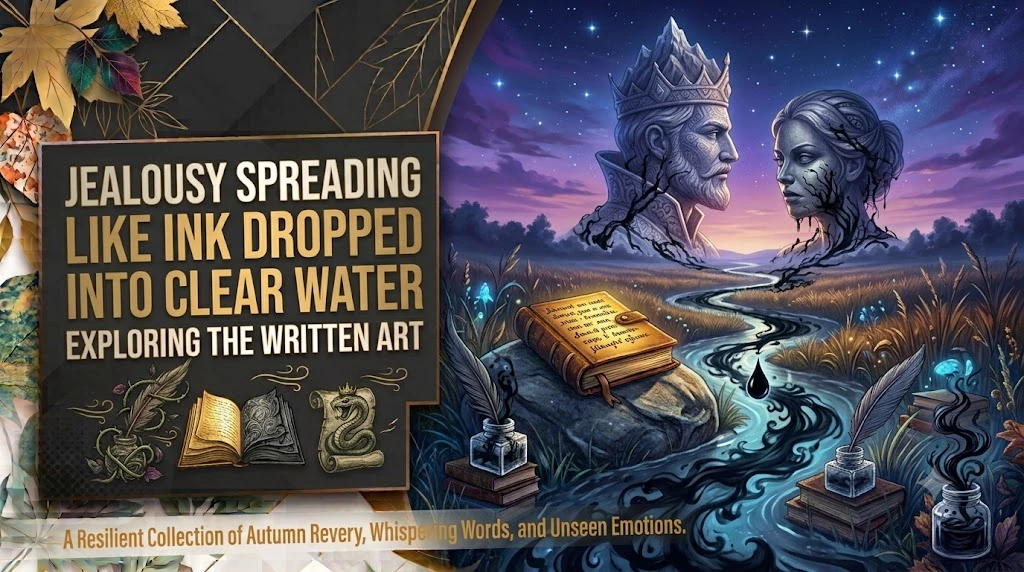
6. Jealousy Spreading Like Ink Dropped into Clear Water
Meaning:
This simile compares jealousy to ink spreading in water. It shows how quickly envy can cloud clear thinking and perception.
Usage Insight:
This comparison works well for internal monologue or introspective writing. It’s especially effective in scenes where a character’s thoughts go from calm to intense quickly.
Example Sentences:
- Jealousy spread through her like ink dropped into clear water, clouding every thought that followed.
- The feeling moved through him like ink dropped into clear water, impossible to separate once it began.
7. Pride Wrapping Around the Heart Like Armor Worn Too Tightly
Meaning:
This simile compares pride as emotional protection to restrictive armor. It shows how self-defense can lead to isolation.
Usage Insight:
This works well in character studies of vulnerability. It shows how a character’s pride can stop them from accepting help or forming connections.
Example Sentences:
- Pride wrapped around his heart like armor worn too tightly, keeping even kindness at a distance.
- Her pride felt like armor worn too tightly, protective but exhausting to carry alone.
8. Envy Gnawing Quietly Like a Rat Behind the Walls
Meaning:
This simile likens persistent jealousy to a hidden, gnawing presence. It suggests discomfort and unease, something that lingers even when we can’t see it.
Usage Insight:
Use this comparison in tense or psychological writing. It works well when showing a character’s hidden struggle with envy that others overlook.
Example Sentences:
- Envy gnawed at him quietly like a rat behind the walls, always present but rarely acknowledged.
- Jealousy worked at her like a rat behind the walls, small yet impossible to fully ignore.
9. Pride Glowing Like a Trophy Polished Too Often
Meaning:
This simile likens excessive pride to a shiny trophy. It highlights how focusing on looks and success can feel empty underneath.
Usage Insight:
This is effective in satirical or reflective writing. It’s great for critiquing image-focused pride and showing the gap between appearance and substance.
Example Sentences:
- His pride glowed like a trophy polished too often, more about appearance than genuine achievement.
- She spoke of her success with a shine like a trophy polished too often, eager for it to be seen.
10. Jealousy Tightening Like a Knot Pulled Too Hard to Loosen
Meaning:
This simile compares growing jealousy to a knot that tightens, showing how envy can trap someone in tough emotions.
Usage Insight:
This comparison is effective in tense scenes, especially when a character’s jealousy starts to impact their relationships or choices.
Example Sentences:
- Jealousy tightened in her chest like a knot pulled too hard to loosen.
- The feeling grew like a knot pulled too hard to loosen, harder to release the longer he held onto it.
11. Pride Standing Like a Wall Built Brick by Brick
Meaning:
This simile likens pride to a solid wall built over time. It hints at protection, distance, and the gradual growth of self-assurance or defensiveness.
Usage Insight:
This fits nicely in relationship-focused fiction. It shows how pride can build emotional barriers between characters over time.
Example Sentences:
- His pride stood like a wall built brick by brick, keeping others from getting too close.
- Years of quiet stubbornness had formed a wall built brick by brick around her heart.
12. Envy Flickering Like a Candle That Refuses to Go Out
Meaning:
This simile compares jealousy to a small flame. It keeps burning, even when people try to put it out. This shows how strong and quietly intense jealousy can be.
Usage Insight:
Use this comparison in introspective writing, especially when showing a character’s struggle with envy or resentment.
Example Sentences:
- Envy flickered in him like a candle that refuses to go out, no matter how hard he tried to ignore it.
- Her jealousy remained like a candle that refuses to go out, small but stubbornly persistent.
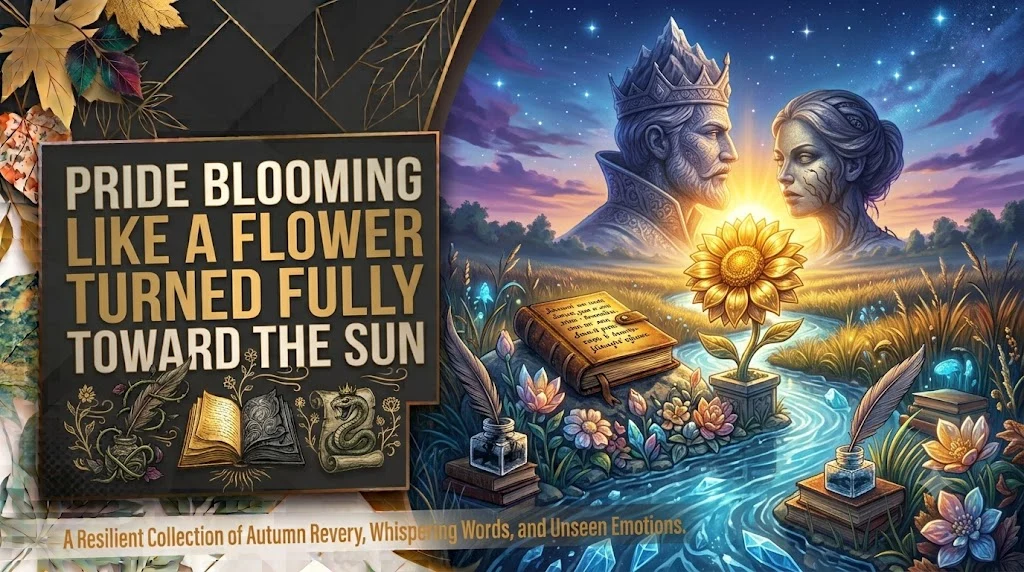
13. Pride Blooming Like a Flower Turned Fully Toward the Sun
Meaning:
This simile compares healthy pride to a flower in sunlight. It suggests warmth, growth, and a positive kind of confidence.
Usage Insight:
This is great for uplifting or motivational writing, especially when showing pride as a positive outcome of hard work and success.
Example Sentences:
- Pride bloomed in her like a flower turned fully toward the sun after months of hard work.
- His confidence grew like a flower turned toward the sun, warm and well-deserved.
14. Jealousy Simmering Like Water Just Before It Boils
Meaning:
This simile compares jealousy to water heating up, showing rising tension and the chance of an emotional outburst.
Usage Insight:
This comparison works well in tense scenes. It’s great for hinting at conflict or a character’s emotional breaking point.
Example Sentences:
- Jealousy simmered in him like water just before it boils, quiet but clearly building.
- Her resentment simmered like water just before it boils, ready to spill over at the smallest provocation.
15. Pride and Jealousy Tangled Together Like Roots Beneath the Same Tree
Meaning:
This simile compares pride and jealousy to intertwined roots. It suggests these emotions often stem from the same source and are hard to separate completely.
Usage Insight:
This is effective in reflective or psychological writing. It shows how pride and jealousy can influence and feed off each other in the same person.
Example Sentences:
- Pride and jealousy tangled together in him like roots beneath the same tree, impossible to fully separate.
- Her emotions felt like roots beneath the same tree, pride and envy growing from the very same insecurity.
How to Use Similes Effectively in Writing
Similes can bring emotional complexity to life, but only when used with intention and emotional honesty. Here are some practical tips for using them across different types of writing.
Poems: Focus on emotional truth rather than dramatic language. A single, well-placed simile often communicates internal conflict more powerfully than several stacked together.
For Stories: Use similes to reveal a character’s inner motivations, especially when pride or jealousy influences their decisions without being stated outright.
Essays: Similes work well in essays exploring human behavior or psychology when they clarify complex emotional patterns, though they should be used with restraint to maintain credibility.
For Songs: Similes in lyrics about pride or jealousy should feel relatable and universal, allowing listeners to see their own experiences reflected in the imagery.
Creative Descriptions: Match your similes to the intensity of the emotion, using softer comparisons for quiet pride or envy and sharper, more urgent imagery for intense emotional conflict.
As a general rule, one meaningful simile will always outshine several ordinary ones. Before including a comparison, ask whether it adds clarity or emotional depth; if it doesn’t, it’s better left out.
FAQs
1. What are the best similes for pride and jealousy?
The best similes for pride and jealousy capture how these emotions build, spread, and affect behavior, such as pride rising like smoke curling upward from a quiet fire or jealousy creeping in like ivy wrapping slowly around a tree. These comparisons help writers express complex inner emotions in a way that feels vivid and relatable.
2. What is the difference between a simile and a metaphor?
A simile compares two things using “like” or “as,” such as “jealousy spread like ink,” while a metaphor states that one thing is another without comparison words, such as “jealousy was ink spreading through her thoughts.” Both add imagery to writing, but similes tend to feel slightly more explicit in their comparison.
3. Why are similes useful when writing about emotions like pride and jealousy?
Similes help writers express internal, often invisible emotions by connecting them to familiar physical images and experiences. This makes complex feelings like pride and jealousy easier for readers to visualize, understand, and emotionally connect with.
4. Can similes be used in academic or psychological writing?
Yes, similes can be used in academic writing, particularly in psychology-adjacent or reflective essays, when they help clarify complex emotional patterns. In formal writing, similes work best when they support understanding rather than serve only as stylistic decoration.
5. How do I create my own original similes for pride and jealousy?
Start by reflecting on a specific memory or moment tied to the emotion, then consider what everyday object, action, or image captures that same intensity or feeling. The most effective similes usually come from honest personal observation rather than familiar or overused comparisons.
Conclusion
Pride and jealousy are deeply human emotions, capable of building people up and quietly wearing them down, often at the very same time. These best similes for pride and jealousy do more than simply describe a feeling; they add clarity, imagery, and emotional depth that plain description often cannot achieve alone. Whether you’re writing a poem about quiet envy, a story exploring a character’s inner conflict, or a reflective essay on human nature, the right simile can turn an abstract emotion into something readers genuinely recognize in themselves. Like roots beneath the same tree, pride and jealousy often grow from shared soil, reminding us that understanding one can help us better understand the other. Keep observing the quiet emotional shifts in the world around you, and let your comparisons capture the honest, tangled nature of what it means to feel deeply human.