
Silence is one of the most powerful experiences in life, yet it can be surprisingly difficult to describe with ordinary words. This is where similes become incredibly useful. Similes compare two different things using the words “like” or “as,” helping readers visualize emotions, scenes, and experiences more clearly.
They are an essential part of figurative language because they make writing more vivid, memorable, and emotionally engaging. Whether used in poetry, fiction, essays, or speeches, similes help transform abstract ideas into images readers can instantly understand. Nature often provides some of the most beautiful comparisons, making nature similes especially effective when describing silence.
Trees, in particular, are powerful symbols of strength, growth, resilience, wisdom, and human emotion, standing quietly through changing seasons while witnessing the passage of time. In this guide, you’ll discover creative similes for silence, complete with meanings, usage insights, and examples that will enrich your writing and help you capture the beauty of quiet moments.
What Is a Simile?
A simile is a figure of speech that compares two unlike things using the words “like” or “as.” Writers use similes to create vivid imagery and make descriptions easier to understand.
Example:
The room was as silent as freshly fallen snow.
This simile helps readers imagine a deep, peaceful quietness through a familiar image from nature.
As Silent as Freshly Fallen Snow
Meaning
Describes complete stillness and tranquility.
Usage Insight
Perfect for peaceful settings and calm moments.
Examples
- The village was as silent as freshly fallen snow after midnight.
- The library felt as silent as freshly fallen snow.
Like a Forest Holding Its Breath
Meaning
Represents anticipation and deep quiet.
Usage Insight
Works well in suspenseful or reflective scenes.
Examples
- The crowd became like a forest holding its breath before the announcement.
- The valley stood like a forest holding its breath.
As Silent as a Moonlit Lake
Meaning
Suggests calmness and serenity.
Usage Insight
Ideal for poetic and nature-inspired writing.
Examples
- The evening was as silent as a moonlit lake.
- Her thoughts drifted through a night as silent as a moonlit lake.
Like Mist Floating Across a Meadow
Meaning
Represents gentle, almost unnoticed silence.
Usage Insight
Useful for soft and atmospheric descriptions.
Examples
- Silence settled over the room like mist floating across a meadow.
- The morning arrived like mist floating across a meadow.
As Silent as an Ancient Oak at Dawn
Meaning
Suggests wisdom, patience, and enduring stillness.
Usage Insight
Excellent for reflective and literary writing.
Examples
- He stood as silent as an ancient oak at dawn.
- The old church remained as silent as an ancient oak at dawn.
Like Stars Watching from the Night Sky

Meaning
Describes quiet observation and peaceful stillness.
Usage Insight
Perfect for emotional or contemplative scenes.
Examples
- They sat together like stars watching from the night sky.
- The audience listened like stars watching from the night sky.
As Silent as a Feather Resting on Water
Meaning
Represents delicate and complete quietness.
Usage Insight
Ideal for subtle descriptions.
Examples
- The room became as silent as a feather resting on water.
- Her footsteps were as silent as a feather resting on water.
Like a Hidden Valley Before Sunrise
Meaning
Suggests untouched peace and calm.
Usage Insight
Useful for creating vivid nature imagery.
Examples
- The campsite felt like a hidden valley before sunrise.
- The town rested like a hidden valley before sunrise.
As Silent as Winter Branches Beneath the Snow
Meaning
Describes deep, natural stillness.
Usage Insight
Works beautifully in seasonal writing.
Examples
- The woods were as silent as winter branches beneath the snow.
- The garden remained as silent as winter branches beneath the snow.
Like a Page Waiting for Its First Word
Meaning
Represents silence filled with possibility.
Usage Insight
Examples
- The classroom sat like a page waiting for its first word.
- The stage felt like a page waiting for its first word.
As Silent as Shadows at Twilight
Meaning
Suggests quiet movement and mystery.
Usage Insight
Excellent for dramatic scenes.
Examples
- They moved as silent as shadows at twilight.
- The cat slipped through the garden as silent as shadows at twilight.
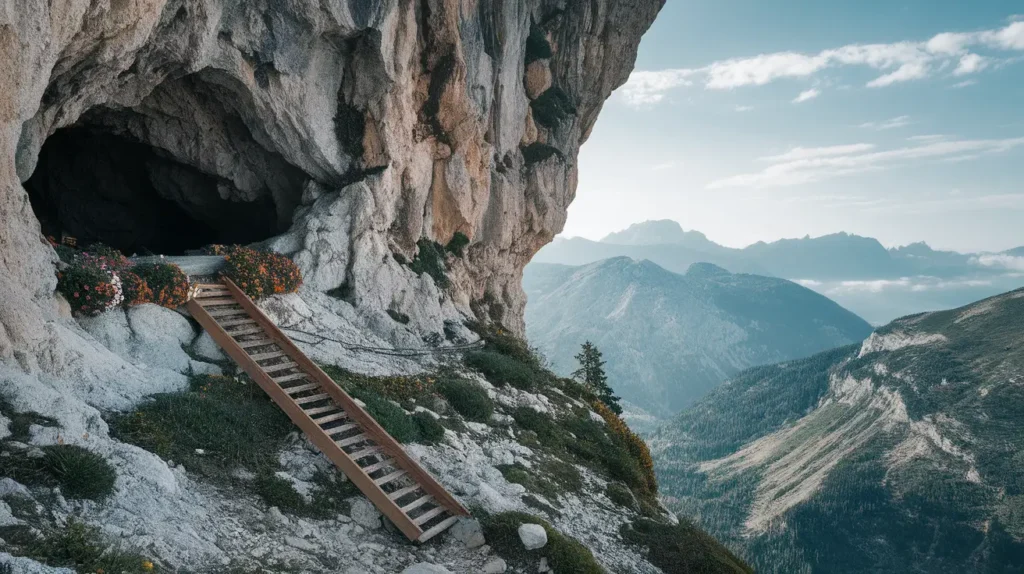
Like a Cave Hidden Beneath the Mountains
Meaning
Represents profound and undisturbed silence.
Usage Insight
Ideal for describing isolation and stillness.
Examples
- The chamber felt like a cave hidden beneath the mountains.
- His study remained like a cave hidden beneath the mountains.
As Silent as Dew on Morning Grass
Meaning
Suggests gentle, peaceful quietness.
Usage Insight
Useful for soft and calming imagery.
Examples
- The dawn arrived as silent as dew on morning grass.
- Her presence was as silent as dew on morning grass.
Like Clouds Drifting Across a Clear Sky
Meaning
Represents smooth, effortless silence.
Usage Insight
Works well in reflective and poetic writing.
Examples
- Time passed like clouds drifting across a clear sky.
- Their quiet understanding felt like clouds drifting across a clear sky.
As Silent as the Space Between Heartbeats
Meaning
Describes an intense and meaningful silence.
Usage Insight
Perfect for emotional and dramatic moments.
Examples
- The room was as silent as the space between heartbeats.
- After the announcement, everyone became as silent as the space between heartbeats.
How to Use Similes Effectively in Writing
Similes can make descriptions of silence more vivid and emotionally powerful when used carefully.
- Choose comparisons that fit the mood of your writing.
- Use nature similes to create strong sensory imagery.
- Avoid overusing similes in every paragraph.
- Create original comparisons rather than relying on clichés.
- Match the simile to the emotion you want to convey.
- In poems, similes can create atmosphere and symbolism.
- In stories, they help build mood and tension.
- In essays, use similes to clarify abstract ideas.
- In songs, similes can add emotional resonance.
- Always ensure the comparison strengthens your message.
FAQs
What are similes for silence?
Similes for silence are comparisons that use “like” or “as” to describe quietness, stillness, calmness, or the absence of sound.
What is an example of a simile for silence?
A common example is: “The room was as silent as freshly fallen snow.”
What is the difference between a simile and a metaphor?
A simile compares two things using “like” or “as,” while a metaphor makes a direct comparison without those words.
Why are similes important in creative writing?
Similes help create vivid imagery, strengthen emotional impact, and make descriptions easier for readers to visualize.
Can similes be used in academic writing?
Yes. Similes can be used carefully in academic writing to explain ideas and improve understanding when appropriate.
Conclusion
Similes for silence are powerful tools that help writers capture the beauty, mystery, and emotional depth of quiet moments. Whether silence is described as silent as freshly fallen snow, like a forest holding its breath, or as silent as the space between heartbeats, these comparisons bring stillness to life through vivid imagery. By using thoughtful and creative similes, writers can add clarity, atmosphere, and emotional resonance to poems, stories, essays, songs, and everyday communication. The best similes for silence transform an invisible experience into something readers can see, feel, and understand. Keep exploring new comparisons, and you’ll discover countless ways to express the remarkable power of silence through language.