

Pain is a universal human experience that can be physical, emotional, or psychological. Yet, despite how common it is, pain can often be difficult to describe with ordinary words. This is where similes become valuable tools for writers and speakers. Similes compare two unlike things using the words “like” or “as,” helping readers understand emotions and sensations through vivid imagery.
They are an essential part of figurative language because they make writing more expressive, relatable, and memorable. From poetry and novels to essays and songs, similes help transform invisible feelings into experiences readers can clearly imagine. Nature often provides powerful comparisons for pain, including storms, thorns, fire, and broken branches.
Trees, in particular, symbolize strength, growth, resilience, wisdom, and human emotion, reminding us that even after damage and hardship, growth and healing remain possible. In this guide, you’ll discover creative similes for pain, complete with meanings, examples, and practical writing tips that will enrich your storytelling and descriptive writing.
What Is a Simile?
A simile is a figure of speech that compares two different things using the words “like” or “as.” Similes help readers understand complex feelings, ideas, and experiences by connecting them to familiar images.
Example:
The grief felt like a thorn lodged deep in his heart.
This simile helps readers visualize emotional pain through a concrete and relatable image.
As Painful as Walking on Broken Glass
Meaning
Describes intense physical or emotional suffering.
Usage Insight
Perfect for emphasizing severe discomfort or heartbreak.
Examples
- Losing her closest friend was as painful as walking on broken glass.
- Every step felt as painful as walking on broken glass after the injury.
Like a Thorn Buried Beneath the Skin
Meaning
Represents lingering pain that refuses to disappear.
Usage Insight
Useful for describing unresolved emotional wounds.
Examples
- The memory remained like a thorn buried beneath the skin.
- His regret lingered like a thorn buried beneath the skin.
As Sharp as Lightning Striking a Tree
Meaning
Describes sudden and intense pain.
Usage Insight
Ideal for unexpected emotional or physical pain.
Examples
- The news hit her as sharp as lightning striking a tree.
- The cramp arrived as sharp as lightning striking a tree.
Like a Storm Tearing Through a Forest
Meaning
Represents overwhelming and destructive pain.
Usage Insight
Excellent for dramatic writing.
Examples
- Grief swept through him like a storm tearing through a forest.
- The tragedy felt like a storm tearing through a forest.
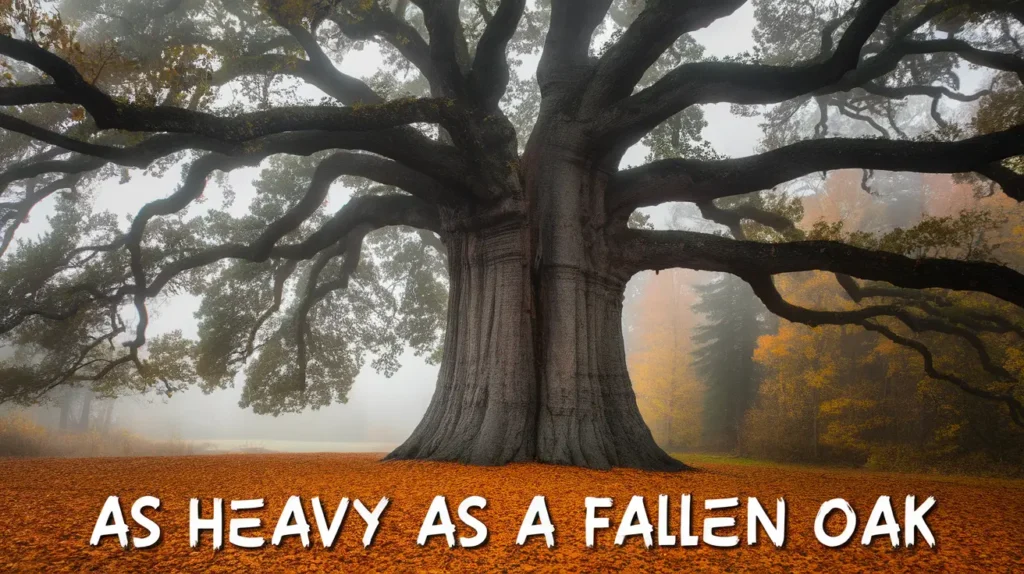
As Heavy as a Fallen Oak
Meaning
Describes emotional pain that feels crushing.
Usage Insight
Perfect for portraying sorrow and burden.
Examples
- His sadness was as heavy as a fallen oak.
- The responsibility felt as heavy as a fallen oak.
Like Fire Running Through Dry Grass
Meaning
Represents pain that spreads quickly and intensely.
Usage Insight
Useful for describing escalating emotions.
Examples
- Jealousy burned like fire running through dry grass.
- The injury stung like fire running through dry grass.
As Cold as Winter Without Sunshine
Meaning
Suggests loneliness and emotional emptiness.
Usage Insight
Ideal for describing heartbreak and isolation.
Examples
- Life felt as cold as winter without sunshine after the loss.
- Her absence left the house as cold as winter without sunshine.
Like Waves Crashing Against a Rocky Shore
Meaning
Represents recurring pain that comes in cycles.
Usage Insight
Works well for ongoing emotional struggles.
Examples
- The memories returned like waves crashing against a rocky shore.
- His anxiety hit him like waves crashing against a rocky shore.
As Deep as a Canyon Carved by Time
Meaning
Describes profound and lasting pain.
Usage Insight
Perfect for emotional and reflective writing.
Examples
- Her heartbreak was as deep as a canyon carved by time.
- The disappointment felt as deep as a canyon carved by time.
Like an Echo in an Empty Valley
Meaning
Represents pain that continues to linger.
Usage Insight
Useful for describing lasting emotional impact.
Examples
- The loss remained like an echo in an empty valley.
- His words hurt like an echo in an empty valley.
As Relentless as Rain During a Storm
Meaning
Describes pain that feels constant and unavoidable.
Usage Insight
Excellent for portraying ongoing suffering.
Examples
- The headaches were as relentless as rain during a storm.
- Her worries felt as relentless as rain during a storm.
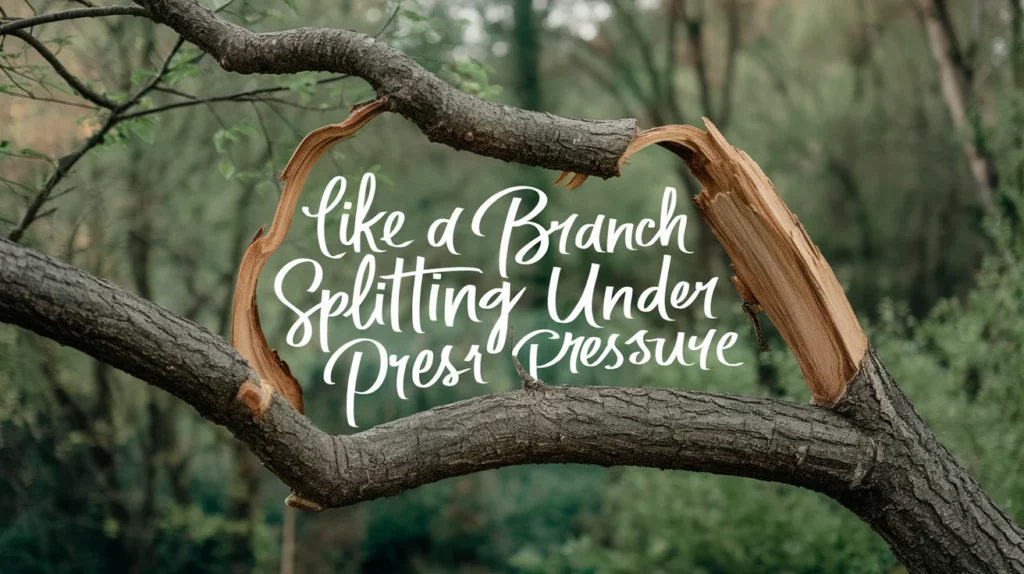
Like a Branch Splitting Under Pressure
Meaning
Represents emotional breaking points.
Usage Insight
Ideal for moments of vulnerability.
Examples
- He felt like a branch splitting under pressure.
- The stress built until she felt like a branch splitting under pressure.
As Burning as Embers Beneath Ashes
Suggests hidden pain that still hurts.
Meaning
Usage Insight
Useful for subtle emotional descriptions.
Examples
- His resentment remained as burning as embers beneath ashes.
- The betrayal felt as burning as embers beneath ashes.
Like a River Cutting Through Stone
Meaning
Represents slow but persistent pain.
Usage Insight
Perfect for long-term emotional struggles.
Examples
- Grief worked through him like a river cutting through stone.
- The disappointment wore her down like a river cutting through stone.
As Fragile as a Leaf After a Storm
Meaning
Describes the emotional aftermath of pain.
Usage Insight
Ideal for recovery and healing themes.
Examples
- She felt as fragile as a leaf after a storm.
- The child appeared as fragile as a leaf after a storm.
How to Use Similes Effectively in Writing
Similes can make descriptions of pain more vivid, relatable, and emotionally impactful.
- Choose comparisons that match the intensity of the pain.
- Use nature similes to create memorable imagery.
- Avoid overusing the same comparison repeatedly.
- Make sure the simile supports the mood of your writing.
- Create original comparisons whenever possible.
- In poems, similes can deepen emotional expression.
- In stories, they help readers connect with characters.
- In essays, similes can clarify abstract emotions.
- In songs, similes make lyrics more powerful and relatable.
- Always ensure the comparison enhances understanding.
FAQs
What are similes for pain?
Similes for pain are comparisons that use “like” or “as” to describe physical discomfort, emotional suffering, heartbreak, or distress.
What is an example of a simile for pain?
An example is: “The grief felt like a thorn lodged deep in his heart.”
What is the difference between a simile and a metaphor?
A simile compares two things using “like” or “as,” while a metaphor makes a direct comparison without those words.
Why are similes important in creative writing?
Similes create vivid imagery, help readers understand emotions, and make writing more engaging.
Can similes be used in academic writing?
Yes. Similes can be used carefully to explain complex ideas and improve clarity when appropriate.
Conclusion
Similes for pain are powerful figurative language examples that help writers transform difficult emotions and sensations into vivid, understandable imagery. Whether pain is described as painful as walking on broken glass, like a thorn buried beneath the skin, or as deep as a canyon carved by time, these comparisons help readers connect with experiences on a deeper level. By using thoughtful and creative similes, writers can add clarity, emotion, and depth to poems, stories, essays, songs, and personal reflections. The best similes for pain do more than describe suffering—they reveal resilience, growth, and the human capacity to heal. Keep exploring new comparisons, and you’ll discover countless ways to express life’s most challenging emotions through powerful and memorable language.