
Easter is a season of soft light, new blossoms, and the quiet feeling that the world is starting over again. To capture that feeling in words, writers often reach for similes, one of the most effective tools in figurative language. A simile is a comparison between two unlike things, usually joined by “like” or “as,” that helps readers see, feel, and imagine an idea more vividly.
Similes matter because they turn abstract emotions, such as hope or renewal, into images the mind can actually picture and hold onto. Trees play a special role in this kind of writing, since they have long stood as symbols of strength, growth, resilience, wisdom, and deep human emotion.
In spring, when bare branches begin budding again after a long winter, trees become living proof that endings can lead to new beginnings. This mirrors the heart of Easter itself, a season built around rebirth, second chances, and quiet transformation. In this article, you’ll find fifteen original, nature-inspired similes for Easter, each crafted to help your writing feel more vivid, emotional, and true to life.
What Is a Simile?
A simile is a figure of speech that compares two different things using the words “like” or “as” to highlight a shared quality between them. Similes in literature help writers create clearer, more memorable imagery by connecting an idea to something familiar and easy to picture.
For example:
saying “the morning felt like a fresh page waiting to be written on” instantly conveys hope, possibility, and a sense of new beginnings without needing further explanation. This is the core purpose of figurative language: expressing more meaning and emotion through fewer, more carefully chosen words.
1. Blossoms Opening Like Tiny Hands Reaching for the Sun
Meaning:
This simile compares spring blossoms unfurling to small hands stretching upward, suggesting eagerness, hope, and a natural pull toward light and life.
Usage Insight:
This comparison works well in descriptions of new beginnings or awakening emotions, making it ideal for poetry, children’s stories, or reflective passages about growth and optimism.
Example Sentences:
- Along the garden path, the cherry blossoms opened like tiny hands reaching for the sun.
- After the long winter, the buds unfurled like tiny hands reaching for warmth they had almost forgotten.
2. Morning Light Spilling Like Golden Honey Over the Fields
Meaning:
This simile compares soft, early spring sunlight to honey pouring slowly, emphasizing warmth, richness, and a gentle, comforting glow.
Usage Insight:
This works beautifully in descriptive scene-setting, especially in the opening lines of a story or poem where you want to establish a peaceful, hopeful tone.
Example Sentences:
- Morning light spilled like golden honey over the fields, waking the earth from its winter sleep.
- Through the kitchen window, sunlight poured like golden honey across the table.
3. New Leaves Trembling Like Nervous First Steps
Meaning:
This simile compares young, delicate spring leaves to the uncertain, wobbly steps of someone trying something new, suggesting fragility mixed with courage.
Usage Insight:
Use this comparison when writing about beginnings that feel uncertain but promising, such as new relationships, fresh starts, or personal growth in coming-of-age narratives.
Example Sentences:
- The new leaves trembled like nervous first steps in the cool morning breeze.
- Every branch held tiny leaves that quivered like nervous first steps, unsure yet unstoppable.
4. The Orchard Waking Up Like a Sleeper Stretching After a Long Rest
Meaning:
This simile compares an orchard coming back to life in spring to a person slowly stretching after deep sleep, suggesting renewal, ease, and gradual awakening.
Usage Insight:
This works well in slow, reflective passages about seasonal change, particularly in nature writing or memoirs that explore themes of rest and revival.
Example Sentences:
- The orchard seemed to wake up like a sleeper stretching after a long rest, branch by branch.
- After months of stillness, the trees stirred like a sleeper stretching after a long rest.
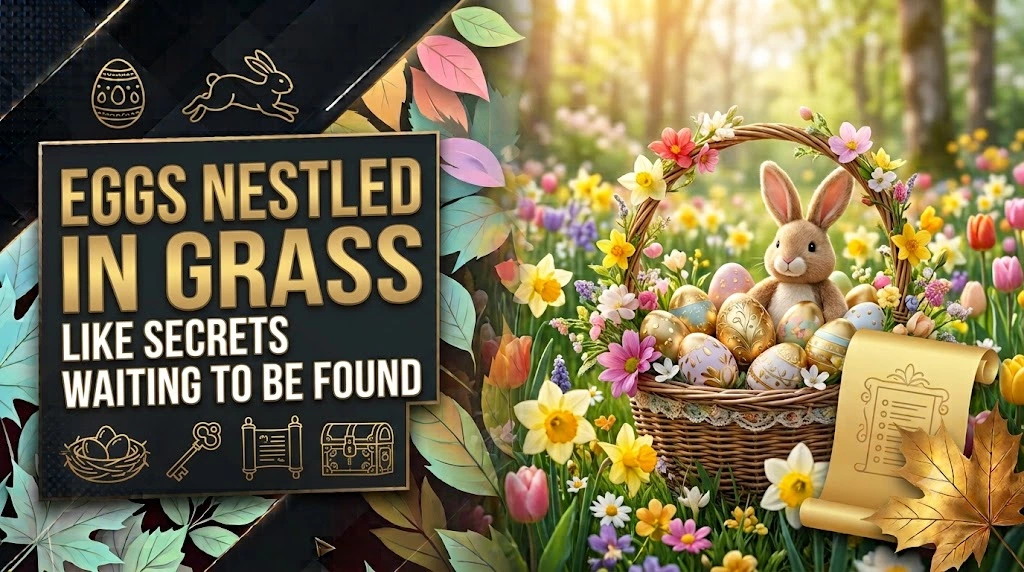
5. Eggs Nestled in Grass Like Secrets Waiting to Be Found
Meaning:
This simile compares Easter eggs hidden among grass to closely guarded secrets, suggesting mystery, anticipation, and quiet delight.
Usage Insight:
This comparison adds playfulness and charm, making it especially effective in children’s writing, festive blog posts, or lighthearted storytelling around Easter traditions.
Example Sentences:
- The eggs were nestled in the grass like secrets waiting to be found by eager little hands.
- Hidden behind flowerpots and under bushes, the eggs sat like secrets waiting to be found.
6. Rain Washing the Earth Like a Gentle Apology
Meaning:
This simile compares spring rain to a soft, sincere apology, suggesting cleansing, healing, and quiet restoration after a difficult period.
Usage Insight:
This works well in emotionally reflective writing, particularly when describing forgiveness, healing, or letting go, and suits both poetry and personal essays.
Example Sentences:
- The rain washed the earth like a gentle apology, softening everything it touched.
- After the storm passed, the drizzle fell like a gentle apology over the quiet fields.
7. Bare Branches Filling Out Like a Story Finding Its Words
Meaning:
This simile compares trees regaining their leaves to a story slowly coming together, suggesting growth, development, and the satisfaction of things falling into place.
Usage Insight:
Use this comparison when writing about progress or creative development, especially in essays or narratives that explore the process of building something meaningful over time.
Example Sentences:
- Week by week, the branches filled out like a story finding its words.
- The once-bare trees grew fuller, filling in like a story finding its words after a slow start.
8. Tulips Standing Like Quiet Sentinels Along the Path
Meaning:
This simile compares upright tulips to watchful guards, suggesting order, dignity, and a calm, protective presence.
Usage Insight:
This works nicely in descriptive garden or landscape writing, particularly when you want to add a sense of structure and grace to a scene.
Example Sentences:
- Rows of tulips stood like quiet sentinels along the garden path, welcoming every visitor.
- The bright blooms lined the driveway like quiet sentinels, still and dignified in the breeze.
9. Children’s Laughter Rising Like Bells on the Wind
Meaning:
This simile compares the sound of children laughing during Easter celebrations to ringing bells, suggesting joy, clarity, and a sense of celebration carried through the air.
Usage Insight:
This comparison works well in festive or nostalgic scenes, especially in family-centered stories or memoirs recalling childhood holidays.
Example Sentences:
- Laughter rose like bells on the wind as the children searched the garden for hidden eggs.
- Their voices carried across the yard like bells on the wind, bright and full of joy.
10. Sunlight Breaking Through Clouds Like a Promise Finally Kept
Meaning:
This simile compares sunlight emerging after cloudy skies to a long-awaited promise being fulfilled, suggesting relief, hope, and reward after patience.
Usage Insight:
This works well in emotionally uplifting passages, particularly at turning points in a story where hope is restored after a difficult period.
Example Sentences:
- By midday, the sun broke through the clouds like a promise finally kept.
- After weeks of grey skies, the light returned like a promise finally kept to everyone waiting for spring.
11. Daffodils Nodding Like Old Friends Greeting Each Other
Meaning:
This simile compares daffodils swaying gently in the wind to friends exchanging a familiar greeting, suggesting warmth, community, and comfort.
Usage Insight:
This comparison adds a friendly, gentle tone to descriptive writing, making it especially effective in cozy, community-focused narratives or seasonal blog content.
Example Sentences:
- The daffodils nodded like old friends greeting each other across the fence.
- Along the roadside, clusters of daffodils swayed like old friends catching up after a long winter apart.
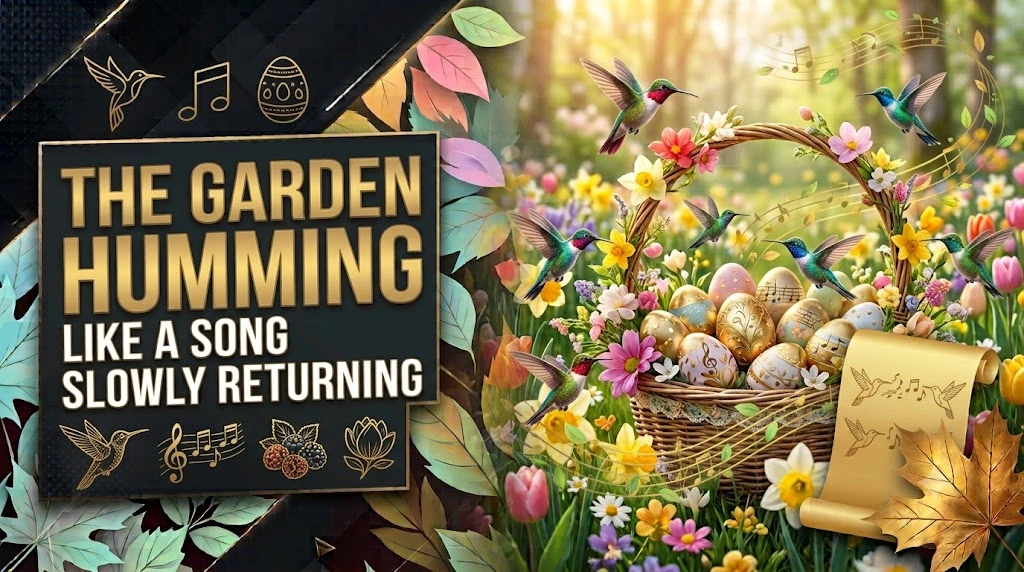
12. The Garden Humming Like a Song Slowly Returning
Meaning:
This simile compares a garden coming back to life with bees, birds, and rustling leaves to a familiar tune gradually being remembered, suggesting revival and quiet joy.
Usage Insight:
This works beautifully in atmospheric or sensory-rich passages, particularly in nature writing where sound plays as important a role as sight.
Example Sentences:
- By April, the garden hummed like a song slowly returning after a long silence.
- The buzzing bees and rustling leaves made the yard feel like a song slowly returning to life.
13. Soft Winds Moving Like a Hand Smoothing Out Wrinkles
Meaning:
This simile compares a gentle spring breeze to a soothing hand, suggesting calm, care, and the smoothing away of tension or hardship.
Usage Insight:
Use this comparison in quiet, reflective moments, particularly when a character or scene needs a sense of relief or emotional ease after tension.
Example Sentences:
- A soft wind moved through the meadow like a hand smoothing out wrinkles in a tablecloth.
- The breeze drifted over the hills like a hand smoothing out wrinkles left by the winter cold.
14. New Grass Spreading Like a Green Carpet Rolled Out for Spring
Meaning:
This simile compares fresh spring grass covering the ground to a carpet being unrolled, suggesting welcome, celebration, and a fresh start.
Usage Insight:
This works well in descriptive scene-setting, particularly for outdoor gatherings, celebrations, or the opening scenes of spring-themed stories.
Example Sentences:
- New grass spread across the yard like a green carpet rolled out for spring.
- Beneath the apple trees, the lawn looked like a green carpet rolled out just for the occasion.
15. The Family Gathering Like Scattered Threads Woven Back Together
Meaning:
This simile compares relatives reuniting for Easter to separate threads being rewoven into one piece, suggesting connection, wholeness, and belonging.
Usage Insight:
This comparison works well in emotionally resonant conclusions or family-centered narratives, especially when highlighting reunion after distance or time apart.
Example Sentences:
- Around the table, the family gathered like scattered threads woven back together.
- After years apart, the siblings came together like scattered threads finally woven back into one piece.
How to Use Similes Effectively in Writing
Similes can transform ordinary writing into something memorable, but only when used thoughtfully and with purpose. Here are some practical tips for using them across different types of writing.
Poems: Prioritize emotional truth and sensory detail over cleverness. A single, well-placed simile often creates more impact than several crowded into one stanza.
For Stories: Use similes to reveal a character’s inner world or set the emotional tone of a scene, rather than relying on them purely for physical description.
Essays: Similes work best in essays when they simplify a complex idea by linking it to something familiar. Keep them purposeful, since academic and semi-formal writing rewards clarity over decoration.
For Songs: Similes in lyrics should feel natural to sing and instantly understandable, often built around universal images that listeners connect with immediately.
Creative Descriptions: Match your similes to the mood of the scene. Bright, playful comparisons suit joyful moments, while softer, more delicate similes suit tender or reflective ones.
As a general guideline, one meaningful simile will always outshine several ordinary ones. Before including a comparison, ask whether it adds clarity or emotional depth; if it doesn’t, it’s better to leave it out.
FAQs
1. What are the best similes for Easter?
The best similes for Easter capture the season’s themes of renewal, hope, and celebration, such as blossoms opening like tiny hands reaching for the sun or sunlight breaking through clouds like a promise finally kept. These comparisons help writers express the emotional warmth of spring and new beginnings in a vivid, relatable way.
2. What is the difference between a simile and a metaphor?
A simile compares two things using “like” or “as,” such as “the morning felt like a fresh start,” while a metaphor states one thing is another without comparison words, such as “the morning was a fresh start.” Both add imagery to writing, but similes tend to feel slightly more explicit and gentle in their comparison.
3. Why are similes important in nature writing?
Similes make nature writing more vivid by linking natural details, such as blossoms, light, or wind, to familiar human experiences and emotions. This helps readers form a clearer mental picture and feel a stronger emotional connection to the scene being described.
4. Can similes be used in academic writing?
Yes, similes can be used in academic writing when they help clarify a complicated idea, though they should be used sparingly and with clear purpose. In formal writing, similes work best when they support understanding rather than serve only as decoration.
5. How do I create my own original similes for Easter?
Start by closely observing a specific spring detail, such as blooming flowers or children’s laughter, then consider what everyday object or feeling it reminds you of. The strongest similes usually come from honest, personal observation rather than familiar or overused comparisons.
Conclusion
Easter brings a season of renewal, warmth, and quiet celebration, and similes offer one of the most effective ways to capture that spirit on the page. These best similes for Easter do more than simply decorate a sentence; they add clarity, imagery, and emotional depth that plain description often cannot achieve alone. Whether you’re writing a poem about blooming gardens, a story about family reunions, or a simple reflection on new beginnings, the right simile can turn a passing observation into something readers genuinely feel. Like trees budding again after winter, the best similes grow from real, patient observation and blossom into language that stays with the reader long after the page is turned. Keep noticing the small, hopeful details of the season, and let your comparisons grow as naturally as spring itself.