

Grief is one of the hardest things to put into words, yet writing about death and loss has always been part of how people process, remember, and heal. Similes offer a gentle way to give shape to feelings that often feel too big for ordinary language. A simile compares two unlike things using “like” or “as.” It helps readers link an abstract emotion to something familiar, making it easier to understand.
Similes are important in figurative language. They take heavy feelings, like loss, and turn them into images that our hearts can grasp and understand. Trees symbolise strength, growth, resilience, wisdom, and deep human feelings. They often represent themes of mortality and renewal. Similes about death are like a tree in autumn. It sheds leaves, but in spring, it grows new ones. This shows that endings and beginnings are closely linked.
Writing about death does not have to feel frightening or heavy; with the right words, it can feel tender, honest, and even comforting. This article offers fifteen unique similes for death. Each one is crafted to help you write about loss with clarity, compassion, and grace.
What Is a Simile?
A simile is a literary device that compares two different things using the words “like” or “as” to highlight a quality they share. Similes in literature allow writers to share tough or abstract feelings. They do this by linking those feelings to something clear and familiar.
For example:
The phrase “grief settled over her like a heavy fog that wouldn’t lift” clearly conveys a sense of heaviness, confusion, and lasting sorrow. Figurative language captures deep emotions and meanings through vivid comparisons.
1. Death Arriving Like a Tide That Cannot Be Turned Back
Meaning:
This simile likens death to an incoming tide. It shows that death is inevitable, follows a natural rhythm, and is beyond our control.
Usage Insight:
This is effective in reflective or philosophical writing about mortality. It suits essays or literary fiction that explore acceptance and life’s natural order.
Example Sentences:
- Death arrived like a tide that cannot be turned back, quiet yet impossible to stop.
- She had always known it was coming, the way one knows the tide will rise, slow and certain.
2. Grief Settling Like Dust on Every Surface of the House
Meaning:
This simile likens grief to fine dust. It shows how loss subtly affects every part of daily life, even in small, overlooked places.
Usage Insight:
This comparison works well in personal essays or memoirs about mourning. It shows how grief can linger long after a loss.
Example Sentences:
- Grief settled like dust on every surface of the house, impossible to clean away completely.
- Weeks later, sorrow still lingered like dust on every surface, no matter how often she tried to sweep it aside.
3. A Life Ending Like a Candle Flame Bowing Gently Out
Meaning:
This simile likens death to a candle flame gently extinguishing. It suggests peace, gentleness, and a calm, natural end.
Usage Insight:
This works well in eulogies or tributes. It’s great for describing a peaceful passing or honouring someone who lived with grace.
Example Sentences:
- His life ended like a candle flame bowing gently out, calm and without struggle.
- In her final moments, she seemed to fade like a candle flame bowing gently out into the dark.
4. Memories Returning Like Waves That Never Truly Leave the Shore
Meaning:
This simile compares memories of a loved one to waves that keep coming back. It shows that grief and remembrance are ongoing, not something that just stops.
Usage Insight:
Consider this comparison in reflective writing on remembrance. It works well in memoirs or poetry that delve into the long-lasting nature of mourning.
Example Sentences:
- Memories of her returned like waves that never truly leave the shore, gentle but constant.
- Even years later, thoughts of him arrived like waves that never truly leave the shore, softened but never gone.
5. Loss Sitting in the Chest Like a Stone Too Heavy to Lift

Meaning:
This simile likens grief to a heavy stone. It shows how loss can be a tiring burden on both body and mind.
Usage Insight:
This is effective in emotional writing, especially in personal essays or fiction that reflects the early, intense stages of grief.
Example Sentences:
- Loss sat in his chest like a stone too heavy to lift, pressing down with every breath.
- For weeks, sorrow rested there like a stone too heavy to lift, making even small tasks feel impossible.
6. Death Coming Like Winter After a Long, Golden Autumn
Meaning:
This simile compares death to winter arriving after a bright, full life. It suggests a natural flow, a sense of completion, and quiet acceptance.
Usage Insight:
This comparison suits writing about long, fulfilling lives, particularly in tributes or reflective essays honoring an elder or loved one who lived fully.
Example Sentences:
- Death came like winter after a long, golden autumn, expected yet still difficult to face.
- His passing felt like winter after a long, golden autumn, a quiet close to a season well lived.
7. Absence Echoing Like a Room Where the Music Has Just Stopped
Meaning:
This simile compares the silence after a death to the quiet when music stops. It suggests emptiness, stillness, and a feeling of loss.
Usage Insight:
This works well in atmospheric or emotionally quiet writing, particularly in fiction or poetry describing the immediate aftermath of a loss.
Example Sentences:
- Her absence echoed like a room where the music has just stopped, sudden and unfamiliar.
- The house felt like a room where the music has just stopped, the silence somehow louder than before.
8. Sorrow Rolling In Like Fog That Blurs the Edges of the Day
Meaning:
This simile likens grief to a thick fog. It shows confusion and disorientation. Sorrow can make even familiar routines seem unclear.
Usage Insight:
Use this comparison when writing about the early stages of grief. It’s really useful in personal essays or stories that express emotional confusion.
Example Sentences:
- Sorrow rolled in like fog that blurs the edges of the day, making everything feel distant.
- In those first weeks, grief moved like fog that blurs the edges of the day, softening every hour into the next.
9. A Passing Spirit Rising Like Smoke Curling Toward an Open Sky
Meaning:
This simile compares the soul leaving at death to smoke rising. It suggests release, freedom, and a smooth transition beyond the physical world.
Usage Insight:
This works well in spiritual or reflective writing about death. It’s especially effective in poetry or eulogies that have a hopeful, uplifting tone.
Example Sentences:
- Her spirit seemed to rise like smoke curling toward an open sky, light and unburdened at last.
- In that quiet moment, it felt as though he had risen like smoke curling toward an open sky.
10. Grief Arriving in Waves Like a Storm That Comes and Goes Without Warning
Meaning:
This simile likens grief to a passing storm. It shows that sorrow isn’t linear; it hits in sudden, intense bursts.
Usage Insight:
This comparison helps when writing about long-term mourning. It’s especially useful in memoirs or essays that discuss grief months or years after a loss.
Example Sentences:
- Grief arrived in waves like a storm that comes and goes without warning, calm one moment and overwhelming the next.
- Even a year later, sadness moved through her like a storm that comes and goes without warning.
11. A Loved One’s Voice Fading Like an Old Song Half-Remembered
Meaning:
This simile compares the fading of a loved one’s voice in memory to a song that’s slowly forgotten. It shows how time can soften grief in a bittersweet way.
Usage Insight:
This suits reflective writing on memory and time, especially in memoirs or poetry that delve into loss and gentle acceptance.
Example Sentences:
- His voice began to fade like an old song half-remembered, familiar yet harder to recall in full.
- Over the years, her laughter became like an old song half-remembered, present in feeling more than in detail.
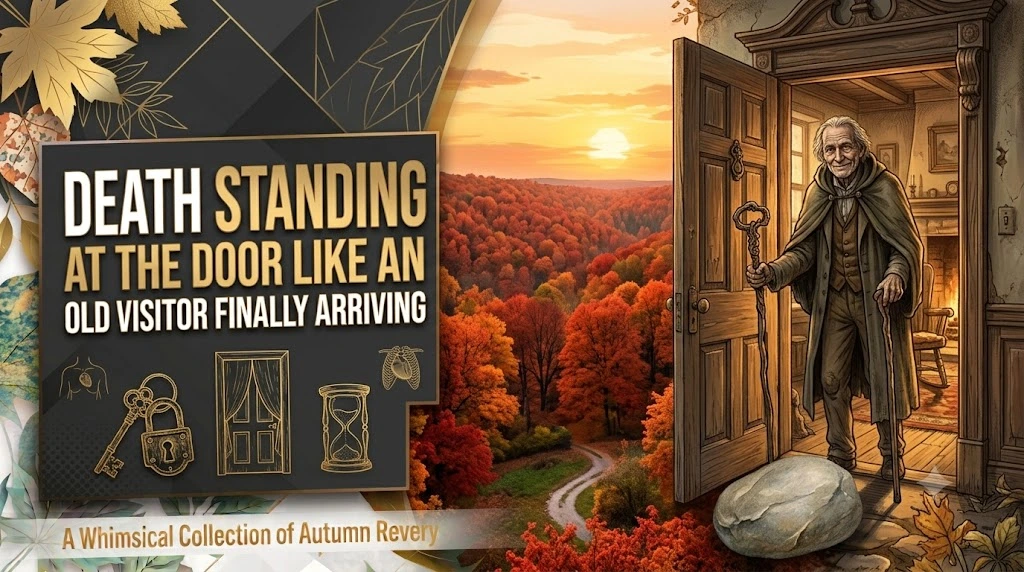
12. Death Standing at the Door Like an Old Visitor Finally Arriving
Meaning:
This simile likens death, especially after a long illness, to a familiar visitor who is expected. It suggests acceptance instead of shock.
Usage Insight:
This comparison works well for writing about expected loss. It’s especially useful in stories or reflective essays about the end of a long illness or the aging process.
Example Sentences:
- Death stood at the door like an old visitor finally arriving, expected after months of waiting.
- When it came, it felt like an old visitor finally arriving, not unwelcome, simply overdue.
13. Comfort Arriving Like Sunlight Through a Crack in Heavy Curtains
Meaning:
This simile likens small moments of comfort in grief to thin beams of sunlight breaking through darkness. It suggests hope, warmth, and gradual healing.
Usage Insight:
In writing that focuses on healing or hope, especially in the later sections of memoirs, essays, or fiction about overcoming grief, use this comparison.
Example Sentences:
- Comfort arrived like sunlight through a crack in heavy curtains, small but enough to notice.
- A kind word from a friend felt like sunlight through a crack in heavy curtains on her hardest days.
14. A Legacy Living On Like Roots Spreading Beneath the Surface
Meaning:
This simile compares a person’s lasting impact to roots that keep growing underground. It suggests that influence and memory stay alive long after someone has died.
Usage Insight:
This works well in tributes or eulogies, especially when honouring someone whose actions, values, or love still influence those they left behind.
Example Sentences:
- Her legacy lived on like roots spreading beneath the surface, quietly nourishing everyone she had touched.
- Though he was gone, his kindness remained like roots spreading beneath the surface, unseen but always present.
15. Peace Arriving at Last Like a Long-Held Breath Finally Released
Meaning:
This simile compares the peace after death, especially following suffering, to a breath held too long being released. It suggests relief, release, and quiet resolution.
Usage Insight:
This comparison is effective for discussing end-of-life peace, especially in reflective essays or fiction about the end of a tough illness.
Example Sentences:
- Peace arrived at last like a long-held breath finally released, easing something in the room itself.
- When she passed, it felt like a long-held breath finally released after months of quiet struggle.
How to Use Similes Effectively in Writing
Writing about death and loss calls for care, and similes can help express deep emotion without overwhelming the reader. Here are some practical tips for using them thoughtfully across different types of writing.
For Poems: Focus on emotional honesty rather than dramatic language. A single, gentle simile often communicates grief more powerfully than several stacked together.
Stories: Use similes to reflect a character’s internal experience of loss, helping readers feel the emotion rather than simply being told about it.
For Essays: Similes work well in personal essays about grief when they clarify complex emotions, but should be used with restraint so the writing still feels sincere and grounded.
Songs: Similes in lyrics about loss should feel simple and universal, allowing listeners to connect the imagery to their own experiences of grief.
For Creative Descriptions: Choose similes that match the emotional stage being described, whether it’s the initial shock of loss, the quiet weight of mourning, or the eventual arrival of peace.
As a general rule, restraint matters most when writing about death. One meaningful, carefully chosen simile will always carry more emotional weight than several used at once.
FAQs
1. What are powerful similes for death?
Powerful similes for death are comparisons that use “like” or “as” to describe loss, grief, or mortality in a way that feels honest and emotionally resonant, such as death arriving like a tide that cannot be turned back or grief settling like dust on every surface of the house. These comparisons help writers express difficult emotions with clarity and compassion.
2. What is the difference between a simile and a metaphor?
A simile compares two things using “like” or “as,” such as “grief felt like a heavy fog,” while a metaphor states that one thing is another without comparison words, such as “grief was a heavy fog.” Both add imagery to writing, but similes tend to feel slightly gentler and more explicit in their comparison.
3. Why are similes helpful when writing about grief?
Similes help writers express complex, often overwhelming emotions by connecting them to familiar images and experiences. This makes writing about grief feel more relatable and easier for readers to process alongside the writer.
4. Can similes be used in eulogies or tributes?
Yes, similes are often used in eulogies and tributes to honor a person’s life with warmth and imagery, particularly when describing their legacy, character, or the peace of their passing. When chosen carefully, they can add comfort and depth without feeling overly dramatic.
5. How do I create my own original similes for death or grief?
Start by reflecting on a specific emotion or memory tied to the loss, then consider what everyday image or feeling captures that same sense of weight, release, or absence. The most meaningful similes usually come from honest personal reflection rather than borrowed or overused phrases.
Conclusion
Writing about death is never easy, but similes offer a gentle, honest way to give shape to grief, memory, and love that continues beyond loss. These powerful similes for death do more than simply describe an ending; they add clarity, imagery, and emotional depth that plain words often cannot reach on their own. Whether you’re writing a eulogy, a personal reflection, or a poem meant to comfort someone in mourning, the right simile can help both the writer and the reader feel less alone in their grief. Like roots that continue spreading beneath the surface long after a tree has fallen, the people we lose remain part of the language we use to remember them. Take your time with these words, and let your own comparisons grow from genuine memory, honest emotion, and love that does not truly end.